

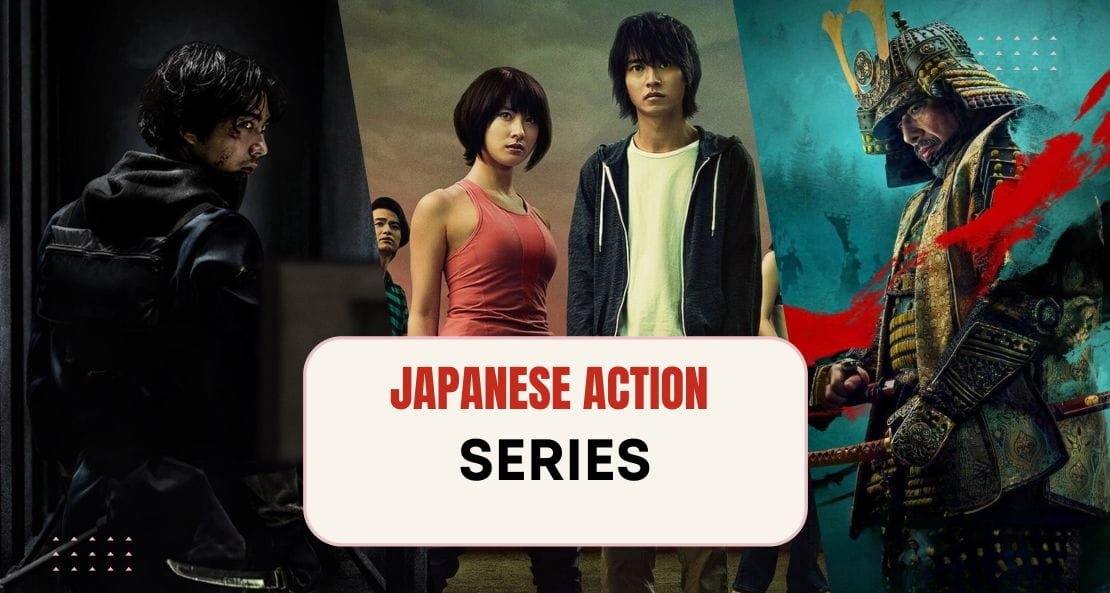
The pause that keeps showing up
You don’t need to memorise every backstory to notice what Japanese action television is doing right now.
Just watch how often someone pauses before a fight begins. Watch what happens after they win. The action still arrives loud and fast. The reactions feel smaller.
Netflix’s House of Ninjas, released worldwide on 15 February 2024, follows a fractured shinobi family struggling to reconnect as much as survive.
With Alice in Borderland’s third season now streaming following its 25 September 2025 release, survival drama still sits at the centre of Japanese action television’s global pull.
But something in the atmosphere feels heavier. Victories don’t quite land like celebrations anymore.
Not safe. Not settled.
Spectacle hasn’t disappeared. It just lingers differently
Japanese action still leans into scale. Shōgun, which premiered on FX and Hulu on 27 February 2024, built its reputation on sweeping political drama and cinematic battle sequences.
The difference isn’t that spectacle vanished. It’s that the moments audiences keep replaying often arrive after the noise fades.
Across fan edits and online discussion, quieter beats keep resurfacing alongside the action itself. The long conversations. The hesitations. The uneasy victories.
Sunday Watch isn’t calling this a reinvention. It feels more like a shift in emphasis. The action remains loud. The pauses carry more weight.
House of Ninjas and the rise of smaller reactions
Take House of Ninjas. The fights arrive quickly, yet the scenes that linger often happen around the dinner table, where the Tawara family struggles to reconnect after years of secrecy.
Those quieter interactions shape how the action feels. The characters hesitate before stepping back into violence, and that hesitation changes the rhythm of the show.
Alice in Borderland and survival without celebration
Then there’s Alice in Borderland. The survival games still push everything to extremes, yet much of the early conversation around the upcoming season leans toward trust rather than strategy. Winning rarely looks clean. Sometimes it barely looks like winning at all.
That emotional exhaustion feels deliberate. And it reflects something bigger happening across global television.
Why Japanese dramas feel different right now
Here’s where the deeper shift starts to show. Global demand for Japanese storytelling has grown sharply in recent years, driven by streaming platforms expanding subtitled drama to wider audiences.
American interest in Japan-focused series has surged, with shows like Shōgun reaching demand levels dozens of times higher than average TV titles during release.
Streaming has changed the way these shows travel. Subscription platforms allow viewers to revisit scenes instantly, which means emotional beats can circulate as widely as action sequences.
Creators seem aware of this. Instead of escalating every fight, many series now let silence sit longer, trusting viewers to notice the small reactions.
That might explain why characters across recent Japanese dramas look less triumphant even when they win.
Sanctuary, The Queen of Villains and performance under pressure
The pattern shows up clearly in Netflix’s Sanctuary, released 4 May 2023. The sumo drama presents physical dominance on the surface, yet much of its tension comes from hierarchy and institutional pressure inside the sport. Victories rarely feel simple.
The Queen of Villains, which premiered globally on Netflix on 19 September 2024, approaches performance from another angle.
The wrestling drama follows real-life heel Dump Matsumoto, showing how confidence can fracture mid-performance. Online edits often freeze on the exact moment the persona slips.
Maybe that’s why the quieter scenes keep resurfacing alongside the fights.
Like a Dragon: Yakuza and loyalty without swagger
Adaptations tied to gaming culture follow a similar path. Amazon Prime Video’s Like a Dragon: Yakuza, which aired from 24 October 2024, still delivers street fights and crime drama, yet loyalty feels heavy instead of heroic.
Fans expected swagger. Instead they found characters carrying obligations that don’t look glamorous.
Here’s the pattern that keeps surfacing. Characters aren’t chasing glory. They’re trying not to lose themselves.
What happens next for Japanese action television
Japanese action television hasn’t stopped loving spectacle. It just keeps interrupting it with doubt.
Streaming audiences pause clips, debate small reactions, and replay moments where someone hesitates rather than strikes.
That shift lines up with a broader rise in global interest in Japanese storytelling, as international demand expands beyond anime into live-action drama.
Maybe that’s the real change hiding in plain sight. Japanese action still runs at full speed, but the scenes that linger happen when nobody speaks, nobody celebrates, and nobody looks entirely sure they’ve actually won.
You might also like:
- Top 10 Best Anime of 2025 (So Far) — UK Watch Guide
- The 20 Best Foreign Horror Movies You Haven’t Watched But Should
- Best TV Shows of 2025: The Year’s Must-Watch Series
- 3 Shows That Broke The Internet Already In 2024
- The Most Anticipated and Must-Watch Horror Movies of 2024
- The Best Movie & TV Songs: Neon Music’s Picks That Made the Scenes Hit Harder