The ways in which music is created and shared have always shifted alongside technological innovation, from multitrack recording to digital audio workstations and online distribution platforms.
Today, generative audio technologies are playing a new role in this evolution, not by replacing human creativity but by expanding the toolkit available to independent artists.
Within this landscape, developments such as ElevenLabs have entered conversations around how independent musicians can prototype ideas, explore sonic possibilities, and collaborate more fluidly without the traditional resources of large studios.
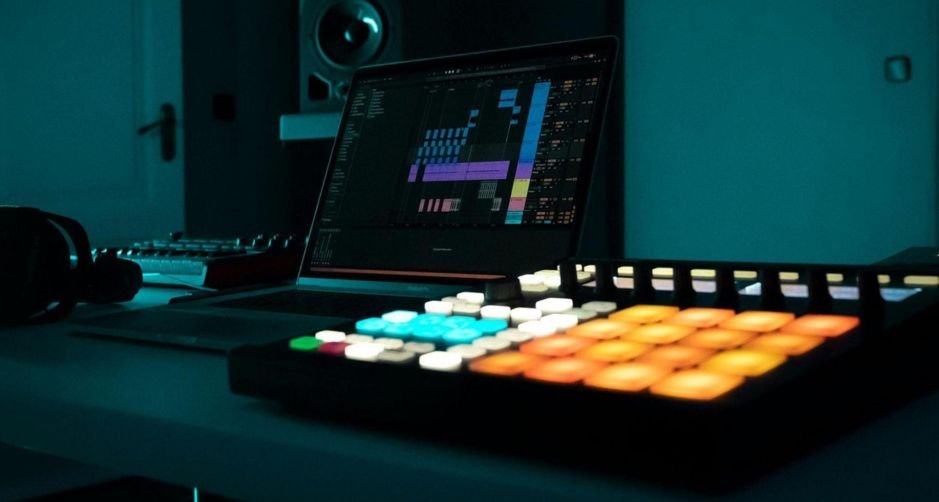
This transformation reflects deeper changes in how music is imagined and realized. Independent producers no longer rely solely on expensive hardware or studio time to experiment with sound.
Instead, software and algorithm-driven approaches enable artists to iterate rapidly, test interpretations of musical ideas, and reframe their workflows in ways that value flexibility and exploration.
What generative audio means for production
Generative audio tools allow artists to work with sound at a level of abstraction that was previously unavailable outside professional production environments.
Instead of manually programming every sequence or depending on session musicians for each layer of sound, producers can use algorithmic generation to sketch foundational elements like rhythm, harmony, or texture in moments.
These generated elements can serve as starting points for deeper creative work, much as a sketch informs a painter’s final composition.
This does not diminish the role of human musicianship; rather, it repositions certain tasks earlier in the creative process.
When tools enable rapid iteration on sonic concepts, artists can focus more attention on interpretation, arrangement, and emotional nuance, aspects that remain deeply shaped by human sensibility.
Access and creative experimentation
For independent producers, access to quality audio tools has always been a barrier.
Not all artists can afford professional suites or studio time, and these constraints have historically influenced the scope and scale of creative ambition.
Generative tools help shift this balance by lowering the threshold to experimentation.
Independent creators can explore ideas audibly without committing significant financial resources or infrastructure.
At the same time, experimentation through generative means raises important questions about authorial voice.
When machines contribute to rhythm patterns, tonal choices, or even suggest melodic lines, artists must consider how to integrate these contributions in ways that still reflect their creative identity rather than subsume it.
Audience reception and authenticity
Listeners develop expectations about how music should feel and sound based on cultural context, genre conventions, and personal experience.
The integration of generative audio into independent music production invites reflection on how audiences interpret authenticity.
Does the origin of a sonic element matter if the emotional or aesthetic impact aligns with listener expectations?
Or does the presence of algorithmically generated sound change how people relate to creative work?
Studies in music cognition suggest that listeners respond not only to raw sound but to perceived intent and structure.
When music aligns with familiar emotional cues and rhythmic patterns, listeners often perceive it as credible and engaging, regardless of how it was generated.
These psychological dynamics inform how independent musicians think about the use of generative audio within their creative voice.
Workflow shifts and collaboration
The introduction of generative audio tools into independent workflows does not necessarily mean music is produced without human collaboration.
Instead, it redefines the points at which collaboration happens. Producers might use generative elements to stimulate new ideas, then refine or replace them through human performance and editing.
This interplay between algorithm and artistry becomes a dynamic conversation rather than a substitution.
Such workflow shifts can also influence how teams form and function. Independent creators may collaborate with visual artists, animators, or interactive designers who are also exploring generative media, creating cross-disciplinary projects that blur conventional boundaries between mediums.
Economic and structural implications
The democratization of audio technology has economic implications for the music landscape.
Independent artists who can prototype and produce high-quality sound with relatively minimal investment are better positioned to compete in digital spaces where listeners encounter music through streaming platforms and social feeds rather than traditional radio or physical media.
However, economic questions remain about compensation, rights, and long-term sustainability.
When generative elements contribute to songs, how are royalties attributed?
How do rights frameworks adapt to incorporate algorithmically generated contributions?
These structural questions will shape how independent musicians integrate generative tools into viable creative careers.
Ethical and cultural reflection
Music is deeply embedded in cultural practices, identities, and histories. The adoption of new tools invites ethical reflection on how cultural meaning is preserved, transformed, or reinterpreted through technology.
Generative tools draw on patterns learned from existing recordings and styles, and the ways in which those patterns are repurposed influence how culture circulates and evolves.
Independent musicians engaging with generative audio must therefore consider not only the aesthetic impact of their work but also the cultural contexts and histories that inform it.
Respectful engagement with these dimensions reinforces both artistic integrity and community connection.
The future of independent sound
The growing role of technology in independent music production marks a shift in creative possibilities rather than a rupture with tradition.
Generative tools offer new avenues for sonic exploration, but their impact will ultimately be shaped by how artists choose to use them, as sources of inspiration, collaborative partners, or experimental stepping-stones within broader creative practices.
As these tools continue to evolve and integrate into workflows, the relationship between human creativity and algorithmic assistance will remain central.
The future of independent music production will likely be characterized not by a single method of creation but by an expanding ecosystem where technology and artistry co-create new forms of expression.