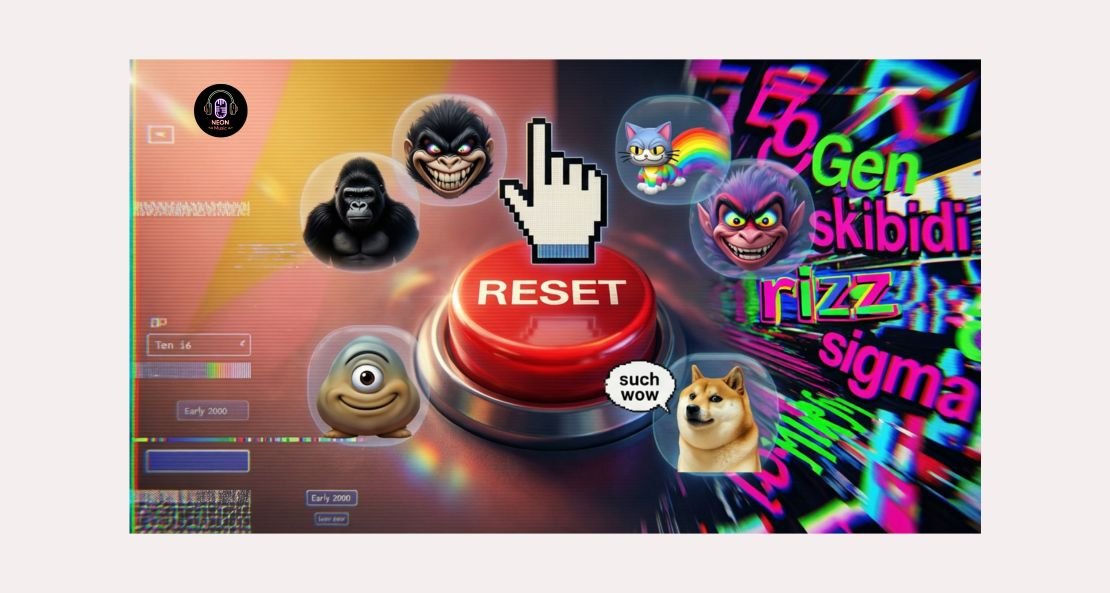
The Great Meme Reset of 2026 was a short-lived internet movement that claimed memes would “reset” on January 1st, 2026, abandoning modern brainrot formats in favour of pre-2025 and early-internet memes like Harambe, Trollface, and Nyan Cat.
The idea gained traction on TikTok in late 2025, driven by growing frustration with how fast memes now rise, get labelled “corny,” and disappear. Supporters framed it as a cultural reboot, a return to when memes felt communal rather than algorithmically churned.
In practice, the reset failed almost immediately. Engagement was brief, participation was ironic rather than sincere, and within days TikTok returned to its usual abstract, meta-driven meme cycles.
The “reset” ultimately became another meme about the impossibility of controlling internet culture.
January 1st, 2026 was supposed to change everything. TikTokers promised a revolution: a complete purge of brainrot, a return to Harambe and Big Chungus, a symbolic winding back of the cultural clock to when memes still felt like inside jokes rather than algorithmic exhaust fumes.
The movement called itself the Great Meme Reset, and for about two months in late 2025, it felt like something real.
It wasn’t.
Scroll through TikTok today and you’ll find exactly what you found on December 31st: abstract nonsense, AI-generated slop, niche community deep cuts that die within 48 hours.
The only thing that changed is now there’s a new layer of irony: people making memes about how the reset failed, which is itself becoming a tired format. The revolution got absorbed by the thing it tried to escape.
Where the Great Meme Reset Came From
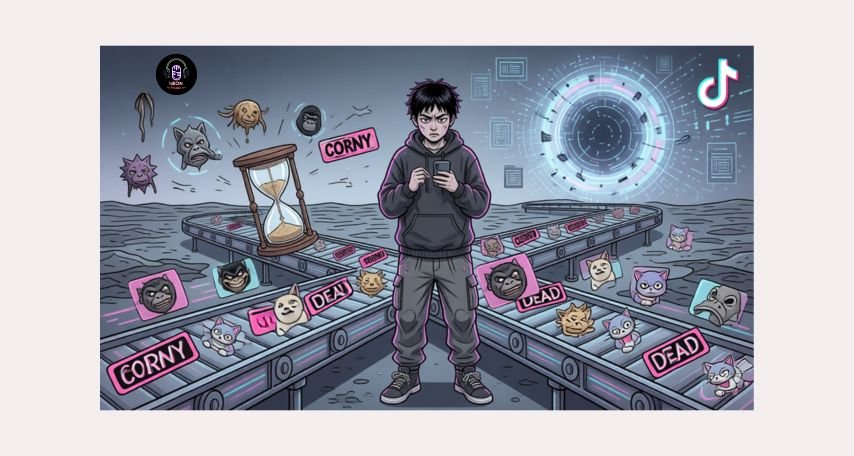
The whole premise rested on collective exhaustion. Throughout 2025, a growing chorus of users complained that memes had become simultaneously too fast and too meaningless.
The “Niche Community” on TikTok (users obsessed with finding and killing trends before they could properly breathe) accelerated everything to an impossible pace.
Memes would explode, get called “corny,” and vanish within days. The March 2025 “Meme Drought” became the breaking point when users openly declared there hadn’t been a single funny meme in weeks.
The phrase “Great Meme Reset” began circulating widely on TikTok in August and September 2025, peaking in search interest during the final two weeks of December.
TikToker @joebro909 first floated the idea in a comedy sketch that satirised the unsustainable speed of modern meme cycles.
@joebro909 The get out revival is essential for us to exit the great tiktok drought of March #fyppppp #viral #meme #skit #memedrought ♬ original sound – Joey
By September, @golden._vr had formalised the plan: December 31st, 11:59pm would mark the official start date. Come January 1st, only pre-2025 memes would be acceptable. Harambe, Ugandan Knuckles, Nyan Cat, Trollface (the classics).
Anything from 2016 or earlier was deemed acceptable, while anything newer was treated as cultural contamination.
On paper, it sounded like a proper cultural movement. In practice, it revealed something uncomfortable about how memes actually work.
Why the Reset Was Always Going to Fail
You can’t legislate comedy. You can’t collectively decide what’s funny through a shared calendar date. The entire appeal of those “classic” memes was their organic emergence: they spread because they genuinely connected with people, not because someone declared them officially sanctioned.
Trying to force Ugandan Knuckles back into relevance in 2026 is like trying to make “fetch” happen. It’s not going to happen.
More importantly, the reset ignored a basic truth: those old memes were brainrot too. Lolcats weren’t sophisticated cultural commentary.
They were pictures of cats with intentionally broken grammar. Rage comics were stock characters in MS Paint expressing the most basic human emotions.
Even Harambe, the gorilla who became a posthumous meme legend, primarily existed as an excuse to say “dicks out” in public without consequences.
The difference isn’t quality. It’s age. The Great Meme Reset was basically millennials and older Gen Z users experiencing the exact phenomenon every generation experiences: the stuff from their youth feels authentic and meaningful, while the stuff young people currently enjoy feels stupid and wrong.
It’s the same pattern that made your parents complain about your music, your fashion, your slang.
Some defenders argued it wasn’t about returning to better memes. It was about rejecting the unsustainable pace of modern meme culture. Fair point.
The Niche Community’s approach to memes is genuinely exhausting, creating and destroying trends so quickly that participating feels like a full-time job. But the solution to that problem isn’t nostalgia. It’s logging off.
The reset also fundamentally misunderstood what 2025’s abstract memes actually represent. Yes, things like “6-7” or “Italian Brainrot” seem completely nonsensical.
That’s the point. They’re meta-commentary on the creation and spread of memes themselves, subverting the organic nature of virality by making the forced-ness obvious.
It’s not that Gen Alpha and young Gen Z don’t understand what makes something funny. It’s that they’ve chosen to find humour in the absurdity of the whole system.
This same logic explains why trends like “Italian Brainrot” or “6-7” spread despite appearing meaningless at first glance.
What the Failure Says About Internet Culture in 2026
When January 1st arrived, a few users dutifully posted vintage memes. The engagement was polite but unenthusiastic. Within 48 hours, normal service had resumed.
If anything, the brainrot intensified (possibly as a direct response to the reset attempt, possibly because the algorithm simply doesn’t care about user manifestos).
The failure teaches something useful about internet culture in 2026. We’re past the point where collective movements can meaningfully redirect the stream.
The algorithm is too powerful, the userbase too fragmented, the content cycle too fast. What goes viral now isn’t determined by what communities decide is worthy. It’s determined by engagement patterns that operate below the level of conscious choice.
You can’t reset culture through declaration. You can only watch it mutate and decide whether to keep participating or let it pass you by.
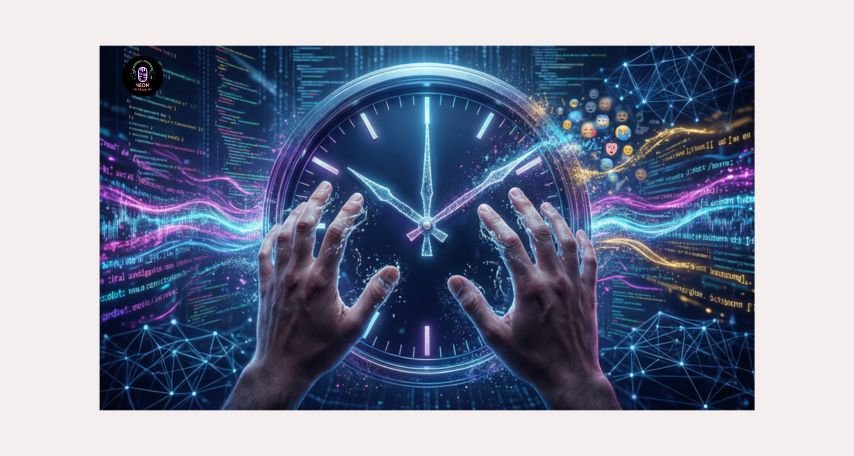
The Great Meme Reset wanted to turn back the clock, but nobody wound it. The joke, in the end, was thinking anyone had hands on the mechanism in the first place.
Subscribe to neonmusic.co.uk for more analysis on internet culture, viral trends, and the forces shaping how we communicate online.
- The Rise of Brainrot Slang: How TikTok’s Viral Lingo Took Over Pop Culture
- 60 Gen Alpha Slang Words & Meanings (2025)
- Top 30 TikTok Trends & Viral Songs of 2025
- 15 Old Songs That TikTok Resurrected Into Modern-Day Hits
- How TikTok Viral Songs Dominated Charts in 2025
- 15 Classic Songs TikTok Resurrected in 2025