Here’s a statistic that should make every record label executive break out in a cold sweat: 84% of songs that entered the Billboard Global 200 in 2024 went viral on TikTok first. Not after. First.
American users are 74% more likely to discover and share new music on the platform compared to your average social video scroller. And since the “Add to Music App” feature launched in 2024, over a billion tracks have been saved directly from TikTok to streaming services. A billion. That’s not a promotional channel anymore. That’s the entire bloody game.
2025 hasn’t just continued this trend. It’s accelerated it beyond recognition. What began as teenagers dancing to Doja Cat has morphed into something far more powerful: a complete rewiring of how music reaches ears, how careers get built, and honestly, what even counts as “making it” anymore.
But let’s be clear. Going viral doesn’t guarantee anything. For every success story, there are dozens of artists who got their 15 seconds of fame and then… nothing. The gap between a viral moment and an actual career has never been wider or more confusing to navigate.
So what’s actually working in 2025? Let’s dig into five case studies that tell very different stories about how TikTok is reshaping music.
When a Decade-Old Track Becomes the Song of Summer
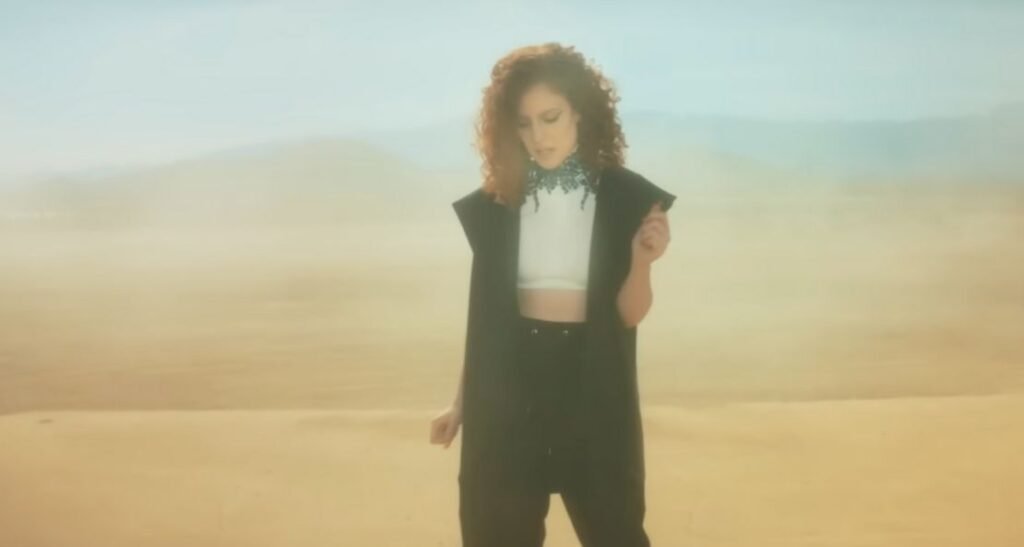
Nobody woke up in January 2025 thinking Jess Glynne’s 2015 single “Hold My Hand” would dominate the entire summer. Least of all Jess Glynne, probably.
The track had been living a quiet second life as “that Jet2holidays song” after the UK travel company licensed it for their ads. Nice steady income, nothing spectacular. Then TikTok happened.
It started with holiday montages. Someone would post their Benidorm trip set to “Hold My Hand,” and suddenly everyone else was doing the same.
Before long, the track had spread beyond holidays entirely. Proposal interruptions. Wedding disasters. Jeff Goldblum and Mariah Carey (yes, really) posting their own versions. Over 9 million videos later, Glynne’s decade-old single was the undisputed global Song of the Summer.
The streaming numbers tell the real story. Music Business Worldwide reports that TikTok-correlated artists see 11% week-over-week streaming growth compared to 3% for everyone else. Glynne’s 2015 track suddenly competed with brand-new releases. Won against most of them, actually.
That “Add to Music App” button played a massive role here. Someone discovers the song soundtracking a beach video, taps once, and it’s saved to their Spotify. Instant conversion from discovery to consumption. No searching, no hassle.
The lesson? Release date means nothing on TikTok. A song from 1984 or 2024 has the same shot at virality if it hits the right emotional note at the right moment.
PinkPantheress Didn’t Get Lucky. She Got Strategic.
When PinkPantheress dropped “Illegal” in 2025, she knew exactly what she was doing. Her previous hits had already proven she understood TikTok better than most major label A&R departments.
The “Is this illegal?” handshake trend that followed wasn’t accidental. The trend generated over 3.7 million creations and turned the entire For You Page into a celebration of friendship. Brilliantly simple concept: two people do a handshake, someone asks “Is this illegal?” Infinite variations possible.
Here’s what made it work. You didn’t need dance training or expensive gear. Just you, a mate, and a phone. That accessibility mattered. The more people who can participate, the faster a trend spreads.
But PinkPantheress didn’t just drop the track and hope for the best. She actively participated, posting her own videos, engaging with fan content, genuinely being part of the community rather than standing above it. That authenticity is everything on TikTok. Users can smell manufactured campaigns from miles away.
Result? Her second Billboard Hot 100 placement and streaming numbers that justified whatever her label paid for the release. The blueprint here is clear: write something memeable, make it easy to participate, and actually show up in your own trend.
The Bedroom Producer Who Beat the System
Sadie Jean started 2025 as a complete unknown. No label, no management, no industry connections whatsoever. Just bedroom recordings and a TikTok account.
Her breakthrough track (featured on various 2025 viral charts) captured something real about self-acceptance and personal growth. The kind of lyrics that make 17-year-olds cry in their bedrooms at 2am. And that’s exactly who started using it.
The trend became less about the song itself and more about vulnerable storytelling. Users attached Jean’s music to videos about their mental health journeys, relationship struggles, moments of self-discovery. Raw, honest content that traditional pop radio would never touch.
What makes Jean’s story significant isn’t just that she went viral. It’s that she did it without asking permission from anyone. No radio programmer deciding her sound wasn’t “commercial enough.”
No label executive telling her to write something more “marketable.” TikTok’s algorithm gave her bedroom recordings the same chance as tracks with six-figure budgets.
Whether she can turn this into a lasting career remains the big question. Early signs look promising. Concert tickets selling, merchandise moving, genuine fanbase forming. But plenty of viral TikTok artists have crashed hard after their moment passed. The pressure to recreate that lightning-in-a-bottle success can be paralysing.
Gen Z Discovers Connie Francis (and She’s Been Dead Since 2024)
Sometimes TikTok does something genuinely beautiful. The Connie Francis revival is one of those moments.
Her classic recordings became the go-to soundtrack for wholesome pet and family videos throughout 2025. At its peak, her music averaged over 600,000 daily video creations. That’s not a revival. That’s a full resurrection.
Think about what happened here. Gen Z kids who weren’t even born when Francis originally recorded discovered her voice for the first time. Meanwhile, their grandparents heard songs they’d forgotten they loved. The comment sections became these weird, lovely intergenerational spaces where teenagers and pensioners bonded over the same trending sound.
TikTok’s done this before with Fleetwood Mac and Kate Bush, but Francis’s case feels different. Her music wasn’t attached to a Netflix show or celebrity moment. It just… fit. The warmth in her voice perfectly matched the content people wanted to create about their dogs and families.
For whoever manages Francis’s estate, this translated to serious money. Catalogue tracks that hadn’t generated meaningful streaming income in years suddenly spiked. Record labels are paying attention. They’re actively pushing older recordings to TikTok creators now, hoping to manufacture similar revivals.
Good luck with that, by the way. You can’t force this stuff. Francis’s resurgence worked because the emotional match between her music and user content felt genuine, not because some marketing team decided it was time for a comeback.
Malcolm Todd and the Power of Emotional Vulnerability
“Chest Pain (I Love)” by Malcolm Todd started bubbling up in late 2024 but really exploded throughout 2025. The track’s heartfelt lyrics and melodic composition gave users the perfect emotional backdrop for storytelling content.
Number 68 on the Billboard Hot 100 might not sound impressive until you remember this is a melancholic ballad about heartbreak. Not exactly typical TikTok fodder of upbeat dance tracks and catchy hooks.
Users paired Todd’s music with vulnerable narratives about relationships, mental health struggles, personal growth. The trend prioritised storytelling over aesthetics. No fancy editing or elaborate concepts. Just people being honest about their feelings while Todd’s voice plays underneath.
This matters because it proves TikTok isn’t just for one type of music. Thoughtful, introspective tracks can find massive audiences if they provide the right emotional resonance. The platform’s more diverse than critics give it credit for.
What Actually Makes Songs Go Viral?
After watching dozens of tracks blow up throughout 2025, patterns emerge. Dance challenges still work, obviously, but they’re different now. The best ones leave room for personal interpretation whilst maintaining recognisable elements. People want to feel like they’re participating in something bigger whilst still expressing their individuality.
@chiaraspureluv26 Embrace it! #foryou #foryoupage #tiktok #chiara #famous #embraceit ♬ original sound – C h a i a r a
Memeable lyrics matter more than traditional radio hooks. Short, quotable phrases that work in multiple contexts spread fastest. “Is this illegal?” became a question people asked about everything from eating pizza for breakfast to wearing socks with sandals. That flexibility is gold.
Fan-generated content has basically become free marketing departments. When users create lyric videos, aesthetic compilations, or emotional montages, they’re producing promotional content that artists could never afford to commission. Smart artists encourage this creativity instead of sending copyright strikes.
Influencer involvement can accelerate trends but doesn’t guarantee anything. When big accounts participate in a trend, they amplify reach. But forced influencer campaigns usually flop spectacularly because TikTok users detect inauthenticity immediately. The most effective influencer participation happens organically when creators genuinely enjoy the music.
The Uncomfortable Truths Nobody Wants to Discuss
Right, let’s talk about the downsides, because there are plenty.
The barrier to entry being low cuts both ways. Sure, bedroom producers can compete with major labels now. That’s beautiful. It’s also created a situation where viral moments happen faster than artists can build the infrastructure to capitalise on them. Most musicians who go viral on TikTok experience brief fame followed by… absolutely nothing.
The one-hit-wonder problem has intensified dramatically. You might go viral with one track, then spend the next year desperately trying to recreate that success whilst watching your follow-up singles die in obscurity. Audiences form parasocial relationships with songs, not artists. They want “that TikTok song” on repeat, not your carefully crafted album.
Then there’s the burnout. Artists describe feeling like content creators who occasionally make music rather than musicians who occasionally create content. The pressure to constantly post, engage with trends, maintain visibility across multiple platforms… it’s exhausting. Some artists crack under it.
And the algorithm remains utterly baffling. Songs go viral for reasons that have nothing to do with musical quality. A track might blow up because it perfectly soundtracks a specific meme format, not because anyone actually likes the music. For artists who’ve spent years honing their craft, watching random tracks succeed for arbitrary reasons can be demoralising.
What Artists Should Actually Do (If They’re Smart)
If you’re an emerging artist trying to figure out TikTok, here’s what actually works.
First, understand the platform’s culture before trying to participate. Spend weeks just scrolling, watching what resonates, identifying authentic ways you could contribute. Forced trend-chasing fails spectacularly. You need to find the overlap between what TikTok users want and what you genuinely want to create.
Write music with TikTok in mind without sacrificing artistic integrity. That’s the balance. Create memorable hooks and quotable lyrics that could work in 15-second clips, but remember that lasting careers require full albums, not just viral moments. Don’t become a jingle factory.
Engage authentically with your community. Respond to fan content. Participate in trends around your music. Show vulnerability. TikTok users reward genuine connection and absolutely punish corporate polish. They can tell when you’re being real and when you’re performing.
Build infrastructure beyond TikTok. This is critical. Use viral moments to drive followers to Instagram, YouTube, email lists. Diversify your presence across platforms so one algorithm change doesn’t destroy your entire career. TikTok could disappear tomorrow (it nearly did, remember?). What then?
Stop obsessing over production quality. TikTok users care more about emotional resonance than pristine mixing. Lo-fi bedroom recordings frequently outperform expensive studio productions. The raw, authentic feel often connects better than polish.
Finally, remember that TikTok fame is a tool, not the destination. The goal isn’t viral videos. The goal is a music career that lasts beyond the viral moment. Use the platform’s exposure to build genuine fanbases who’ll support you through albums, tours, creative evolution.
Where This All Ends Up
The music industry has fundamentally changed. TikTok didn’t add a promotional channel. It replaced the old system entirely. Radio doesn’t break artists anymore. MTV hasn’t mattered in 15 years. Even Spotify’s algorithmic playlists play second fiddle to TikTok’s For You Page.
Artists who understand this reality and adapt intelligently will build careers. Those who resist or approach it cynically will struggle. The democratisation is real. A teenager in their bedroom has the same shot at success as a major label artist with a million-pound budget. That’s simultaneously inspiring and terrifying, depending on where you sit in the industry.
The platform has proven that great music can come from anywhere and reach everyone. Now comes the hard part: building careers that last beyond 15 seconds of viral fame. The artists who figure that out will define the next decade of music. The ones who don’t will become cautionary tales about the dangers of confusing attention with achievement.
Five case studies, dozens of viral moments, billions of streams later, one thing is clear: TikTok isn’t the future of music discovery anymore. It’s the present. And it’s not going anywhere.
You might also like:
- 15 Old Songs That TikTok Resurrected Into Modern-Day Hits
- What’s the Bacon, Egg and Cheese Song? How TikTok’s Dominican Meme Went Viral
- 10 Viral Music Videos of 2024 You Need to See Now
- Sigma Boy: The Viral Earworm That’s as Ironic as It Is Infectious
- Kehlani by Jordan Adetunji: A Viral Hit Celebrating Confidence and Cultural Impact
- Chris Brown’s Under the Influence Lyrics: A Deep Dive into the Viral Sensation