
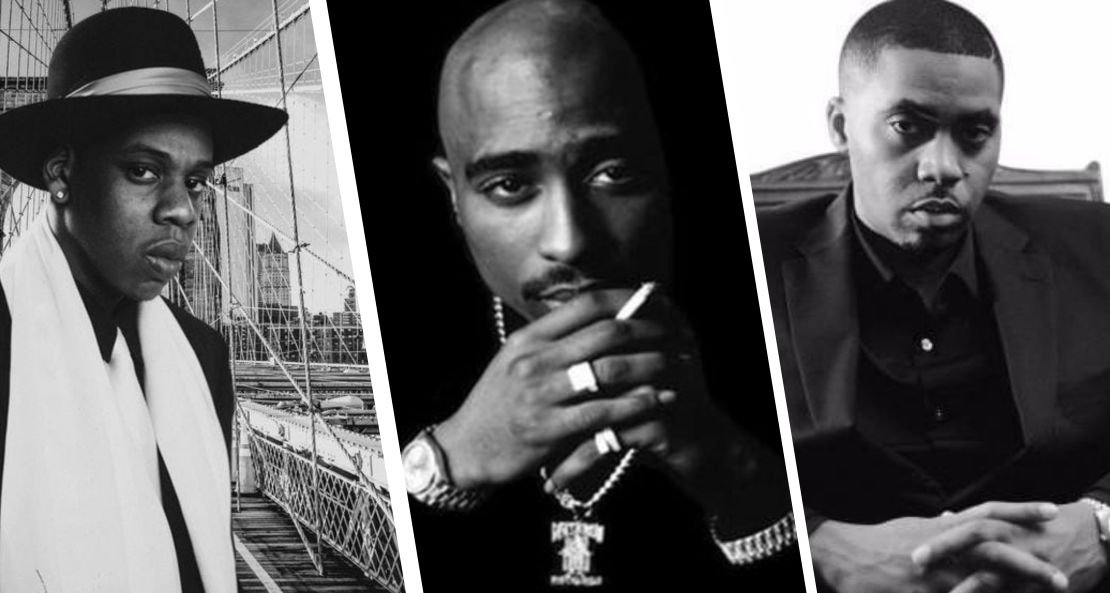
Three decades ago, hip-hop stopped asking for permission and started taking what belonged to it. 1996 didn’t just birth classic albums or ignite legendary beefs.
The year rewrote the entire playbook for what rap music could become commercially, creatively, and culturally.
When 2Pac walked out of Clinton Correctional Facility on October 12, 1995, nobody knew the next ten months would create a timeline hip-hop still measures itself against.
Death Row and Bad Boy waged war whilst regional sounds from Houston to Atlanta claimed their territories.
Independent hustlers built empires from trunk sales whilst major labels scrambled to sign anything with a 16-bar verse.
The narrative you’ve heard before focuses on All Eyez On Me and the East Coast versus West Coast drama.
That story matters, sure. But the real revolution happened in the margins: female MCs breaking through patriarchal gatekeeping, Southern artists proving their markets mattered, and producers pushing boom-bap into uncharted sonic territories.
January 2026 marks thirty years since those seismic shifts. Time to examine what actually happened when hip-hop came of age.
The Death Row/Bad Boy Collision Nobody Saw Coming
September 1996 changed everything. When bullets tore through Tupac Shakur’s BMW on the Las Vegas strip, the East Coast/West Coast beef transformed from competitive posturing into genuine tragedy.
Six months later, Biggie Smalls died in Los Angeles under eerily similar circumstances.
But here’s what the retrospectives miss: the beef itself masked deeper industry transformations. Death Row Records and Bad Boy Entertainment represented competing business philosophies as much as coastal rivalry.
Suge Knight built Death Row through intimidation and studio monopoly, controlling everything from production to distribution.
Diddy crafted Bad Boy as a lifestyle brand, blending hip-hop with R&B to create crossover gold.
When 2Pac recorded 27 tracks for All Eyez On Me in just two weeks after leaving prison, he proved rap could sustain double-album ambition.
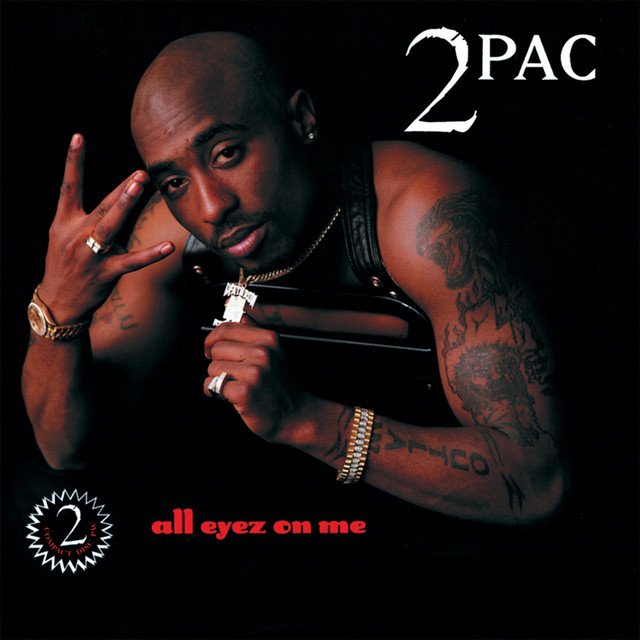
The project moved 566,000 copies in its first week, going quintuple platinum by April. “California Love” and “How Do U Want It” both hit number one on the Billboard Hot 100.
Pac became the first solo rapper since MC Hammer to achieve back-to-back chart-toppers.
Bad Boy countered with calculated precision. Biggie didn’t release a proper album in 1996, but his features kept him omnipresent.
“Mo Money Mo Problems” with Mase and Diddy wouldn’t drop until July 1997, but the groundwork got laid throughout ’96 with guest verses and mixtape appearances that kept Brooklyn’s finest in rotation.
The coastal tension created unintended consequences. Regional markets finally got taken seriously. If New York and LA wanted to fight over supremacy, Houston, Atlanta, and New Orleans decided to build their own kingdoms.
The South Got Something To Say (And Nobody Listened… Yet)
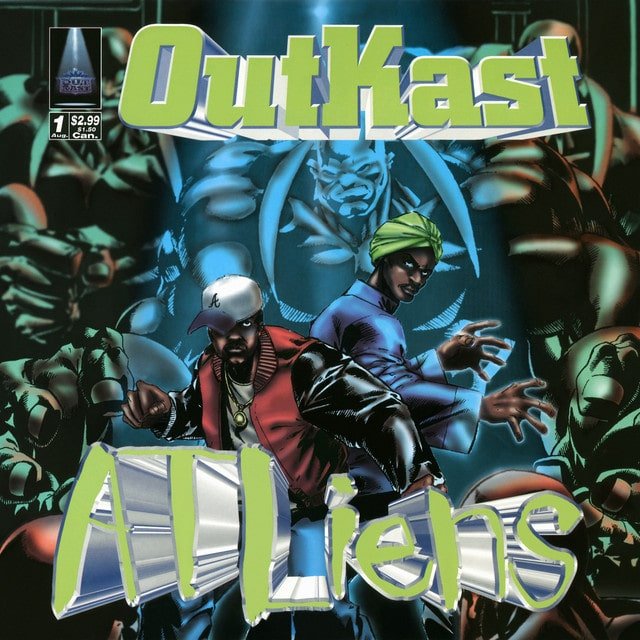
OutKast dropped ATLiens in August 1996. The sophomore album peaked at number two on the Billboard 200, moved half a million copies, and birthed “Elevators (Me & You)” as a crossover hit.
But mainstream media still treated Atlanta like a regional curiosity rather than the cultural powerhouse it would become.
“Elevators” showcased what made OutKast dangerous: André 3000 and Big Boi rode Organized Noize’s cosmic production with flows that rejected East Coast intellectualism and West Coast gangsterism equally.
They created third-option hip-hop that pulled from funk, soul, psychedelia, and dirty South grit without apologising for any of it.
Meanwhile in Houston, UGK released Ridin’ Dirty in July. Bun B and Pimp C crafted fifteen tracks of Southern gangsta philosophy over blues-inflected production that felt worlds removed from G-funk or boom-bap. “Murder” laid out drug game mathematics with icy precision. The album moved 850,000 copies without a single promoted to radio.
New Orleans witnessed Master P transform No Limit Records from regional hustle into national juggernaut. Ice Cream Man dropped in April, showcasing P’s entrepreneurial vision more than lyrical prowess.
The independent blueprint P pioneered influenced everyone from Cash Money to Roc-A-Fella to TDE.
He proved you could move units without major label infrastructure if you controlled manufacturing, distribution, and marketing yourself.
Southern hip-hop’s 1996 blueprint looked nothing like coastal models. Artists owned their masters, moved product through mom-and-pop shops, and built fanbases through relentless touring rather than radio spins.
When the major labels finally noticed around 1998-2000, they discovered markets generating millions nobody had been tracking.
Female MCs Breaking Through Bulletproof Glass
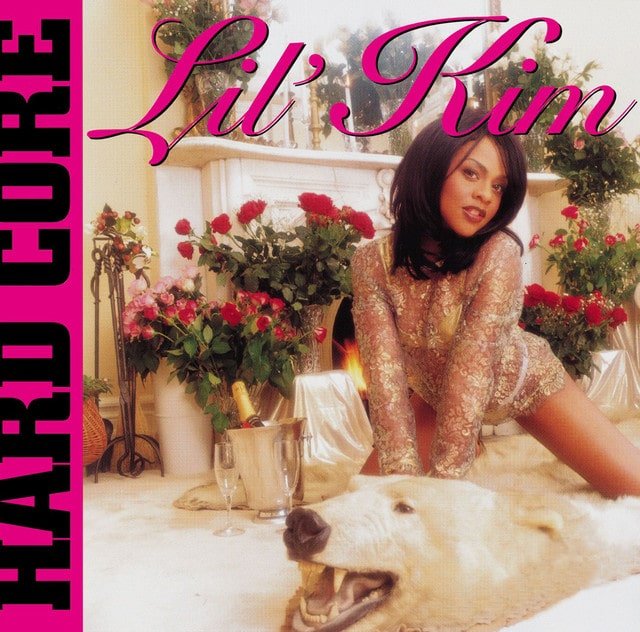
Lil’ Kim released Hard Core in November, moving 78,000 copies first week and establishing a blueprint for sexually confident female rap that still resonates today.
Kim weaponised explicit lyrics and designer fashion equally, proving women could claim space in hip-hop’s boys club on their own terms.
Two weeks prior, Foxy Brown dropped Ill Na Na, also platinum before year’s end. At just seventeen, Foxy navigated mafioso aesthetics alongside Trackmasters production that felt grown beyond her years.
The Nas collaboration “Affirmative Action” proved she could trade bars with the best without losing her identity.
What these releases represented went beyond chart positions or sales figures. For years, female rappers faced binary choices: either embrace consciousness like Queen Latifah and MC Lyte, or play up sexuality for male consumption.
Kim and Foxy rejected that dichotomy entirely. They claimed sexuality as power whilst maintaining lyrical competency that demanded respect.
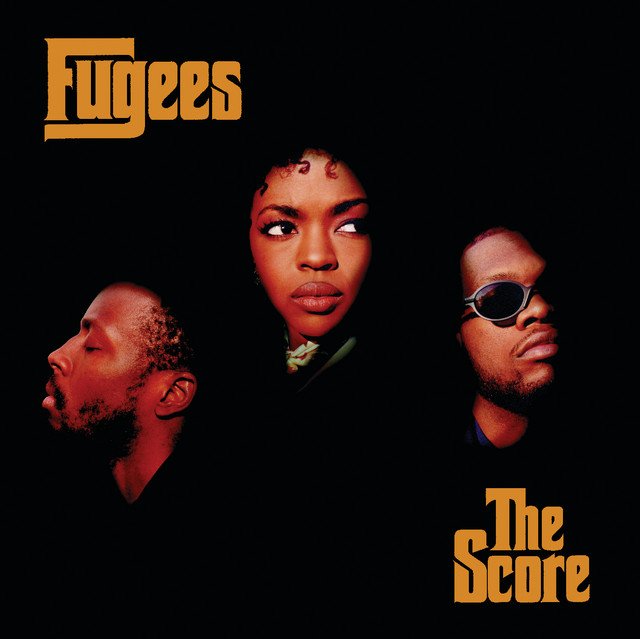
The Fugees’ The Score showcased Lauryn Hill’s range across 17 tracks that blended hip-hop, reggae, and soul into something transcendent.
“Ready or Not” and “Killing Me Softly” dominated radio whilst showcasing Hill’s ability to sing and rap with equal mastery.
The album moved six million copies domestically, proving crossover success didn’t require compromising artistic vision.
MC Lyte returned with Bad As I Wanna B, her fifth album, at age 25. The Bad Boy remix of “Cold Rock a Party” featuring Missy Elliott gave Lyte her biggest commercial hit.
At a moment when newer female artists grabbed headlines, Lyte proved veterans could adapt without losing authenticity.
Bahamadia’s Kollage flew under the radar but influenced a generation of underground female MCs.
Her jazz-tinged production and intricate wordplay offered an alternative to both mainstream accessibility and hardcore posturing.
The variety of approaches these six women took in 1996 expanded possibilities for female artists who followed.
You could be sexy, conscious, underground, mainstream, or all of the above simultaneously. Hip-hop’s gender landscape would never look the same.
The Underground Strikes Back
Whilst Death Row and Bad Boy waged their public war, underground hip-hop experienced a creative renaissance rooted in artistic integrity over commercial viability.
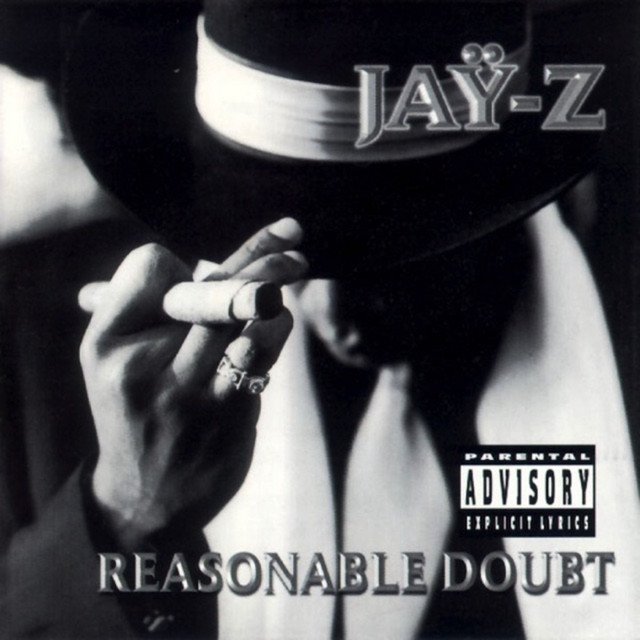
Jay-Z released Reasonable Doubt in June through the independent Roc-A-Fella Records (partnering with Priority for distribution).
The album peaked at number 23, going platinum eventually but moving just 43,000 copies in its first week.
Critics immediately recognised the project’s brilliance even if mainstream audiences needed time catching up.
“Dead Presidents II” sampled Lonnie Liston Smith’s jazz while Jay wove mafioso narratives with technical precision that matched anybody.
The album’s commercial underperformance actually strengthened its legend. Reasonable Doubt became hip-hop’s ultimate slow-burn classic, proving timeless music finds its audience regardless of initial reception.
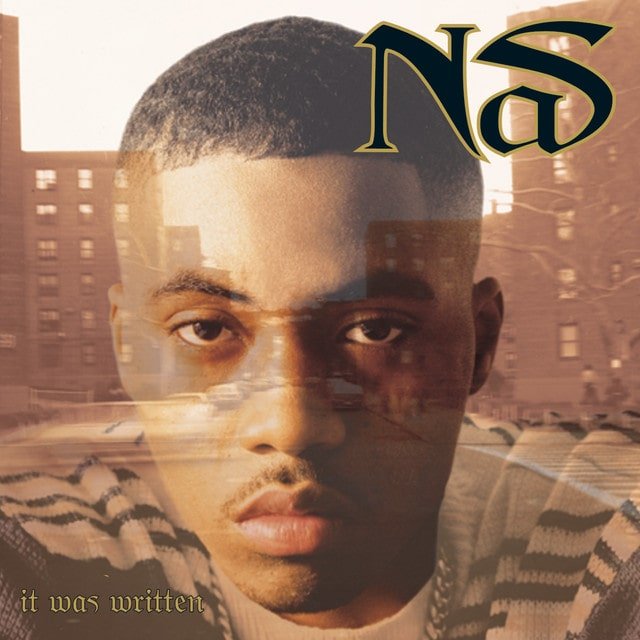
Nas followed Illmatic’s impossible-to-top debut with It Was Written, shifting toward mainstream accessibility whilst maintaining lyrical complexity.
The album debuted at number one, moving 270,000 copies first week. Tracks like “If I Ruled The World” featuring Lauryn Hill achieved crossover success that Nas’s previous work hadn’t touched.
But the album split hip-hop into camps. Underground purists felt Nas had sold out, chasing commercial success with Trackmasters production and Hype Williams videos.
Others appreciated an artist refusing to be boxed into expectations. The debate over underground integrity versus mainstream ambition that N.O.R.E. and The Roots sparked that year still rages in some corners.
De La Soul attempted addressing this tension directly. Stakes Is High rejected sampling eccentricities for mature, introspective jazz rap examining hip-hop’s authenticity and direction.
The title track called out materialism and image-driven culture with surgical precision.
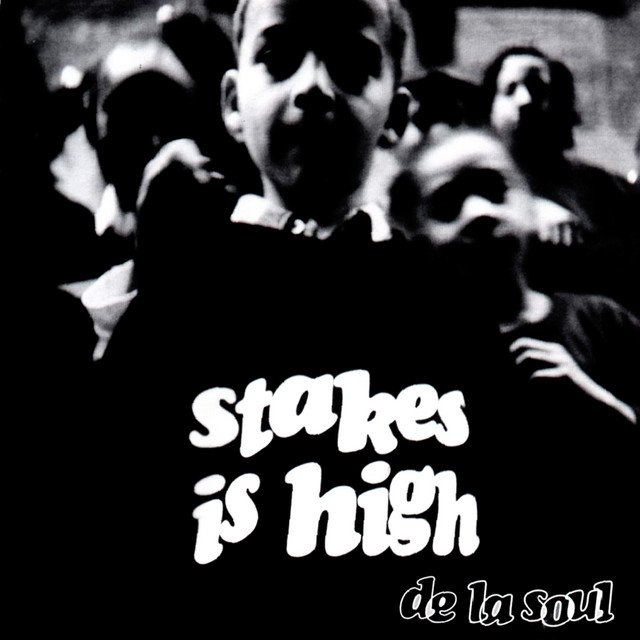
“Stakes Is High” felt prophetic even then. De La’s critique of bling era excess and commercialisation predicted conversations that would dominate hip-hop discourse for decades.
The album peaked at number 13, proving conscious rap could still find commercial success if the execution hit.
The Roots continued pushing boundaries with Illadelph Halflife, crafting organic hip-hop from live instrumentation.
Black Thought emerged as an elite MC whilst Questlove and the band created soundscapes that felt both timeless and forward-thinking.
The “What They Do” video parodied rap video clichés so effectively that Biggie felt personally attacked despite being a Roots fan.
Dr. Octagon arrived from the twisted mind of Kool Keith and producer Dan the Automator. Dr. Octagonecologyst pushed abstract hip-hop into horror movie territory with Keith inhabiting a demented alien gynecologist character.
The project proved underground hip-hop could be experimental, weird, and absolutely brilliant simultaneously.
The Production Revolution Nobody Talks About
1996 marked a turning point in hip-hop production. The boom-bap that dominated early ’90s New York started fragmenting into regional variations whilst producers experimented with live instrumentation, film score techniques, and genre fusion.
DJ Premier crafted some of his finest work. Jeru The Damaja’s “Ya Playin’ Yaself” showcased Premo’s ability to layer samples with minimalist drums that hit like sledgehammers.
The track jabbed at commercial rap’s excesses whilst Premier’s beat provided the perfect soundtrack for underground resistance.
Havoc emerged as Mobb Deep’s secret weapon. Hell On Earth featured production that sounded apocalyptic, with dimly-lit pianos and paranoid strings creating soundscapes that matched Prodigy and Havoc’s lyrical darkness.
“Front Lines (Hell on Earth)” showcased how minimal instrumentation could create maximum atmosphere.
The Trackmasters dominated mainstream production. Poke and Tone’s glossy, sample-heavy approach powered hits for Nas, Foxy Brown, and others.
Critics dismissed them as too commercial, but their ability to craft radio-friendly tracks without sacrificing musicality helped hip-hop conquer pop radio.
Organized Noize continued crafting OutKast’s signature sound. ATLiens production blended funk, soul, and psychedelia into cosmic Southern hip-hop that sounded completely original.
The production trio proved regional sounds didn’t need to mimic coastal templates.
DJ Shadow released Endtroducing….., the first album created entirely from samples. The instrumental hip-hop masterpiece showcased sampling as high art, with Shadow constructing cinematic soundscapes from obscure vinyl fragments.
The project influenced producers across genres whilst proving instrumental hip-hop could sustain album-length ambition.
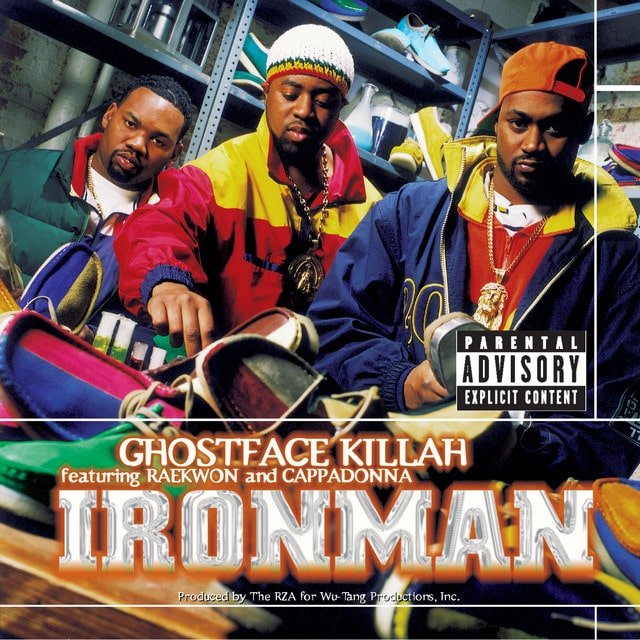
RZA’s Wu-Tang production aesthetic spread throughout 1996. Ghostface Killah’s Ironman featured RZA’s signature dusty soul samples, martial arts movie clips, and neck-snapping drums.
The production approach Wu-Tang pioneered influenced the entire East Coast underground.
What The Articles Missed: The Business Revolution
Most 1996 retrospectives focus on music and beefs whilst ignoring the business transformations that actually changed hip-hop’s trajectory.
January 3, 1996: Congress passed the Telecommunications Act, the first major overhaul of telecommunications law in sixty years.
The legislation allowed larger media companies to acquire smaller ones, changing radio ownership rules that had prevented monopolies.
Hip-hop radio transformed almost overnight. Independent, locally-focused stations got absorbed by corporate conglomerates.
Clear Channel and others bought up hundreds of stations nationwide, implementing standardised playlists that prioritised proven hits over regional diversity.
The consolidation had contradictory effects. National exposure increased for artists who broke through, but regional sounds faced new barriers reaching audiences outside their home markets.
A Houston artist now needed New York radio play to achieve national success, creating gatekeepers where none existed before.
Independent labels responded by building alternative distribution networks. Master P’s No Limit, Cash Money in New Orleans, and Roc-A-Fella in New York proved independent hustlers could move major units whilst keeping ownership of masters and controlling creative direction.
Soundscan technology, introduced in 1991, finally provided accurate sales data by 1996. For the first time, labels could track which records sold where rather than relying on estimates. The data revealed Southern and Midwest markets that coastal labels had been ignoring.
Hip-hop’s commercial landscape transformed when executives realised millions of dollars flowed through regions they’d never paid attention to.
All Eyez On Me’s first-week sales proved hip-hop could compete with rock and pop commercially.
The 566,000 copies moved put rap albums in the same conversation as major rock releases. Labels started viewing hip-hop as profit center rather than niche genre.
The Casualties Nobody Remembers
September 7, 1996: Tupac Shakur shot in Las Vegas, dying six days later at 25.
March 9, 1997: Christopher Wallace murdered in Los Angeles at 24.
These deaths get remembered, memorialised, and analysed endlessly. But 1996 claimed other casualties that cultural memory largely forgot.
Talent got swallowed by the machine. Artists who released brilliant projects watched them disappear because major labels couldn’t figure out how to market anything outside proven formulas.
Bahamadia’s Kollage should have launched a major career but got lost in Bad Boy and Death Row’s shadow.
Regional scenes that could have flourished got forced into coastal templates.
Chicano rap from Los Angeles, Native American hip-hop from the Southwest, and Caribbean-influenced sounds from New York’s outer boroughs all struggled finding platforms because gatekeepers demanded artists sound like Biggie or Pac.
The conscious versus commercial divide hardened into tribal camps. You either kept it real with underground boom-bap or you sold out chasing mainstream success.
No middle ground existed in some circles. Artists who tried navigating both worlds faced criticism from purists regardless of quality.
Independent artists lost access to retail as corporate consolidation favoured major label product.
Tower Records and Sam Goody stocked what distributors pushed, making it increasingly difficult for independent labels to get shelf space.
The democratisation promised by independent distribution networks ran into hard realities of corporate retail dominance.
What 1996 Actually Taught Us
Thirty years later, 1996’s lessons still resonate throughout hip-hop:
Regional diversity matters more than coastal supremacy. The South’s eventual dominance started with OutKast, UGK, and Master P proving their markets could sustain commercial success independent of New York or Los Angeles approval.
Independent hustle beats major label dependence. The blueprint Master P, Dame Dash, and others established influenced everyone from Tech N9ne to Tyler, The Creator to Chance the Rapper.
Owning your masters and controlling your business produces better long-term outcomes than signing predatory label deals.
Female artists don’t need permission to claim space. Lil’ Kim, Foxy Brown, Lauryn Hill, and others kicked down doors that had been bolted shut.
The variety of approaches they took expanded possibilities for every female MC who followed.
Production innovation drives creative evolution. Whether DJ Premier’s minimalism, Organized Noize’s cosmic funk, or DJ Shadow’s sample collages, 1996 proved sonic experimentation could coexist with commercial success.
Tragedy follows when media narratives replace reality. The East Coast/West Coast beef started as competitive marketing before transforming into genuine hatred that claimed two generational talents. The music industry’s appetite for drama created consequences nobody wanted.
Quality eventually finds its audience. Reasonable Doubt flopped initially but became one of hip-hop’s most celebrated debuts.
Stakes Is High didn’t match De La Soul’s commercial peak but aged beautifully. Underground records that got ignored in 1996 now appear on every “best albums” list.
The 30-Year Perspective
Looking back from 2026, 1996 feels like hip-hop’s last year of innocence before commercialisation completed its takeover.
Artists still believed underground credibility and mainstream success could coexist. Regional sounds maintained distinctive flavours before industry consolidation homogenised everything.
Independent labels thrived without needing venture capital or major distribution.
The year also marked hip-hop’s arrival as dominant cultural force rather than youth subculture.
When 2Pac scored back-to-back number one hits whilst Fugees moved six million albums, rap proved its commercial supremacy.
Corporate America took notice, beginning the decades-long process of commodifying hip-hop culture for profit.
Current artists mine 1996 constantly for inspiration. Sample culture, boom-bap aesthetics, mafioso narratives, and regional pride all trace roots back to that prolific year.
The production techniques pioneered then still influence how beats get crafted. The independent business models established then provide templates for artists refusing major label deals.
But nostalgia obscures reality. 1996 wasn’t some golden age where everything was perfect.
Homophobia, misogyny, and violence ran rampant through the culture. Criminal narratives dominated whilst socially conscious rap got marginalised.
The coastal beef created divisions that still fracture hip-hop geography.
The year taught us that creative brilliance and commercial success, artistic integrity and mainstream accessibility, underground credibility and pop stardom can all coexist if artists remain true to their vision whilst adapting to changing landscapes.
Thirty years later, we’re still learning those lessons.
The Albums That Defined A Generation
Let’s revisit fifteen projects from 1996 that still bang in 2026:
2Pac – All Eyez On Me (February 13) The double album that turned Pac into hip-hop’s biggest star whilst the clock counted down his final months.
Twenty-seven tracks of West Coast gangsta rap, introspective vulnerability, and chart-dominating bangers. “California Love” and “How Do U Want It” owned radio. “Ambitionz Az a Ridah” showcased Death Row’s production dominance.
The project proved hip-hop could sustain epic scope whilst maintaining quality across four sides of vinyl.
Jay-Z – Reasonable Doubt (June 25) The mafioso masterpiece that established Jay as elite wordsmith despite initial commercial disappointment. Ski’s production on “Dead Presidents II” remains timeless.
DJ Premier laced “D’Evils” with darkness that matched Jay’s dealer narratives. The album aged better than almost anything from 1996, with every track revealing new layers upon repeated listens.
Fugees – The Score (February 13) Six million copies moved domestically off the strength of Lauryn Hill’s transcendent talent and the group’s ability to blend hip-hop, reggae, and soul seamlessly.
“Killing Me Softly” conquered adult contemporary radio whilst “Fu-Gee-La” kept hip-hop heads satisfied.
The album proved crossover success didn’t require dumbing down artistry.
OutKast – ATLiens (August 27) The sophomore project that announced Atlanta as hip-hop’s future.
Organized Noize crafted cosmic production whilst André and Big Boi pushed Southern rap beyond regional stereotypes.
“Elevators (Me & You)” became an instant classic. The album sounded completely original, creating blueprints for Southern hip-hop’s eventual dominance.
Nas – It Was Written (July 2) The controversial follow-up to Illmatic that split fans between underground purists and those who appreciated Nas refusing to be boxed in. “If I Ruled The World” with Lauryn Hill achieved crossover success.
“Affirmative Action” with AZ, Foxy Brown, and Cormega showcased Nas building a supergroup.
The album debuted at number one, proving Nas could achieve commercial success whilst maintaining lyrical complexity.
A Tribe Called Quest – Beats, Rhymes and Life (July 30) Q-Tip and Phife traded verses over Jay Dee’s production for the first time.
The album felt darker and more introspective than previous Tribe work, reflecting internal tensions that would eventually split the group.
“1nce Again” showcased Dilla’s swing perfectly whilst “Stressed Out” featured Faith Evans and examined hip-hop’s pressures.
Ghostface Killah – Ironman (October 29) Wu-Tang’s most colourful personality delivered his solo debut, proving he could carry albums as compellingly as he stole verses on group tracks.
RZA’s production sounded dusty and cinematic. Raekwon featured heavily, creating spiritual sequel to Only Built 4 Cuban Linx.
“All That I Got Is You” with Mary J. Blige showed Ghostface’s emotional range beyond street narratives.
Mobb Deep – Hell On Earth (November 19) Havoc and Prodigy’s darkest, most paranoid project.
The production sounded apocalyptic, with minimal instrumentation creating maximum atmosphere.
“Front Lines (Hell on Earth)” showcased their chemistry at its peak. The album captured Queensbridge’s bleakness without glorifying the struggle.
UGK – Ridin’ Dirty (July 30) Bun B and Pimp C’s magnum opus. The fifteen-track project laid blueprints for Southern hip-hop’s commercial dominance.
“Murder” broke down drug game mathematics with icy precision. The blues-inflected production felt completely removed from coastal templates whilst maintaining hip-hop’s core elements.
The Roots – Illadelph Halflife (September 24) Live instrumentation hip-hop that proved organic approaches could work. Black Thought emerged as one of the game’s elite MCs.
“What They Do” sparked debates about commercialism versus authenticity that still rage today. The album showcased The Roots as intellectual trailblazers.
Lil’ Kim – Hard Core (November 12) The album that established Kim as hip-hop’s most sexually confident female voice.
“No Time” with Diddy dominated radio whilst deeper cuts showcased lyrical ability that demanded respect beyond sexuality. The album went platinum whilst influencing every female rapper who followed.
Busta Rhymes – The Coming (March 26) Busta’s solo debut after Leaders of the New School split.
“Woo-Hah!! Got You All In Check” introduced his animated, energetic persona to mainstream audiences.
The album showcased technical ability and creativity that established Busta as one of the ’90s most original voices.
Redman – Muddy Waters (December 10) Funk Doctor Spock’s third album proved he could craft psychedelic hip-hop whilst maintaining hardcore credibility.
“Whateva Man” with Erick Sermon became a stoner anthem. The album balanced humour with technical prowess better than almost any rapper.
De La Soul – Stakes Is High (July 2) The mature, introspective project that rejected sampling eccentricities for conscious examination of hip-hop’s direction.
The title track warned about commercialism’s dangers with prophetic precision. The album aged beautifully, its critiques becoming more relevant as hip-hop embraced capitalist excess.
Ras Kass – Soul On Ice (October 1) The West Coast lyricist’s debut proved California could compete with New York’s technical MCs.
Cerebral content and Five Percenter philosophy delivered with battle rap ferocity. Diamond D’s remix of the title track showcased Ras at his finest over menacing production.
The Songs That Still Slap
Beyond album cuts, these fifteen singles from 1996 remain in rotation:
- 2Pac ft. Dr. Dre & Roger Troutman – “California Love” – The West Coast anthem that conquered pop radio and defined G-funk’s peak.
- Jay-Z ft. Foxy Brown – “Ain’t No Nigga” – The Nutty Professor soundtrack placement that introduced the world to Jigga and Foxy.
- Fugees – “Ready or Not” – Lauryn Hill’s vocals over that Enya sample created magic nobody expected.
- Bone Thugs-n-Harmony – “Tha Crossroads” – The tribute to Eazy-E and lost loved ones that showed gangsta rap’s emotional depth.
- OutKast – “Elevators (Me & You)” – The spaced-out Atlanta anthem that proved Southern hip-hop belonged.
- Nas ft. Lauryn Hill – “If I Ruled The World (Imagine That)” – The crossover hit that achieved commercial success without sacrificing artistry.
- Busta Rhymes – “Woo-Hah!! (Got You All in Check)” – The Hype Williams-directed chaos that announced Busta as rap’s most animated personality.
- De La Soul – “Stakes Is High” – J Dilla production backing conscious critique of hip-hop’s commercialisation.
- A Tribe Called Quest ft. Tammy Lucas – “1nce Again” – Jay Dee’s first production for Tribe, showcasing his unmistakable swing.
- Lil’ Kim ft. Puff Daddy – “No Time” – The Bad Boy single that established Kim as rap’s reigning queen.
- Mobb Deep – “Front Lines (Hell on Earth)” – Havoc’s apocalyptic production carrying Prodigy’s paranoid verses.
- UGK – “Murder” – Two verses of drug game mathematics over relentless production.
- Lost Boyz – “Renee” – One of hip-hop’s greatest narrative tracks, chronicling young love ending in tragedy.
- Ghostface Killah ft. Mary J. Blige – “All That I Got Is You” – The emotional tribute to Ghostface’s mother that showed Wu-Tang’s humanity.
- LL Cool J – “Doin It” – The radio-friendly sex jam that kept LL relevant as younger artists dominated.
Where Are They Now?
Three decades later, 1996’s architects occupy different spaces in hip-hop’s hierarchy:
Jay-Z transformed from struggling independent artist into billionaire mogul. Reasonable Doubt’s commercial disappointment became origin story for one of music’s greatest business empires.
The underestimated debut that moved 43,000 copies first week set the stage for Roc Nation, Tidal, and generational wealth.
Nas navigated complicated legacy that places him simultaneously as greatest lyricist and most commercially frustrating artist of his generation.
It Was Written’s divided reception foreshadowed career-long debates about underground versus mainstream authenticity.
Still releasing music that commands respect whilst never quite matching Illmatic’s impossible standard.
OutKast split for solo projects before reuniting for festival performances. ATLiens established their blueprint for experimentalism that peaked with Stankonia and Speakerboxxx/The Love Below.
André and Big Boi proved Southern hip-hop could be weird, brilliant, and commercially successful simultaneously.
Lauryn Hill became the blueprint for artistic genius and self-sabotage. The Score’s success set up The Miseducation of Lauryn Hill two years later.
The solo masterpiece won five Grammys before Hill largely withdrew from public life. Recent concert performances feature notorious tardiness and erratic behaviour that overshadow the music.
Lil’ Kim influenced every sexually confident female rapper from Nicki Minaj to Cardi B to Megan Thee Stallion.
Her mainstream visibility declined as younger artists adopted and evolved her template.
Recent years brought nostalgia tours and verzuz battles that reminded audiences of Kim’s cultural impact.
Ghostface Killah maintained creative consistency across three decades. Ironman’s success established him as Wu-Tang’s MVP alongside Method Man and Raekwon.
Released albums throughout the 2000s, 2010s, and 2020s that proved artistic longevity without chasing trends.
The Roots became The Tonight Show’s house band, introducing hip-hop to network television audiences nightly.
The move seemed like selling out to some whilst others recognised the cultural significance of black musicians owning late-night television’s musical space.
Master P built No Limit into hundred-million-dollar empire before the label’s collapse. Influenced generations of independent hustlers who studied his business model.
Recent years brought attempted comebacks and reality television appearances that never recaptured 1990s momentum.
Busta Rhymes remained consistently active but never matched The Coming’s creative peak.
His animated personality and technical ability still command respect whilst his commercial relevance declined as hip-hop evolved.
Redman continued releasing albums and touring whilst building cult following that appreciates his technical prowess.
Recent collaborations with Method Man reminded audiences of their chemistry whilst solo work maintains underground credibility.
The 30-Year Playlist
Stream these 1996 classics that still sound fresh in 2026:
Final Thoughts: What 1996 Meant Then and Now
Thirty years later, 1996 exists in collective memory as hip-hop’s zenith before tragedy struck.
The year produced more classic albums than any single year before or since.
Regional diversity exploded whilst East/West tension created drama that sold magazines and albums equally.
But nostalgia sanitises reality. The year’s brilliance came packaged with violence, misogyny, homophobia, and destructive beefs that claimed generational talents.
The commercialisation that underground artists warned about accelerated throughout the next three decades until hip-hop became corporate America’s soundtrack.
Still, the albums remain. All Eyez On Me, Reasonable Doubt, The Score, ATLiens, and dozens more still sound brilliant in 2026.
The production innovations pioneered then influence how beats get crafted today.
The independent business models established then provide blueprints for artists refusing predatory label deals.
1996 taught us that hip-hop could be commercially dominant, artistically brilliant, regionally diverse, and culturally significant simultaneously.
The year also taught us that success comes with costs. Two icons dead within six months.
Countless artists’ careers derailed by industry consolidation. Underground scenes swallowed by mainstream homogenisation.
But the music survives. Thirty years later, we’re still bumping those tracks, studying those albums, and learning from that moment when hip-hop stopped asking permission and started taking what belonged to it.
The year hip-hop conquered everything turned 30. Time to show some respect.