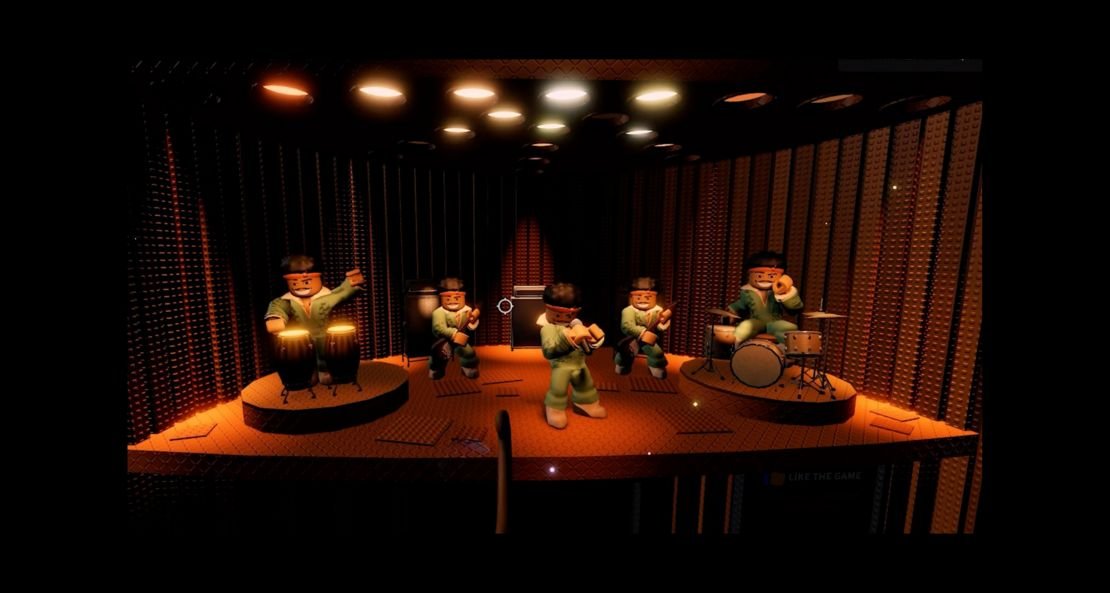
When 12.7 million people logged into a Roblox game called Steal A Brainrot to watch Bruno Mars perform, the spectacle wasn’t the seven-minute concert. It was the quiet admission that the music industry no longer gets to decide where culture happens.
Mars appeared over the weekend in what’s become one of the platform’s most successful experiments: a game built around collecting absurd, AI-generated characters with names that sound like they were spat out by a malfunctioning autocorrect.
Players steal these “brainrots” from each other in a chaotic digital free-for-all that’s peaked at 25 million concurrent users. The game launched eight months ago. Mars is its first celebrity collaboration.
This wasn’t a bespoke Bruno Mars experience with custom environments and branded merchandise.
His team identified an existing cultural phenomenon and slotted him into it. The strategy marks a shift from the Travis Scott approach, where Epic Games and the artist’s team spent months building Astronomical, a standalone Fortnite concert that reportedly cost millions.
Mars performed in someone else’s world, on their terms, using their aesthetic. The audience showed up because they were already there.
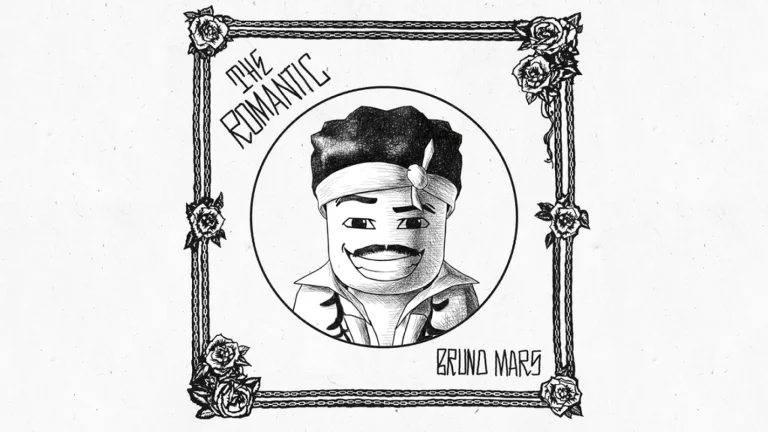
The concert itself was functional rather than groundbreaking. Mars performed “I Just Might“ from his forthcoming album The Romantic alongside “Locked Out of Heaven,” a track that’s been floating around Spotify playlists since 2012.
Players could unlock a limited-edition “Brunito Marsito” character that generates $3.5 million of in-game currency per second. The performance ended. Most players went back to stealing each other’s brainrots. The entire activation lasted one day.
What makes this interesting isn’t the execution. It’s the context. Steal A Brainrot exists because Gen Z and Gen Alpha have turned the concept of “brain rot”, Oxford’s 2024 Word of the Year, describing the mental deterioration from consuming low-quality digital content, into a fully gamified economy.
The game literalises the metaphor. You collect the thing that’s supposedly rotting your brain. You steal it from others. You trade it. You watch its value fluctuate. The irony is the point.
When Bruno Mars steps into that space, he’s not elevating it. He’s acknowledging that this is where attention lives now.
The game’s nearly 55 billion visits dwarf most music streaming numbers. Its aesthetic (deliberately unhinged AI-generated imagery that looks like a fever dream processed through a compression algorithm) represents the visual language Gen Alpha speaks fluently.
Mars doesn’t try to translate it into something palatable for people who remember MTV. He just shows up and performs.
This is what music marketing has become in 2026. Not building elaborate virtual worlds from scratch, but identifying where young audiences are already congregating and negotiating entry.
The Roblox strategy has shifted from “create a destination” to “infiltrate an existing one.” It’s cheaper. It’s faster.
It requires artists to accept they’re guests in someone else’s cultural space rather than architects of their own.
The implications ripple outward. If the biggest pop stars are now performing in games that satirise internet culture, what does that say about where cultural power sits?
The gatekeepers aren’t record labels or radio programmers anymore.
They’re 17-year-old game developers on Roblox who’ve accidentally built platforms bigger than most music festivals. Artists need their permission to access the audience, not the other way around.
Mars is promoting The Romantic, his first solo album in a decade. The Roblox concert exists alongside a massive stadium tour that added 31 dates due to overwhelming demand.
He’s working both lanes: the traditional touring infrastructure that still generates the bulk of music industry revenue, and the digital playgrounds where the next generation is learning what concerts even mean.
The tension between those two worlds defines how established artists stay relevant now.
The brainrot element can’t be ignored. Mars performed in a game whose entire premise is collecting memes that represent the supposed degradation of online culture.
He’s selling an album called The Romantic by appearing in a space that commodifies cultural nihilism.
The contradiction is almost too perfect. The man who built his career on throwback soul and carefully crafted nostalgia is now a limited-edition AI meme character worth millions of fake dollars in a virtual economy.
What’s changed isn’t whether artists do virtual concerts. Fortnite proved that model works years ago. What’s changed is the cultural landscape they’re entering.
When Travis Scott performed in Fortnite in 2020, the platform was establishing itself as a legitimate venue for live music.
When Mars performs in Steal A Brainrot in 2026, he’s stepping into a post-ironic hellscape where the audience is three layers deep in jokes about their own media consumption.
They know they’re rotting their brains. They’ve gamified the rot. Now they’re watching a Grammy-winning artist participate in the game.
The concert will be available through Friday for anyone who missed it the first time round. By then, the moment will have passed. Another trend. Another activation.
The game will still be there, still racking up billions of visits, still printing new brainrots for players to steal.
Mars will move on to the next marketing lever, the next platform where attention momentarily crystallises before dispersing again.
But the precedent is set. If you want to reach Gen Alpha, you don’t build them a world.
You show up in the worlds they’ve already built, on their terms, using their language.
Even if that language is deliberately nonsensical. Even if the aesthetic is designed to look like it melted in the sun.
Even if the entire premise is a joke about how all of this is rotting everyone’s brains anyway.
Music isn’t being sold to this generation. It’s being negotiated with them, in spaces they control, using rules they invented.
Bruno Mars understood that. Twelve point seven million players showed up to watch him figure it out in real time.
You might also like:
- Why Most Music Marketing Advice Gets It Wrong
- The Rise of Brainrot Slang: How TikTok’s Viral Lingo Took Over Pop Culture
- Top 30 TikTok Trends & Viral Songs of 2025
- How TikTok Viral Songs Dominated Charts in 2025
- Doja Cat’s Fortnitemares takeover signals gaming’s new era for pop stars
- 15 Old Songs That TikTok Resurrected Into Modern-Day Hits