
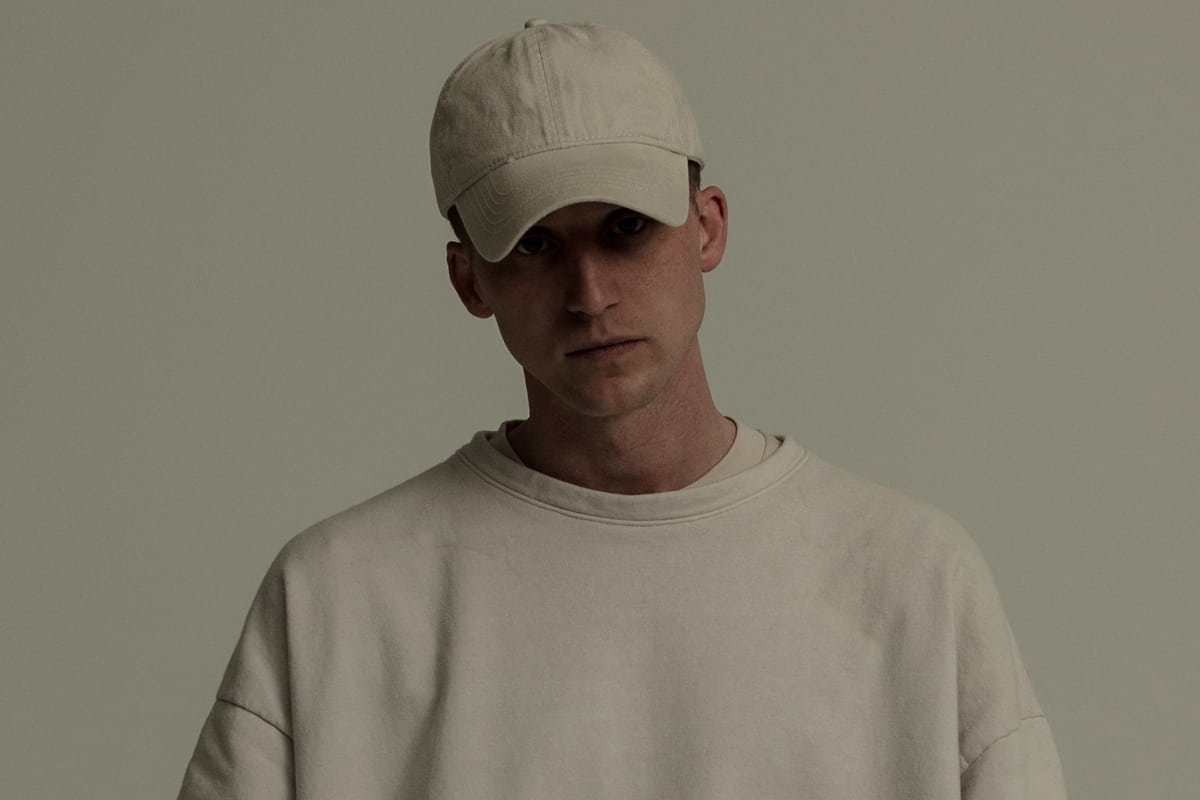
“Hope” by NF is a 2023 hip-hop song in which rapper Nathan Feuerstein puts himself face to face with thirty years of emotional dead weight, declaring that a different version of himself is now taking over.
Most listeners hear this as a pivot toward positivity. That misses what the song actually does. This isn’t NF making peace with the past. It’s a coup.
The song opens mid-argument, NF addressing his older self the way you would address someone who has held a leadership role too long and run the place into the ground. “Thirty years you been dragging your feet, telling me I’m the reason we’re stagnant.” The older self is not being consoled. He’s being replaced. When he says “I don’t want you to feel like a failure,” it doesn’t soften the blow. It sounds decided. Two years of public silence since CLOUDS (THE MIXTAPE), and when he returns, it is with a song about succession.
Produced by Tommee Profitt alongside NF and Jeff Sojka, the track moves like a film score. Profitt, whose background is in trailer music and orchestral composition, opens with plucked piano before lower-register cellos and bass strings start tightening the space beneath the melody. The staccato string hits that arrive later move with NF’s delivery, almost cueing each change in pace. When they surge in the final section, they are not punctuation. They are pressure.
NF’s flow does the same work. The first verse runs at a punchy, breathy pace over bare piano, each line landing with the precision of someone who has rehearsed this conversation too many times to stumble. He’s making a case. What does success mean to him? Not chart positions, not approval that evaporates the moment he changes direction. He describes it as creating something no one else can, staying loyal to your own vision even when it costs you money. For a rapper where mainstream hip-hop rewards the opposite, he means it without putting it on.
In the second verse he drops into an over-enunciated, rapid-fire delivery that makes the subject matter feel physically pressurised. Growing pains, he says, are a necessary evil. A mental breakdown is “a negative thing. Which on one hand, I agree with.” The pause built into that lyric is not there for effect. He sits with it before continuing: the breakdown was also the push that got him into therapy, into healing, into who he is now. Would that have happened without hitting bottom? He does not believe so. Suffering left alone spreads, and meeting it head-on is the only way it becomes something you can build on.
The music video, directed by NF and regular collaborator Patrick Tohill, gives the song a physical world. NF appears in white for the first time, stranded on a wooden raft in the middle of an ocean the video presents as his own mind. A black-clad version of himself arrives with a map, the same map NF was searching for on his 2019 album THE SEARCH, and leads him not to safety but into an abandoned mansion. The mansion goes back to his 2015 debut Mansion, where he first began working through his own psychological history on record. Being pushed through its roof by his darkest self is not a callback. It is a relapse.
Inside, different versions of himself wait in every room, each corresponding to a different era of his career. The shopping cart that has appeared across multiple videos, a recurring image for the baggage he has been pulling behind him, is here again. So are the black balloons from the Perception and THE SEARCH eras. The video version of the song samples the original “Mansion” and incorporates interpolations from “WHY,” “The Search,” and “HOPE,” pulling the new track back into the same sonic world it is trying to leave. The video version also features additional vocals from Fleurie, her voice sitting outside the argument rather than inside it.
The outro is where the song stops arguing and starts recounting. NF lists thirty years of pain in rapid, rhythmic succession: running, searching, hurting, fearful, angry, empty, ashamed, broken, hopeless, hollow, bitter, lonely. It sounds like someone emptying their pockets before crossing a border. Underneath him, a second voice tries to reclaim the narrative: “You’ll never evolve. We are not enough. You don’t have the heart.” NF responds not by dismissing it but by correcting the pronoun. “I know I can change. We are not the same.” The dark voice uses “we” to keep them fused. NF uses “I” to start pulling them apart.
Everything turns on one quiet line: “I gave you your chance to deliver. Now it’s my turn.” Profitt scores it with a string impact that lands on “turn” like a door closing. NF stands up in the video at this exact moment. Song, image, and production land on the same word at the same time.
Fatherhood, mentioned only in the outro, changes the stakes of everything before it. NF says he wakes up every day and holds his son, making sure he knows he is loved. His own experience of wondering whether his father would show up, of standing by windows waiting, is the thing he is actively dismantling. “Mama, I forgive you. I just don’t want him to grow up thinkin’ that he’ll never be enough.” That line is less about her than it is about breaking the chain. You cannot stop a cycle you are still blaming someone else for starting.
The song reached number 49 on the US Billboard Hot 100 and number 16 on the Hot R&B and Hip-Hop Songs chart, eventually going Gold in the United States, Canada, and Australia. New Zealand placed it at number 7. These aren’t niche numbers. They reflect an audience that grew with him.
“Hope” does not wrap things cleanly. The dark-painted face NF wears at the song’s climax, grinning while he lists his demons, is uncomfortable in a way the rest of the song earns. He is claiming the controls, not the cure. Knowing the difference is what makes this one of the most honest songs in his catalogue.
The reins are in new hands. What happens next is still being written.
You might also like: