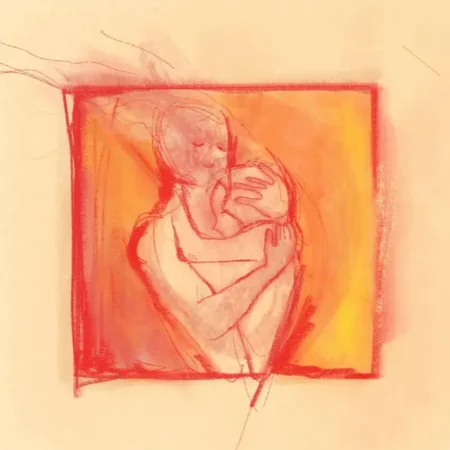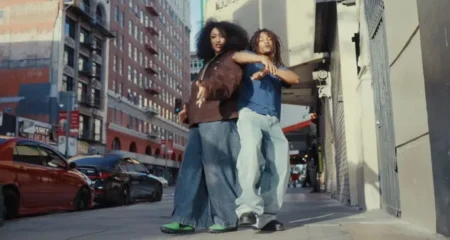


Seattle’s Joseph the Worker pares everything back on “Our Love Burned Incandescent”, a 2021 release that treats the end of a relationship not as rupture but as recognition. It’s a song about looking at something once overwhelming and finally seeing it clearly.
The opening line, “I’m okay with it that our love burned incandescent,” establishes the emotional thesis at once.
This was a love defined by intensity rather than longevity, bright enough to pull two people out of adolescence, yet always carrying the seeds of its own collapse.
When he sings that it was “doomed to go tar” and “fall and shatter,” the language feels deliberately industrial, as if romance has passed through heat, pressure, and residue rather than memory alone.
Vocally, Joseph delivers each line with a soft, unguarded restraint. There’s no attempt to dramatise the pain.
Instead, the phrasing drifts, almost weightless, allowing space for hesitation and self-correction.
That restraint makes moments like “I was just running away / like a frightened rabbit” land harder, exposing fear without self-pity.
You might also like:
- Exploring the Soulful Melodies: The Unique Charm of Indie Folk Music
- The Greatest Breakup Songs of All Time: Exploring Timeless Melodies
- Hallelujah by Haim: Meaning, Story & Lyric Breakdown
- Gracie Abrams Sold Out Review: A Haunting Call to Action
- Florence Road Storm Warnings: Love’s Dark Tempest
- Exploring The Heartfelt Layers: The Meaning Behind Lizzy McAlpine’s Ceilings Lyrics
The repeated insistence that “it was real love” becomes less a defence than a quiet insistence on truth, separating what mattered from what was invented around it.
The production mirrors this emotional economy. Acoustic guitar and minimal accompaniment
Even the later image of being “under the same brand of white fluorescence” feels deliberately sterile, suggesting two people sharing space but no longer intimacy, drifting instead toward the “planned obsolescence” of something that has already served its purpose.
What gives “Our Love Burned Incandescent” its weight is its refusal to romanticise regret. Lines like “I was lucky to know warm sweet presents” and “no, I don’t regret it, not even for a second” don’t read as closure clichés.
They sound earned, the conclusion of someone who has stopped negotiating with the past.
Joseph the Worker captures that rare emotional plateau where heartbreak settles into clarity, and memory becomes something you can hold without flinching.