
From Rebecca Black to Taylor Swift, 2025 delivered some of the most debated album releases in recent memory.
Search “biggest music flops of 2025” and you’ll find lists ranging from thoughtful analysis to lazy dunking. But the albums that underperformed in 2025 tell a more interesting story than simple failure.
The year brought a stark reminder that success in music exists on multiple planes. Streaming platforms celebrated records generating hundreds of millions of plays, whilst other releases from established artists found themselves in an uncomfortable position: praised by some, dismissed by others, and commercially struggling despite significant pedigree.
The question isn’t simply whether these 2025 album flops were “bad.” That reductive framing misses how we measure artistic achievement in an industry where critical acclaim, commercial viability, and audience connection rarely align.
The Disconnect Between Sales and Substance
Rebecca Black’s Salvation presents perhaps the most telling case study. The album arrived as a well-crafted dance-pop project that demonstrated genuine artistic growth from an artist who spent years rebuilding her reputation.

Critics who actually engaged with the music found a competent hyperpop-influenced record with tracks like “TRUST!” and “Sugar Water Cyanide” that held their own against similar work from more established names.
Yet the album appeared on multiple “worst of” lists, often with writeups that spent more energy making quips about “Friday” than seriously engaging with the material.
Fans on Reddit’s r/popheads defended the record as “well-made dance pop,” whilst major publications dismissed it as a “K-pop ripoff” lacking talent.
The commercial performance reflected this dismissive treatment: streaming numbers remained modest, and the album failed to chart significantly.
Was Salvation genuinely poor, or was Black’s past simply too heavy a burden for music journalists to look past? The uncomfortable question lingers.
When Legacy Becomes Liability
Tame Impala’s Deadbeat and Arcade Fire’s Pink Elephant tell similar stories from opposite ends of the artistic spectrum.

Both albums arrived from artists with substantial creative legacies. Both faced significant criticism. Yet neither can be dismissed as simple failures without acknowledging the more complex dynamics at play.
Kevin Parker’s fifth album under the Tame Impala moniker drew harsh assessments, with some reviewers calling it a “massive disappointment.”
The criticisms focused on mediocre songwriting, stale progressions, and occasionally pitchy vocals. Yet the album also generated “positive reception among many fans,” according to some critical assessments.
This split suggests something more interesting than a simply bad record: it points to diverging expectations between longtime followers and newer listeners, or perhaps between those who valued Parker’s earlier psychedelic rock sound and those open to his dance music evolution.
Arcade Fire’s situation proves even more fraught. Pink Elephant arrived burdened not just by artistic expectations but by the misconduct allegations surrounding Win Butler.
Separating the music from the context became impossible, yet some of the criticism felt less like musical analysis and more like an opportunity to settle scores.
Whether the album itself merited its placement among the albums that flopped in 2025 remains genuinely debatable.
Commercial Performance Versus Critical Reception
The streaming era has complicated how we define commercial success, making many of the album flops of 2025 harder to categorise.

Kesha’s Period didn’t register as a traditional chart-dominating release, yet its top-20 debut and strong sales reflected a different kind of success, one tied more to artistic reclamation than mass-market impact, even as individual tracks quietly found large audiences.
Taylor Swift‘s The Life of a Showgirl presents a more peculiar case. Swift’s commercial dominance makes any discussion of “underperformance” complicated, yet critics savaged the album with unusual venom.
Paste Magazine placed it at number three on their worst albums list, describing it as a “sterile exercise in self-mythologising” with “tradwife ethics.”
The criticism focused less on musical quality and more on what reviewers perceived as problematic messaging and artistic calculation.
Yet even Swift’s “failures” operate on a different scale. The album still generated significant streaming numbers and dominated conversations across social media.
The disconnect here isn’t between commercial success and critical reception but between Swift’s typical cultural dominance and a project that faced genuine critical hostility.
When an artist operates at Swift’s level, underperformance becomes relative: it’s not about failing to connect but about connecting less powerfully than expected.
Similarly, Alessia Cara’s Love & Hyperbole received strong critical acclaim for its vulnerability and artistic growth, yet its success was measured more through meaningful audience connection than traditional commercial dominance.

The 14-track neo-soul and pop project demonstrated artistic maturity, yet disappeared commercially almost instantly.
Here, critical appreciation couldn’t translate into sales or streams: a reminder that quality and commercial viability operate in separate economies.
Miley Cyrus‘s Something Beautiful offers another perspective. The album debuted at number four on the Billboard 200 with 44,000 first-week units, her lowest opening for a major release.
Yet it earned a Grammy nomination for Best Pop Vocal Album. Critics appreciated the artistic risks whilst audiences largely stayed away from the pop-rock experimentation.
Was this a flop or simply a case of an artist prioritising creative exploration over commercial concerns?
The Algorithm Doesn’t Care About Context
Morgan Wallen’s I’m the Problem generated some of 2025’s harshest critical assessments whilst simultaneously demonstrating the continued commercial viability of mainstream country music.
The 37-track behemoth faced accusations of being “generic,” “tasteless,” and filled with “toxic relationship dynamics.”
Yet it achieved significant streaming numbers, a reminder that Spotify’s algorithm rewards engagement over critical consensus.
What does this split reveal? Professional reviewers and casual listeners often value entirely different attributes. Critics see artistic cliché; fans find familiar comfort.
Reviewers identify problematic messaging; audiences hear relatable narratives. Neither perspective is objectively “correct”: they simply measure success using different criteria.
Wallen’s inclusion among the biggest flops in music this year depends entirely on whether you prioritise critical reception or commercial performance.
Artistic Intent and Audience Reception
Some 2025 releases struggled precisely because they successfully achieved goals that audiences didn’t particularly want.
Ed Sheeran’s Play drew criticism for being “too safe” whilst still debuting at number one in the UK with 67,000 first-week units.
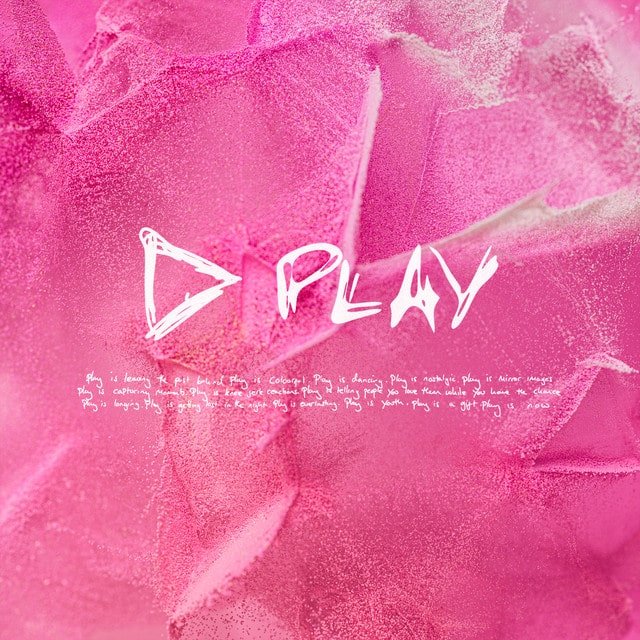
In the US, it opened at number five with 71,000 units: a career low, yes, but hardly a disaster in absolute terms.
Critics focused on the music being generic and dated, yet those qualities might have been precisely what Sheeran intended.
The album aimed for broad accessibility and inoffensive appeal. It arguably achieved both, even if those goals didn’t satisfy critics seeking innovation or risk-taking.
Doja Cat’s V presented the inverse situation. Critics praised the shift to an ’80s pop sound and called it “one of her most critically acclaimed albums.” Commercial momentum from her previous work?
Nowhere to be found. The album debuted at number four with 57,000 album units: a drop from earlier releases.
Artistic ambition and critical approval couldn’t compensate for the absence of the specific formula that made Doja a commercial force.
The Streaming Age’s Peculiar Economics
In 2025’s music economy, traditional measures of success have become increasingly unreliable. First-week sales matter less than sustained streaming performance.
Chart positions compete with playlist placements. Critical acclaim from traditional outlets holds different weight than TikTok virality or algorithmic playlist inclusion.
This creates situations where albums can simultaneously “flop” and succeed, depending on which metrics you prioritise. An album might generate impressive streaming numbers whilst failing to chart highly.
It might receive universal critical praise whilst selling fewer than 10,000 physical copies. It might dominate social media discourse whilst generating minimal radio play.
The Jonas Brothers’ Greetings from Your Hometown exemplifies this confusion. The album debuted at number six on the Billboard 200 with 39,000 first-week units, marking their eighth top-10 album whilst simultaneously becoming their worst-selling release.
The accompanying Jonas 20 tour proved hugely successful, yet the album itself failed to connect. Was this a commercial failure or simply a case of shifting consumption patterns where touring revenue matters more than album sales?
Redefining Failure in the Streaming Era
Perhaps the more interesting question isn’t which albums flopped in 2025 but rather how we define failure in contemporary music.
Commercial underperformance doesn’t necessarily indicate poor quality. Critical dismissal doesn’t prove an album lacks artistic merit. Modest streaming numbers might reflect niche appeal rather than objective weakness.
Benson Boone‘s American Heart faced criticism for being “perfectly pleasant” but lacking “idiosyncratic edge.”
This reads less like a damning indictment and more like a description of music doing exactly what it intends: providing accessible, inoffensive pop for audiences who want precisely that.
The album’s commercial performance suggests Boone found his audience, even if critics wished he’d aimed higher artistically.
Alex Warren‘s You’ll Be Alright, Kid received some of 2025’s harshest reviews, described as “a 21-track blur of beige uplift” and “music engineered to feel important without ever risking specificity.”
Yet Warren’s TikTok following and streaming numbers suggest he’s successfully identified and served a specific audience seeking exactly the kind of inspirational, faith-based pop the critics dismiss.
What This Means Going Forward
The albums that underperformed commercially or critically in 2025 reveal something uncomfortable: success has fragmented into dozens of parallel measures, each valid within its own context.
In an era where streaming dominates 92% of US music consumption, first-week sales tell an incomplete story.
Critical consensus matters less when algorithms curate listening habits. Chart positions compete with playlist placements for relevance.
Here’s the concrete reality: an album can flop commercially whilst achieving its artistic goals. It can receive critical praise whilst failing to connect with audiences.
It can generate modest streaming numbers whilst building a devoted fanbase willing to support artists directly.
The albums that struggle might not be failures at all, just records caught trying to satisfy audiences, critics, commercial expectations, and artistic ambitions simultaneously.
When we label something a “2025 album flop,” we’re revealing more about which metrics we’ve decided matter than about the music’s actual quality or impact.
The question isn’t whether these albums failed. It’s whether calling them failures says more about the records or about us.