
When Netflix released Stranger Things Season 4 in May 2022, nobody expected a 37-year-old Kate Bush song to dominate the global charts.
Yet Running Up That Hill surged to number one in eight countries, racked up over 8,700% increase in Spotify streams, and became the most-played song globally.
The track had finally achieved what it missed in 1985: a US Top 10 position, reaching number three on the Billboard Hot 100.
For Gen Z listeners born decades after the song’s release, Running Up That Hill became something entirely different from what Kate Bush originally intended.
Stranger Things didn’t just revive an 80s classic. The show fundamentally rewired how an entire generation hears the song.
The Original Meaning Nobody Knew
Kate Bush wrote Running Up That Hill in 1985 about gender dynamics and empathy between partners.
She described the song as exploring what would happen if a man and woman could swap places to understand each other’s experiences.
The record label thought the original title, “A Deal With God,” might upset religious people, so they changed it.
“It’s saying if the man could be the woman and the woman the man, if they could make a deal with God, to change places, that they’d understand what it’s like to be the other person,” Bush explained in a 1985 interview.
@discoxpogo The singular genius that is Kate Bush explains the premise behind her ‘Stranger Things’ (ducks for cover) smash hit, ‘Running Up That Hill’. Inspired by a recent move to England’s green and pleasant land and trying to decipher the mysterious nature of love, Bush made a deal with that old chap with the beard and arrived at one of her signature hits. Love is all you need. #katebush #80s #strangerthings ♬ original sound – Disco Pogo
The song peaked at number three in the UK and number 30 in the US. Critics recognised its innovation, but most casual listeners simply enjoyed the driving synth-pop sound without diving deep into the lyrics.
Max Mayfield and the New Context
Stranger Things Season 4 transformed Running Up That Hill into something far darker and more visceral.
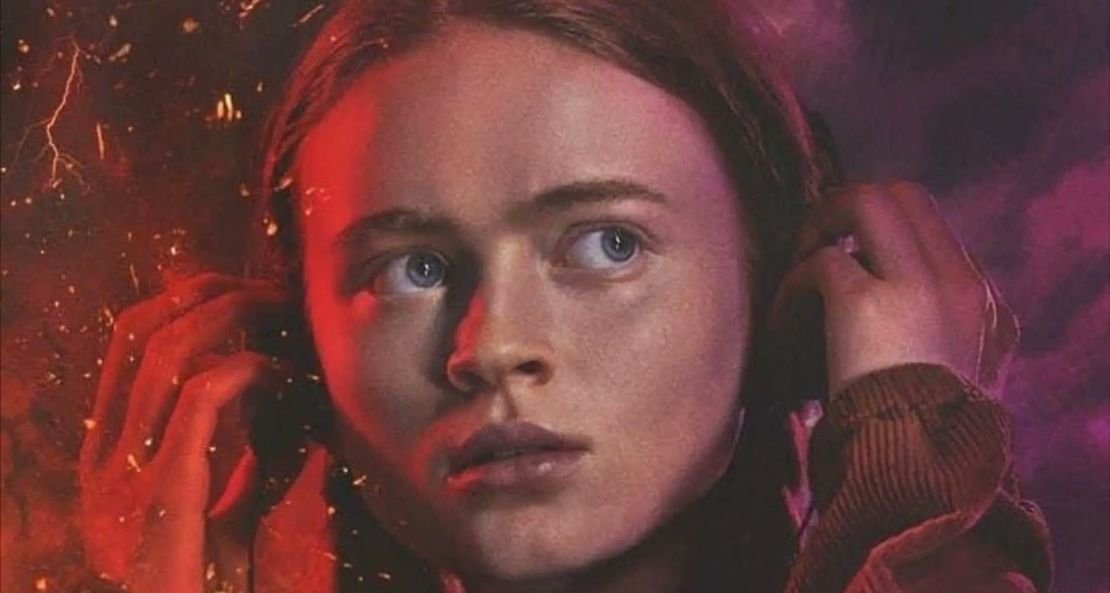
The show made the song Max Mayfield’s favourite track, her emotional anchor whilst dealing with crushing grief over her stepbrother Billy’s death.
Music supervisor Nora Felder fought to secure the song for the show, recognising its potential to mirror Max’s internal battle.
“Kate Bush’s lyrics can mean very different things to different people,” Felder told Variety. “In the face of Max’s painful isolation and alienation from others, a ‘deal with god’ could heart-wrenchingly reflect Max’s implicit belief that only a miracle of unlikely understanding and show of support could help her climb the hills of life before her.”
The show’s episode four, “Dear Billy,” features the season’s most powerful moment. Max falls under the psychic grip of Vecna, the season’s villain who preys on traumatised teenagers.
Her friends frantically play Running Up That Hill through her headphones. The song creates a lifeline back to reality whilst Max fights to escape Vecna’s curse.
Sadie Sink, who plays Max, hadn’t heard of Kate Bush before filming. She played the song on repeat during preparation. “Honestly, I can still listen to it today and I really like it,” Sink told Netflix’s Tudum.
Vecna as Mental Illness
Gen Z viewers immediately recognised what Stranger Things was doing. Vecna wasn’t just a supernatural monster. The show personified depression, trauma, and suicidal ideation through his character.
Every victim Vecna targets shows symptoms of PTSD: recurring nightmares, social isolation, emotional numbness, and intrusive memories.
Max exhibits clear signs of Major Depressive Disorder. She distances herself from friends, loses interest in activities she once enjoyed, and carries intense guilt over Billy’s death.
The scene where Max escapes Vecna became a metaphor Gen Z didn’t need explained. Social media filled with personal stories from young people who saw their own mental health struggles reflected on screen.
“I saw the scene as a metaphor for mental illness, for fighting the demons in your mind,” wrote one blogger who struggles with depression. “Watching Max manage to get the inner strength needed to fight back and escape from the demon, I couldn’t think of a better analogy for the battle you have as somebody suffering with mental health.”
Mental health professionals took notice too. A child psychiatrist wrote in Psychology Today about using the Max storyline to connect with young patients.
The scene gave therapists and teenagers a shared language for discussing depression and trauma recovery.
The Gen Z Interpretation
For Gen Z, Running Up That Hill stopped being about gender roles and relationship dynamics.
The song became about the fight against your own mind, the desperate need for connection when isolation threatens to consume you, and the power of loved ones to pull you back from the edge.
The lyrics took on new meanings. “If I only could, I’d make a deal with God” transformed from a wish to swap gender roles into a plea for relief from mental anguish.
Max wishes she could swap places with Billy. She’d make any deal to escape her guilt and grief.
“It’s you and me” became about the bond between Max and her friends. The repeated phrase “running up that road, running up that hill” mirrored the exhausting daily battle against depression.
Music supervisor Felder noted how the song captures “emotional disconnection between Max and Lucas and her friends. It’s the spiritual power of love that allows us to step into the shoes of those who matter to us, that helps us run up those hills in life.”
TikTok and the Viral Explosion
The Stranger Things effect spread rapidly across TikTok. Users created over 4.4 million videos using Running Up That Hill, generating more than 20 billion views.
Some TikToks recreated the Max rescue scene. Others featured first-time reactions to the song.
@0li_137 I wish i could go back watch this epsiode for the first time 🔥 #strangerthings #vecna #katebush #runningupthathill #fyp #foryou #strangerthingsedit ♬ original sound – Oli
Many Gen Z creators shared clips showing their parents’ excitement that “their” music was finally getting recognition.
The platform became a bridge between generations. Millennials and Gen X fans experienced nostalgia for their youth. Gen Z discovered 80s music through an imagined nostalgia for a decade they never experienced.
Kate Bush herself recognised the cross-generational appeal. “I’ve also for the last seven years been dropping hints on set wearing my Kate Bush T-shirts,” said Winona Ryder, who had pushed to include Bush’s music in the show.
The Cultural Shift
The song’s resurgence broke records. Running Up That Hill gave Bush her first UK number one since Wuthering Heights in 1978, making her the solo artist with the longest gap between two number-one singles. At 63, she became the oldest female artist to achieve a UK number one.
The 37 years it took to reach number one was also a record. The song surpassed one billion Spotify streams by June 2023.
Following Stranger Things Season 5’s premiere in November 2025, which used the song again, it surpassed 1.5 billion streams.
“Running Up That Hill (A Deal With God)” by Kate Bush jumps 37 spots to #33 on the global Spotify chart with 2.049 million plays. pic.twitter.com/YxDxL9aCL6
— Pop Crave (@PopCrave) December 28, 2025
For Gen Z, Running Up That Hill became more than just a Stranger Things song. The track entered the cultural consciousness as shorthand for mental health struggles, the importance of support systems, and the healing power of music.
“The next generation’s embrace of the song proves how powerful music can be, and how timeless a great song can be,” Felder told Variety. “It’s a testament to Kate’s incredible songwriting and artistry.”
Music as Lifeline
Stranger Things demonstrated something Gen Z already knew: music can be a literal lifeline during mental health crises.
The show validates what many young people experience when they create playlists for different moods, use certain songs to calm anxiety, or return to familiar tracks when depression hits.
Robin’s discovery in the show that music breaks Vecna’s curse mirrors real psychological research on music therapy.
Music therapy helps people with PTSD, depression, and anxiety by providing emotional regulation and grounding during difficult moments.
Max carries her Walkman everywhere after her initial encounter with Vecna, constantly playing Running Up That Hill as protection. Young viewers recognised this behaviour.
Many Gen Z listeners never go anywhere without headphones, using music as their own shield against overwhelming thoughts and feelings.
You might also like:
- The Emergence of Nostalgia In TV And Film
- Fleetwood Mac’s Everywhere: How a 1980s Hit Became a 21st Century Phenomenon
- Hush, Hush: The Story and Meaning Behind ‘Til Tuesday’s “Voices Carry”
- NF’s “FEAR” Lyrics: A Raw Look at Mental Health
- Interpreting the Meaning Behind Kate Bush’s Running Up That Hill Lyrics
The Broader Mental Health Conversation
Stranger Things Season 4 arrived at a moment when Gen Z was already having frank conversations about mental health.
The generation reports higher rates of anxiety and depression than previous generations, partly because they’re more willing to discuss these issues openly.
The show gave them another cultural touchpoint. Max’s storyline provided a way to talk about trauma, survivor’s guilt, and depression without clinical terminology. The Vecna metaphor made abstract concepts concrete.
“This season and Kate Bush’s song really seem to touch on the experience of alienation and emotional struggle that a lot of teens have been and continue to be going through,” Felder explained. “When we can’t find the support and understanding we may need from others, we sometimes turn to music that relates to our experience as a much needed source of validation and strength.”
Kate Bush’s Response
Bush, famously private and selective about media appearances, broke her silence to discuss the song’s resurgence. In a rare interview with BBC Radio 4, she expressed amazement at the phenomenon.
“It’s such a great series, I thought that the track would get some attention. But I just never imagined that it would be anything like this,” Bush said. “It’s so exciting. But it’s quite shocking really, isn’t it? I mean, the whole world’s gone mad.”
When Running Up That Hill reached one billion streams on Spotify, Bush shared a poetic response: “I have an image of a river that suddenly floods and becomes many, many tributaries—a billion streams—on their way to the sea. Each one of these streams is one of you.”
The Legacy Shift
Stranger Things fundamentally altered Running Up That Hill’s cultural legacy. The song will forever carry both meanings: Bush’s original exploration of gender empathy and Gen Z’s interpretation as a mental health anthem.
This dual identity doesn’t diminish either interpretation. Instead, it demonstrates the power of great songwriting to evolve with new contexts.
Bush’s emotionally raw lyrics and innovative production proved flexible enough to support entirely different meanings. Rolling Stone recognised this timeless quality by ranking it among the 500 Greatest Songs of All Time.
The Duffer Brothers chose wisely. They could have picked any 80s song for Max’s storyline. But Running Up That Hill’s themes of connection, understanding, and making deals with forces beyond our control perfectly suited a story about a teenager fighting her own mind.
Why It Still Resonates
Gen Z faces challenges previous generations didn’t: social media comparison culture, climate anxiety, economic uncertainty, and a global pandemic during formative years.
Running Up That Hill spoke to this generation’s specific struggles whilst also tapping into timeless human experiences of grief, isolation, and the need for connection.
The song’s production, with its driving rhythm and ethereal synths, matched the intensity of the Stranger Things scene. Bush’s vocal performance conveys both vulnerability and strength.
The repetition of “running up that road, running up that hill” captures the relentless nature of mental health battles.
Like many songs that help people cope with loneliness and emotional pain, Running Up That Hill became a source of comfort for those struggling.
For many Gen Z listeners, Running Up That Hill became their first exposure to Kate Bush’s work.
The song served as a gateway to her entire catalogue, introducing a new generation to one of music’s most innovative artists.
Similar to how other 80s classics found new audiences through modern media, Bush’s resurgence demonstrated the timeless quality of well-crafted songwriting.
The Power of Context
Stranger Things proved that context can completely transform how we hear music. Gen Z didn’t just rediscover an old song. They discovered their song, one that spoke directly to their experiences despite being written before they were born.
This phenomenon isn’t unique to Running Up That Hill. Guardians of the Galaxy did similar magic for classic 70s tracks. But the Stranger Things moment felt different because of how deeply the song integrated into the story’s emotional core.
Max doesn’t just like Running Up That Hill. The song literally saves her life. That narrative weight gave Gen Z permission to invest the same significance in music they turn to during difficult times.
Moving Forward
Running Up That Hill’s resurgence demonstrates music’s ability to speak across generations whilst taking on new meanings for each era. Kate Bush wrote a song about empathy in relationships. Gen Z hears a song about empathy for people fighting invisible battles.
Both interpretations celebrate the same core value: the importance of understanding what someone else is going through, of stepping into another person’s shoes, of recognising that everyone faces struggles we might not see.
Like many songs whose meanings have shifted or been reinterpreted over time, Running Up That Hill shows how great art transcends its original context.
Stranger Things gave Gen Z their anthem. They took it, made it their own, and in the process, introduced millions of people to Kate Bush’s genius. The song’s meaning evolved, but its power remained constant.
“Running Up That Hill” continues climbing charts whenever Stranger Things releases new content. The song has transcended both its original 1985 context and its 2022 revival. It exists now as a living piece of music that grows with each generation that discovers it.
For Gen Z, Running Up That Hill will always mean fighting to stay alive when depression threatens to pull you under.
It means the friends who refuse to let you face darkness alone. It means the music that grounds you when reality feels too heavy.
Kate Bush might not have set out to write a mental health anthem. But Stranger Things and Gen Z found that meaning in her words.
And that transformation, that evolution of meaning across decades, is exactly what great art should do.