

The professionals won’t admit they’re using it. The platforms won’t guarantee you own it. The numbers don’t lie about the scale.
Rick Beato just declared the AI music race finished. A music attorney warns creators face legal landmines. Nashville songwriters quietly swap studio sessions for Suno prompts. Meanwhile, the platform cranks out 7 million tracks every single day.
The truth nobody wants to say out loud? AI music already won. The fight’s over. What remains is a messy aftermath of adoption, denial, and zero legal certainty.
The Professionals Using AI (But Never Admitting It)
Beato’s recent video dropped a bomb that most people missed. Professional songwriters across the industry now use AI tools. Not experimental hobbyists. Not bedroom producers. Professional hitmakers with publishing deals and roster spots.
They told him privately. Some admitted it on camera. They use Suno for music creation. They use Claude and ChatGPT for lyrics and production ideas. They use AI to finish songs they started with real instruments.
Nashville writers provide the most telling example. Instead of booking expensive demo sessions with professional session players, they drop their acoustic guitar recordings into Suno. The platform spits out radio-ready arrangements with professional-sounding vocals. Then they pitch those AI-assisted demos to actual human artists.
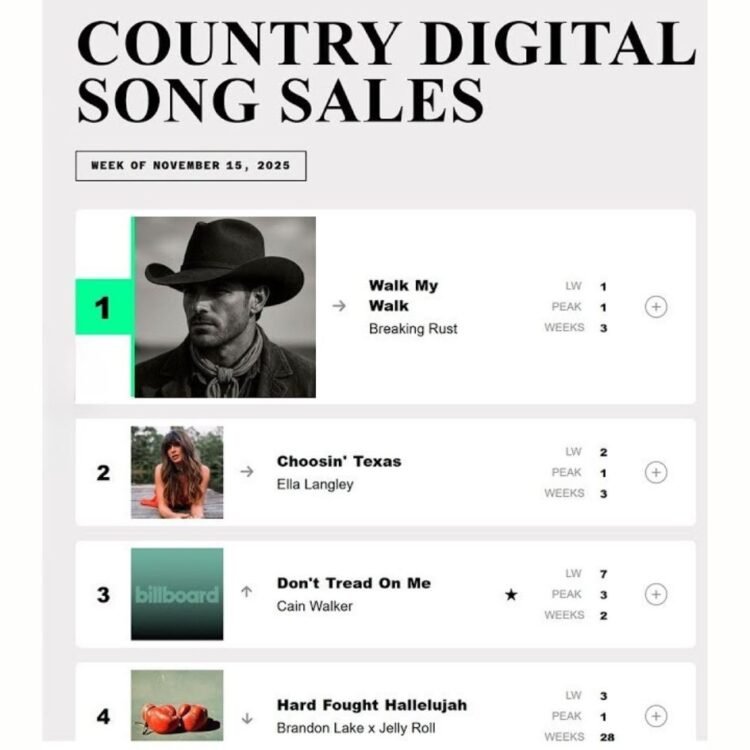
This mirrors what happened with Breaking Rust’s AI-generated country hit, which exposed how predictable and algorithmic modern country music already was. The AI didn’t hack the system. It just proved the formula existed all along.
The songwriters who spent decades honing their craft now compete against tools that generate finished tracks in minutes. They adapt or they lose relevance. Most choose adaptation while maintaining public silence about their methods.
The Numbers That Tell the Real Story
Suno sits at number four in music app downloads. Only Spotify, YouTube Music, and Shazam rank higher. The platform claims 141,000 user reviews compared to competitor Udio’s mere 1,200. That’s not a close race.
A Wall Street Journal article reported Suno raised $250 million and hit $200 million in annual revenue. Even accounting for startup exaggeration, they’re printing money.
But here’s the number that should terrify traditional creators: Suno generates 7 million new tracks every single day. Not every week. Not every month. Daily.
Human creators can’t compete with that volume. They never could. The flood of AI slop already clogs streaming charts, diluting royalty pools and burying organic music under algorithmic noise.
Artists like Xania Monet rack up 1,300 radio plays across three months. That translates to one play every nine minutes and 44 seconds somewhere in the world. All from an AI creation.
The platform launched Hooks in September, a TikTok-style feature where users pair short videos with Suno songs. Beato’s daughter called it “TikTok except boring,” but videos there already pull hundreds of thousands of plays. The engagement numbers work regardless of creative merit.
The Legal Nightmare Nobody Talks About
Here’s what Top Music Attorney Miss Krystle hammered home in her response to Beato’s video: not a single AI music platform guarantees your output contains fully cleared music.
You generate a track. It sounds original. You distribute it through DistroKid or another service. It gets plays. Then someone like Jorja Smith (11 million monthly Spotify listeners) and her label come knocking. They demand royalties because your viral AI track sounds suspiciously like her music.
The AI company won’t pay your legal bills. They won’t indemnify you against copyright claims. Their terms of service probably bury disclaimers about this exact scenario. You created the track. You distributed it. You own the liability.
The Udio lawsuit settlement with UMG and the Warner Music Group deal with Suno don’t solve this problem for individual creators. Those deals protect the platforms through licensing arrangements. They don’t retroactively clear every track users already generated from unlicensed training data.
Miss Krystle’s warning bears repeating: “These AI companies aren’t going to pay your legal bills when you get sued, when someone comes after your thing that becomes successful because it just so happens to contain someone else’s voice, someone else’s music.”
The risks compound when creators try monetising AI music. Platforms like Spotify accept AI-generated content, but the royalty pool operates on a zero-sum model. Every AI track taking a fraction of a cent removes that money from human creators. Michael Lewan from the Music Fights Fraud Alliance told NBC News that artificial streaming poses a bigger threat to music’s integrity than AI itself.
The Disclosure Problem That Won’t Go Away
A recent Ipsos survey commissioned by Deezer revealed 97% of listeners couldn’t distinguish between human-made and AI-generated songs in blind tests. Quality reached the point where detection became nearly impossible for average consumers.
This creates a different problem: the duped listener effect. People feel betrayed when they discover a track they loved came from AI rather than a human artist. They thought they connected with someone’s authentic experience. Instead, they connected with pattern recognition algorithms remixing training data.
Artists like J. Cole already warned about this future. In his track “cLOUDs,” he painted a dystopian picture where music gets stripped of soul and reduced to algorithms generating hits based on engagement metrics.
The question of whether AI music needs separate platforms and charts keeps coming up. Should AI tracks compete directly with human-created music for playlist spots, radio airplay, and chart positions? Or does the technology require its own distribution channels to maintain fairness?
Right now, the answer defaults to complete integration. AI music floods the same Spotify playlists, radio stations, and Billboard charts as human music. Listeners can’t always tell the difference. Labels increasingly don’t care about the distinction if the numbers perform.
The “Wild West” That Already Ended
Reddit’s r/SunoAI community reacted with resignation to news of the Warner Music Group partnership. One user wrote: “The Wild West of AI music is over. It was an incredible ride and we’ll see it again one day, with the next new disruptive tech.”
The Suno-WMG deal isn’t a merger or acquisition. Suno signed a partnership and lawsuit settlement that lets them keep operating “on label-approved rails.” Users maintain creative control, but Warner provides oversight. The existing platform will shift to a new model with different terms of service.
Features will include the ability to create music “in the style of participating UMG artists.” Drake AI. Ed Sheeran AI. Bruno Mars AI. Beato predicted this two years ago: “There’s going to be Drake and then Drake AI. There’s going to be the Beatles and then the Beatles AI.”
Users expressed concern about corporate partnerships killing the experimental freedom the platforms initially offered. Others pointed to Chinese AI models and locally-run open-source alternatives as the next frontier where restrictions won’t apply.
The pattern repeats across technology: regulation follows disruption. The companies that moved first (Suno, Udio) now face the choice between legal battles or corporate partnerships. Most choose partnerships. The Wild West period always ends when the money gets big enough.
What Actually Matters Now
Beato argues Suno already won the AI music race because they built the most viable platform. They focused exclusively on music instead of trying to achieve AGI or tackle every possible AI application. The narrow focus produced better results than competitors attempting everything at once.
His perspective misses a larger point: nobody wins when the entire system shifts beneath everyone’s feet. Professional songwriters lose when they can’t compete with volume. Listeners lose when they can’t trust what they hear. Independent artists lose when AI slop dilutes their royalty pools.
The platforms win. The major labels win through licensing deals. Everyone else navigates uncertainty.
Musicians using AI face a choice: disclose or hide their process. Disclosure risks audience rejection. Hiding risks audience betrayal when the truth emerges. Neither option feels good.
The technology won’t disappear. The volume won’t decrease. The legal clarity won’t magically arrive. What remains is adaptation to a new reality where music creation democratised to the point of meaninglessness, and the ability to generate thousands of tracks matters more than the ability to craft one great song.
Beato’s old guy at his live show summed it up best. He thanked Beato for introducing him to Suno because he’d written poetry and songs his whole life but never had a way to turn them into actual music. For him, AI solved a real problem.
For the Nashville songwriter who told Miss Krystle he’s “resisting Suno for as long as humanly possible,” AI creates an existential threat. Same technology. Completely different experiences.
The race might be over, but the fight over what winning actually means just started.
You Might Also Like:
- Breaking Rust AI Exposed Country Music’s Algorithm
- AI Songs Top Charts: Breaking Rust & the Rise of AI Slop
- Xania Monet: AI Artist Clocks 82 Hours on Global Radio
- Cole’s cLOUDs: A Reflection on AI, Greed, and the Future of Hip-Hop
- The Most Streamed Songs on Spotify (2025 List Updated)
- How TikTok Viral Songs Dominated Charts in 2025