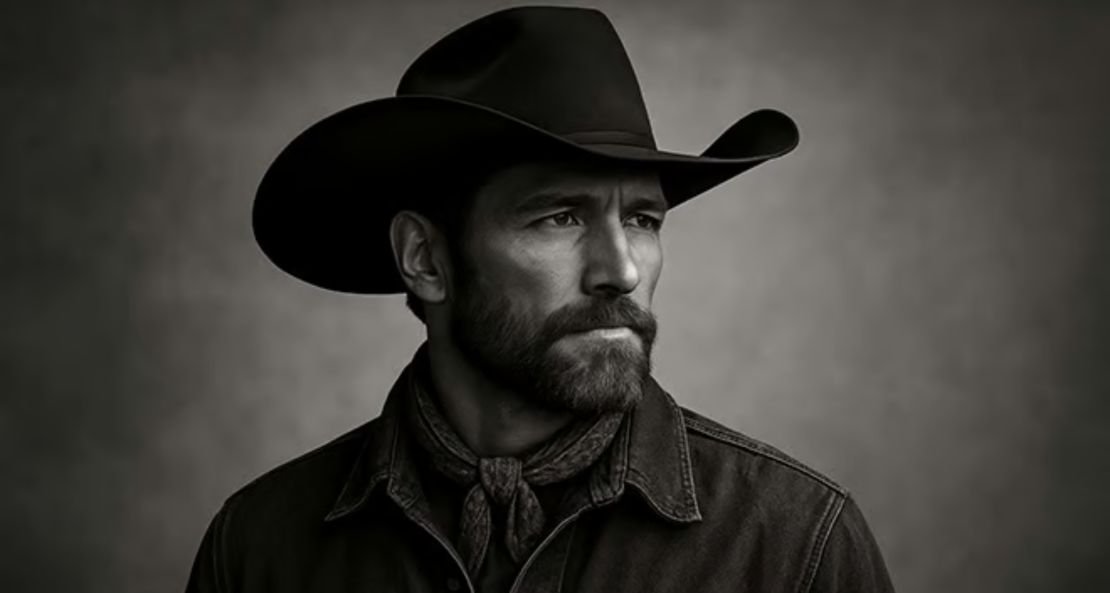
A computer program calling itself Breaking Rust just did what Zach Bryan, Lainey Wilson, and Riley Green never managed: hit number one on Billboard’s Country Digital Song Sales chart.
The song “Walk My Walk” racked up millions of streams, spawned thousands of social media posts, and triggered an industry-wide existential crisis.
Country music purists screamed bloody murder. Think pieces flooded the internet. Artists demanded answers.
But here’s the uncomfortable question nobody wants to ask: what if Breaking Rust isn’t the villain in this story?
What if the real scandal isn’t that AI created a chart-topping country song, but that country music became so predictable, so data-driven, so algorithmically optimised that a machine could reverse-engineer the formula in a matter of weeks?
The Authenticity Myth Just Died in a Server Farm
Leslie Fram from FEMco called it “the ultimate shortcut to stardom: no late nights in smoky bars, no raw vulnerability poured into lyrics, just algorithms crunching data to mimic the twang of authenticity.” Artists demanded Billboard take action. The outrage machine went into overdrive.
These reactions reveal something fascinating: country music’s defenders believe authenticity separates their genre from everything else. They argue you can’t manufacture the soul of country music.
Breaking Rust just proved them catastrophically wrong.
The AI studied the patterns, analysed the chord progressions, mapped the lyrical themes. Then it generated “Walk My Walk,” a song that sounds indistinguishable from what you’d hear on country radio any Tuesday afternoon. The deep, guttural drawl. The minimalist instrumentation. The rugged cowboy aesthetic.
Thousands of listeners couldn’t tell the difference. More importantly, they didn’t care once they found out.
YouTube comments gush about how “underrated” Breaking Rust is. The song went viral not because people thought it was AI, but because it hit all the right notes a country song should hit.
Nashville Already Weaponised the Algorithm
Here’s where the conversation gets messy. Country music acts horrified that a computer figured out the formula, but the industry spent the last decade perfecting that exact formula using human labour.
Modern country radio doesn’t play songs because they’re good. It plays songs because they test well with focus groups.
Songwriters don’t craft lyrics from the heart anymore; they workshop hooks in co-writing sessions designed to maximise streaming potential. Producers don’t chase interesting sounds; they chase what Spotify’s algorithm rewards.
Morgan Wallen currently occupies the top four slots on Billboard’s Hot Country chart. Not because he’s four times more talented than everyone else.
Because the industry machine knows how to replicate success. Same vocal processing. Same drum patterns. Same lyrical themes about trucks, beer, and Saturday nights.
Breaking Rust didn’t invent the country music algorithm. It just automated what Nashville’s been doing manually for years.
Kyle Coroneos from Saving Country Music nailed it: “Why are no artists breaking out? One reason is likely because many record labels are heavily investing in AI themselves as opposed to spending that effort and capital to break actual, human artists.”
The labels already know the secret. They’ve been running the numbers, testing the formulas, optimising the product. Breaking Rust simply proved you don’t need the expensive middlemen anymore.
The Digital Sales Chart Exposes Everything
Let’s talk about what actually happened here. Breaking Rust topped the Country Digital Song Sales chart with approximately 2,500 downloads. Not 250,000. Not 25,000. Two thousand five hundred.
TIME magazine correctly pointed out that “Walk My Walk” isn’t America’s top country song. It doesn’t appear on streaming charts. It didn’t dominate radio. It gamed one specific metric that most people forgot existed.
But here’s the thing: human artists have been gaming this exact chart for years. Digital sales charts became so easy to manipulate that Billboard had to implement multiple policy changes to prevent exploitation. Breaking Rust just followed the playbook everyone else uses.
The real story isn’t AI corruption. It’s that Billboard maintains charts so meaningless that 2,500 purchases can make you number one.
The real story is that the entire charting system values virality over quality, controversy over craft, algorithmic gaming over artistic merit.
Breaking Rust didn’t break the system. The system was already broken. AI just exposed the cracks.
What If Fans Actually Want This?
Country music’s defenders keep insisting listeners crave authenticity, that AI can never replicate genuine emotion.
Breaking Rust’s numbers suggest otherwise.
Over 2.6 million monthly listeners on Spotify. 1.9 million YouTube views on the videos so far. Most of those people either don’t know or don’t care that a computer made it.
Jason Palamara from Indiana University said the AI origin was obvious on first listen. But the comments section tells a different story. Fans love it. They want more. They’re not demanding biographical details or proof of authenticity.
They just want songs that make them feel something.
Maybe that’s the part nobody wants to admit. Maybe modern music consumption has nothing to do with the artist’s journey and everything to do with three minutes of dopamine.
Maybe streaming culture already trained listeners to care more about the vibe than the human behind it.
The Industry Created Its Own Replacement
Masters of Prophecy, another AI music project, has 35.9 million YouTube subscribers. Its creator, James Baker, openly discusses the project.
He told NBC News: “For every critic, there’s 20 positive comments. There was definitely a wave of AI music hate that was tough psychologically to make it through. But for the most part people have started adapting to it.”
People are adapting because AI music fills a void the industry created. Labels stopped investing in artist development. They stopped taking risks on unique voices. They optimised everything for quarterly earnings and chart performance.
Country music romanticises the struggling artist grinding it out in dive bars, but the modern industry doesn’t reward that anymore.
Charley Crockett releases albums at an absurd pace and barely cracks 1.4 million monthly Spotify listeners.
Colby Acuff pours his soul into his work and gets 1 million monthly listeners. Breaking Rust, a computer program, gets 2 million.
That’s not AI’s fault. That’s the result of an industry that values consistency over creativity, algorithm optimisation over artistic risk, safe bets over bold statements.
The Real Question Nobody’s Asking
Billboard identified at least six AI or AI-assisted artists charting in recent months. That number probably skews low because determining what counts as AI gets murkier every day.
Randy Travis, a country legend who lost his voice to a stroke, released a new song using AI to recreate his vocals. The industry debated whether that counted as authentic. But Travis wrote the song, owns the voice being replicated, gave consent.
Breaking Rust offers none of that. Just a mysterious figure named Aubierre Rivaldo Taylor who might not even exist, pumping out tracks weekly.
The question isn’t whether this is morally acceptable. The question is: what does it say about country music that a computer can do this so easily?
What does it say that the genre built on storytelling and emotional truth can be replicated by pattern recognition?
The Future Already Arrived
Tennessee passed legislation banning deepfake technology that imitates existing artists. But Breaking Rust doesn’t imitate anyone. It creates content that sounds generically country. No law prevents that.
Spotify announced new protections for artists and songwriters. But streaming services already profit from AI content. It’s cheap to produce, requires no advances, demands no royalties, generates clicks.
The economic incentives point one direction: more AI music, not less.
Country music can either adapt or watch the algorithm take over completely. Artists can scream about authenticity while computers optimise their way to the top of the charts. Or the industry can ask harder questions about why the formula became so easy to crack in the first place.
Breaking Rust didn’t destroy country music’s soul. Nashville did that already, one focus-grouped chorus at a time. The AI just proved you don’t need human beings to run the machine anymore.
The machine was always the point.
You might also like:
- J. Cole’s cLOUDs Lyrics Meaning and Review: A Reflection on AI, Greed, and the Future of Hip-Hop
- The 30 Most Controversial Country Songs That Changed the Genre
- Can’t Stop the Twang: Top Country Songs Ruling the Charts in 2024 (So Far)
- Shaboozey A Bar Song (Tipsy): A Country-Rap Fusion That’s Shaking Up the Charts
- Decoding Last Night: An In-depth Analysis of Morgan Wallen’s Lyrics
- Morgan Wallen Reflects on His Biggest Hits in New ‘Billions Club’ Series