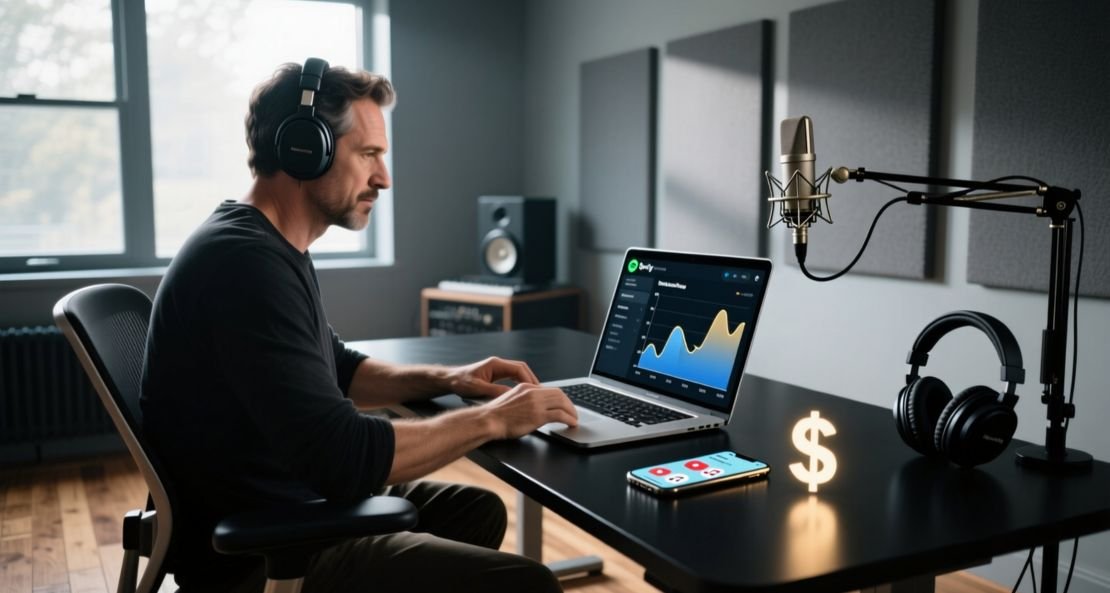
The streaming payment landscape in 2025 tells a story about power, access, and what “fair compensation” actually means.
Musicians now face a market where per-stream rates span from $0.00069 to $0.03, but the platforms paying the most often matter the least for building an actual career.
One important note upfront: All major streaming platforms offer essentially the same core functionality. You’ll find the same major releases, similar playlist features, and comparable user experiences across services.
The differences come down to per-stream payouts, audio quality options, and broader ethical concerns about where your money goes. Don’t expect radically different features between platforms.
The Surprising Leader Nobody Can Use

Peloton pays roughly $0.03 per stream. Yes, the exercise bike company. Their curated music catalogue only reaches subscribers pedalling through workouts on their equipment.
Artists need approximately 34,000 streams to hit $1,000 on Peloton, compared to 285,000 streams on Spotify to earn the same amount.
The catch? Getting your music onto Peloton’s platform requires specific licensing deals and fits within their workout-focused curation.
Distribution services like DistroKid and CD Baby don’t automatically place music on Peloton. Most working musicians will never see a single Peloton stream.
The Realistic High Payers
For artists who can actually access them, these platforms offer the best per-stream rates in 2025:
Napster: $0.019-$0.021 per stream. The former piracy platform now pays artists more than any mainstream service. Around 50,000 streams generate $1,000.
The service operates entirely on paid subscriptions with no free tier, which explains the higher payouts. However, Napster’s limited user base means fewer total streams for most artists.
Critical caveat: Napster faces multiple lawsuits in 2025 over unpaid royalties. Sony Music filed suit over unpaid streaming royalties, and Sound Exchange (the organisation that collects royalties for artists) sued both Napster and Sonos for similar issues.
While the platform shows high per-stream rates on paper, ongoing legal disputes about actually paying those royalties raise serious questions.
Until these cases resolve, artists should approach Napster with caution despite the attractive numbers.
Qobuz: $0.0136 per stream. This French audiophile service focuses on lossless audio and attracts listeners willing to pay premium prices. Artists need roughly 74,000 streams to reach $1,000. The platform’s small audience limits exposure.
What sets Qobuz apart: you can actually purchase music outright instead of just streaming it. If you’re passionate about a specific album or artist, buying directly through Qobuz puts significantly more money in their pocket than streaming ever will.
The platform also features editorial content and reviews, positioning itself as a destination for serious music fans rather than background listening.
Higher subscription cost than mainstream services, but you get lossless audio quality and the option to own what you’re hearing.
Tidal: $0.0125-$0.0133 per stream. Jay-Z’s service positions itself as artist-friendly, requiring 76,000-80,000 streams for $1,000 in earnings. Tidal’s HiFi subscription model drives higher payouts, but its market share remains modest compared to industry leaders.
Apple Music: $0.007-$0.01 per stream. Apple’s premium-only model (no free tier) generates better rates than most competitors. Artists need approximately 100,000-125,000 streams for $1,000.
Apple Music’s 100 million subscribers and integration with Apple’s ecosystem make it more accessible than niche platforms.
The platform offers solid curation, decent audio quality, and relatively less AI content compared to Spotify. However, Apple faces ongoing criticism for exploitative mineral sourcing in their hardware manufacturing and recent allegations about employee donations to controversial causes. No major tech company operates without ethical baggage, but these concerns exist.
The Volume Players
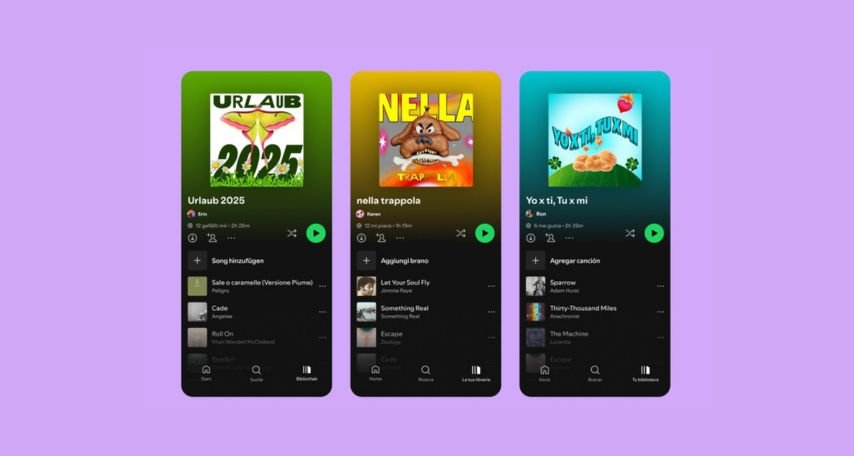
Spotify: $0.003-$0.005 per stream. The platform everyone uses pays the least. Artists need roughly 230,000-285,000 streams to earn $1,000. Spotify’s 2025 policy requires tracks to hit 1,000 annual streams before generating any royalties at all.
The platform faces mounting criticism beyond low payouts. CEO Daniel Ek’s investment of over $100 million in Helsing, an AI-powered military technology company, sparked backlash.
Spotify also paid Joe Rogan over $200 million for podcast exclusivity while maintaining poverty-level artist payouts. The platform’s aggressive promotion of AI-generated “ghost artists” floods playlists with synthetic content that undercuts human musicians.
Despite all this, Spotify’s massive reach (626 million users globally) and algorithm-driven discovery tools make it essential for building audiences.
A viral playlist placement can generate millions of streams that dwarf what artists earn on higher-paying services. The platform remains necessary evil territory for most working musicians.
Amazon Music: $0.004-$0.0096 per stream. Payouts vary wildly depending on whether listeners use the limited Prime Music service or Amazon Music Unlimited. Artists need 104,000-250,000 streams for $1,000.
Amazon Music shows surprisingly competitive rates, but subscribing means supporting one of the most monopolistic corporations on the planet.
Amazon’s predatory business practices, worker exploitation, and market dominance across multiple industries raise questions about where your subscription money ultimately goes. The music service itself functions adequately, but the broader corporate context matters.
YouTube Music: $0.00069-$0.008 per stream. The range depends on whether plays come from free users watching ads or YouTube Premium subscribers. Artists typically need 125,000-1.4 million streams to reach $1,000, depending on the listener source.
YouTube Music connects to Google’s broader ecosystem, which means using it supports a company that dominates massive swaths of the internet. Google’s business practices deserve scrutiny, though avoiding Google entirely proves nearly impossible in 2025. The platform’s functionality sits in “fine” territory without being particularly impressive.
Pandora: $0.0013 per stream. One of the earliest streaming services, Pandora’s radio-station format feels outdated compared to on-demand platforms. Artists need roughly 769,000 streams to earn $1,000.
The platform lacks many lossless audio features and doesn’t command the same upload priority from artists as Spotify or Apple Music. Limited library compared to competitors.
Why the Numbers Lie
Per-stream rates only tell part of the story. Several factors completely change what artists actually receive:
Geographic location: A stream from a US listener pays more than one from India because subscription prices differ by market. Currency values and local subscription rates create massive variations in per-stream payouts from the same platform.
Free vs. premium tiers: Ad-supported free streams pay significantly less than premium subscriber streams. Spotify’s free tier generates pennies compared to paid accounts.
Label and distributor cuts: Major labels typically take 50-80% of streaming revenue before artists see anything. Independent artists using distributors like DistroKid lose 0-20%, keeping more of their earnings.
The pro-rata problem: Most platforms use a “pool” system where all revenue gets divided by total platform streams. This means an artist’s payout depends not just on their own streams, but on what everyone else is streaming.
Superstars pull a disproportionate share of the total pool. When massive hits dominate streaming charts, they consume larger portions of the royalty pool, leaving less for everyone else.
The Real Strategy
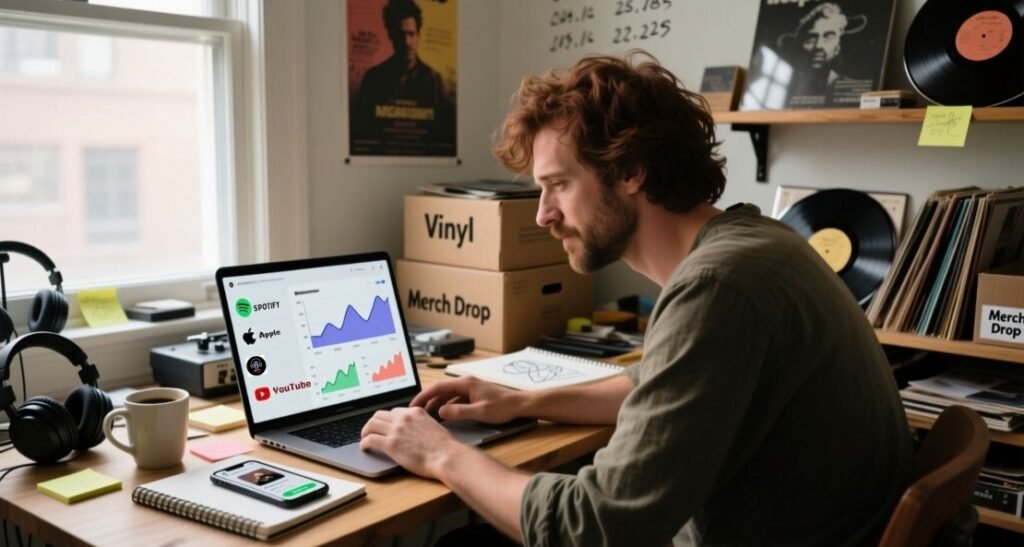
Musicians who actually make money from streaming use a multi-platform approach:
- Distribute everywhere. Missing platforms means leaving money on the table, even from low-paying services.
- Drive traffic to higher payers. Use Spotify for discovery, then guide fans toward Tidal or Apple Music for ongoing listening.
- Focus on premium streams. Encourage listeners to upgrade to paid tiers, which pay significantly more. Spotify for Artists and Apple Music for Artists offer analytics showing where your streams come from and what listener types generate the most revenue.
- Watch the geographic split. Artists with strong US and European audiences earn more per stream than those with listener bases in developing markets.
- Don’t rely on streaming alone. Live shows, merchandise, sync licensing, and Bandcamp sales generate more reliable income than streaming royalties ever will. The industry has fundamentally changed how artists build sustainable careers.
The Fraud Problem
Deezer receives 50,000 fully AI-generated tracks every single day in 2025. That’s 34% of all daily uploads. Up to 70% of streams on AI-generated content come from fraudulent bot networks designed to siphon royalty payments.
The French streaming platform recently became the first service to implement sitewide AI music tagging. Listeners can now see whether they’re hearing music from an actual artist or AI-generated content.
While the detection methods aren’t perfect yet, Deezer’s initiative represents the first real attempt by a major platform to address transparency around synthetic music.
This artificial streaming poses a bigger threat than low per-stream rates. Bot farms create fake streams to game royalty pools, diluting payments to legitimate artists. Platforms are now scrambling to implement detection tools, but the system remains vulnerable.
Deezer’s payouts: $0.0064 per stream, which sits below Apple Music and Tidal but above Spotify. The platform also uses an “artist-centric” model that boosts royalties for tracks with at least 1,000 streams from 500 unique subscribers each month. Artists need roughly 156,000 streams to earn $1,000.
What’s Coming
Some platforms are experimenting with user-centric payment models, where your subscription fee gets distributed only to artists you actually listen to instead of going into a general pool. This could significantly help niche artists with dedicated fanbases. The streaming industry continues evolving, though whether these changes benefit artists remains uncertain.
Blockchain integration and direct-to-artist platforms promise better transparency and potentially higher payouts. However, these technologies remain largely theoretical in 2025.
Subscription prices will likely increase. Streaming services need higher revenue to pay artists more without going bankrupt. Expect platforms to either raise prices or introduce new premium tiers.
The Bottom Line
Tidal offers the best combination of access and payout for most artists. Apple Music comes in second with decent rates and broad reach. Spotify remains necessary for discovery despite paying the least.
But here’s the reality: switching streaming platforms helps, but it won’t fix the broken economics of music streaming. The entire system pays poorly. Even Tidal’s “high” rate of $0.013 per stream means an artist needs 76,923 plays to earn $1,000 before label cuts, distributor fees, and splits with collaborators.
If you actually want to support musicians you care about:
- Buy their music directly. Bandcamp, artist websites, or physical releases put far more money in artists’ pockets than streaming ever will.
- Attend live shows. Touring remains the primary income source for most working musicians. Ticket sales, merch at venues, and showing up matters exponentially more than streaming.
- Buy merchandise. Artists keep a much larger percentage from merch sales than from streaming royalties.
- Support artist advocacy groups. Organisations like United Musicians and Allied Workers actively fight for better industry standards and fair pay.
The streaming economy works for superstars pulling billions of plays. For everyone else, it’s one piece of a larger income puzzle. Streaming alone doesn’t pay rent. It never has and probably never will.
Artists who understand these payment mechanics can make strategic choices about where to focus promotional efforts and how to guide their audiences. Those who don’t often wonder why millions of streams barely cover recording costs.
The system remains deeply flawed. But knowing how it actually works at least lets artists navigate it with open eyes.
And as listeners, understanding these realities means we can make more informed choices about how we actually support the music and musicians that matter to us.
You might also like:
- The Evolution of the Music Streaming Industry
- Finding Your Perfect Music Match: The Real Best Music Streaming Service for You
- Spotify Streaming Chart Watch: December 2025 Rankings
- The Power of Genuine Fanbase: Why Artists Need to Invest in Authentic Connections
- The 2024 Music Industry Trends Guide: What’s Really Changing and Why You Should Care
- AI Songs Top Charts: Breaking Rust & the Rise of AI Slop