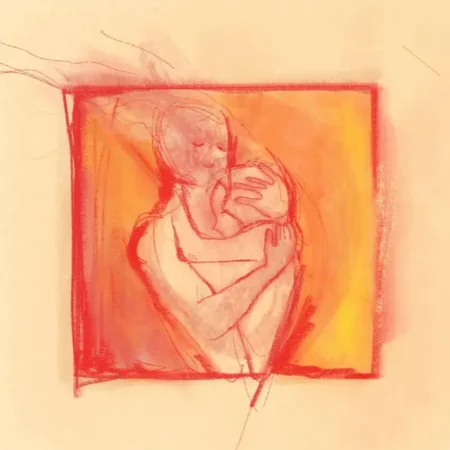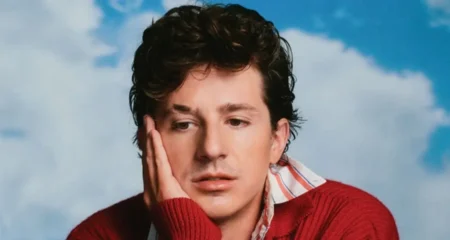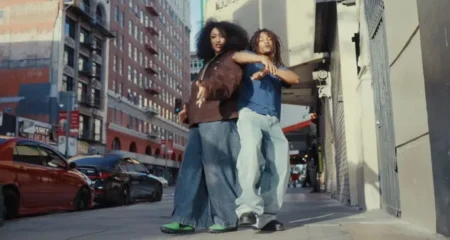

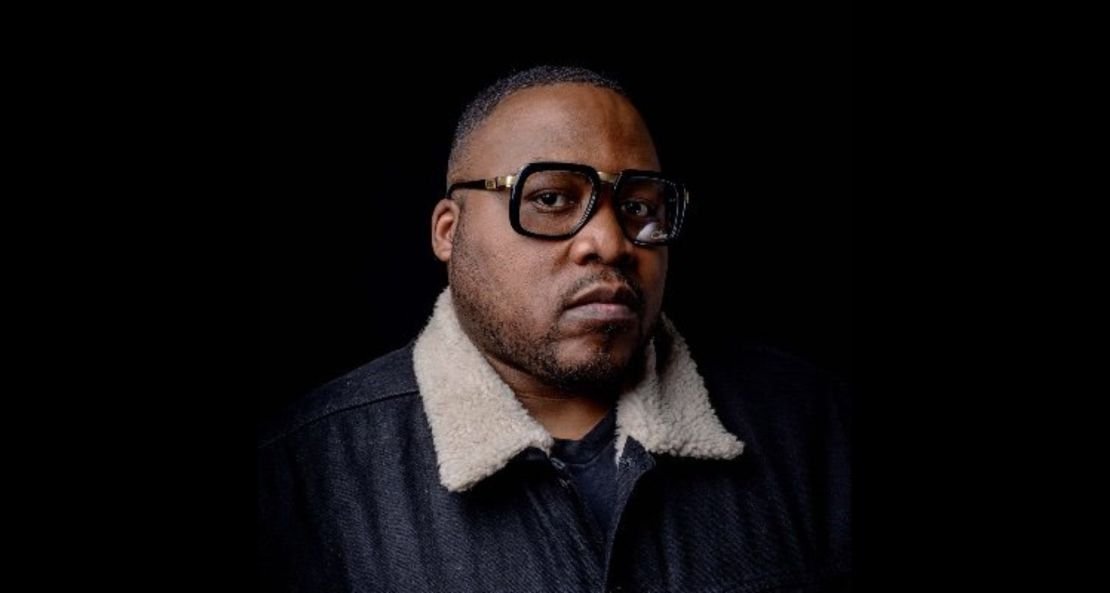
South African hip-hop just witnessed its most significant cultural moment in years. Stogie T’s “Four Horsemen,” released November 29, 2025, as the closing track from his album Anomy, brings together Nasty C, A-Reece, and Maggz for a six-minute-plus display of pure technical mastery that fans never thought they’d see.
The track makes history primarily because it marks the first time Nasty C and A-Reece appear together on wax.
These two titans of the new generation have run parallel careers for years, with fan bases constantly pitting them against each other.
Stogie’s genius move recording their verses separately meant neither artist knew about the other’s involvement until the track neared completion.
Nasty C even reached out to A-Reece after discovering the collaboration, asking where they stood before proceeding. That creative sleight of hand paid off spectacularly.
The Sound: Griselda Meets Johannesburg
Producer HomageBeats deserves significant credit for crafting a production that sits somewhere between Griselda’s dusty boom-bap and traditional South African grit.
The instrumental keeps things minimal, letting each MC’s technical prowess breathe without unnecessary embellishment.
Slow-burning guitar licks weave through the mix while crisp drums provide the backbone. This stripped-down approach forces the rappers to bring their absolute A-game, and they deliver.
The production choice proves brilliant because it gives equal space to four distinct voices without any single artist drowning in the mix.
HomageBeats understands that when you’ve assembled this much talent, the beat should support rather than compete.
Nasty C handles the hook, injecting a reggae-influenced melodic flow that anchors the track. His sing-rap approach on the chorus creates a hypnotic counterpoint to the dense verses.
When he asks what you’re willing to do for your peace, the question lands with weight. His delivery on the hook sets the tone: glory doesn’t come easy, and retreat isn’t an option.
Verse Breakdown: Four Kings, One Throne
Stogie T opens the proceedings with a masterclass in complex rhyme schemes and wordplay.
His verse drips with biblical references, from Saint Peter walking on water to Moses raising sticks for snakes.
The opening establishes his lineage immediately, speaking about descendants of enslaved people who transformed struggle into success.
When he talks about changing beef into gourmet plates, he’s addressing both literal survival and metaphorical transformation of conflict into art.
His internal rhyme patterns stay so tight that you need multiple listens just to catch every connection.
He walks on frozen lakes and hails Caesar, connecting biblical imagery with Planet of the Apes references.
The way he describes himself as a gatekeeper who closed the gate speaks to his role protecting hip-hop culture from dilution.
Every pen sweep becomes a brain teaser that most listeners won’t immediately relate to, and he knows it.
The verse continues with razor-sharp social commentary about broken faith and goldplated chains, calling out superficial displays of spirituality.
His reference to keeping a Moses cane and raising sticks for crawling snakes brilliantly merges biblical imagery with street reality.
The Shakespeare comparison to Liberty Bell and Rocky’s Philadelphia trail demonstrates his range, moving from literature to American cinema seamlessly.
Maggz steps in with the wisdom of an elder statesman. His verse reads like a warning to the younger generation about respecting foundations. He addresses those who gloated when he was at his lowest, but maintains composure throughout.
The lighthouse metaphor positions him as someone who guided kings, his influence running deeper than surface-level recognition.
His flow stays rooted like a tree with sap, and when he talks about fans hearing the subliminals when he sneaks an attack, he’s flexing his ability to layer meaning.
The verse culminates in a powerful question about whether new artists will float or get wrecked when the tide rises, challenging the younger generation’s longevity and substance.
A-Reece brings technical precision and calculated aggression to his verse. He opens discussing how money changed those around him rather than himself, immediately establishing his authenticity.
The moissanite diamond comparison cuts deep, calling out fake sparkle masquerading as real brilliance.
When he declares that writing more turns favorite rappers into ghosts, he’s both threatening their relevance and suggesting they’ll need ghostwriters.
His Death Note reference shows the generational shift in hip-hop, mixing anime culture with bars.
The Novak Djokovic comparison works brilliantly, connecting winning in the open with tennis championships while flexing his dominance.
He addresses critics trying to stop his reign but struggling to match his climate, using weather metaphors to discuss his sustained excellence.
His declaration about always being the wave while others wavered behind him directly challenges any claims about who leads South African hip-hop.
Nasty C closes things out with arguably the most dynamic performance. His verse switches gears constantly, from braggadocious punchlines to philosophical reflections on success and sacrifice.
He challenges anyone whose net worth matches his raincoat, dismissing keyboard warriors whose thumbs move fast but brains move slow.
The Lagos reference works on multiple levels, connecting Legos (the toy), Lagos (the city), and the Nigerian flag colours.
His Old McDonald comparison transforms a children’s rhyme into a boast about his verse farm, while noting he raps, sings, and produces.
The verse touches on being situated in the suburbs despite ghetto roots, needing to curve potential romantic interests daily, and valuing solitude alongside his craft.
His closing bars about waking up as himself and following through on promises add introspection to the technical flexing.
He acknowledges being away from home while pursuing his goals, noting that stakes continue rising and losing isn’t an option.
Cultural Weight Beyond The Bars
“Four Horsemen” transcends its runtime to become something bigger than just another posse cut.
This track represents reconciliation, mutual respect, and the power of putting egos aside for the culture.
Stogie T positioned himself as the architect who could make this moment happen, using his veteran status to bring together artists whose collaboration seemed impossible.
The biblical Four Horsemen imagery fits perfectly. Each rapper represents a different aspect of what makes South African hip-hop so compelling: Stogie’s intellectual depth, Maggz’s seasoned perspective, A-Reece’s technical sharpness, and Nasty C’s commercial appeal meeting underground credibility.
The outro, delivered by Maggz, hammers home the generational significance. Old kings and new kings unite, and the kingdom arrives whether critics expected it or not.
The declaration challenges anyone who doubted this collaboration could happen or succeed.
South African hip-hop needed this moment. The track shattered first-day streaming records, becoming the biggest first-day debut for any South African hip-hop song on Spotify.
Social media erupted with debates about who delivered the strongest verse, with fans dissecting every bar and metaphor. But the real victory lies in the collaboration itself.
Released as part of Stogie T’s Anomy album, a project exploring moral collapse and reconstruction in modern South Africa, “Four Horsemen” serves as the perfect closing statement.
The album title, drawn from the sociological term “anomie” meaning a breakdown of social norms, finds its resolution in this track. When shared values collapse, artists can rebuild through unity and excellence.
Four artists at the top of their game, pushing each other to new heights, creating something that will define this era of SA hip-hop. HomageBeats’ production gives them the perfect canvas, and they’ve painted a masterpiece.
“Four Horsemen” stands as proof that when talent, timing, and vision align, magic happens. This isn’t just a great hip-hop song. It’s a cultural landmark that future South African rappers will study and reference for years.
You might also like:
- Cole’s cLOUDs Lyrics Meaning and Review: A Reflection on AI, Greed, and the Future of Hip-Hop
- The Golden Age of Hip Hop: A Guide to the 90s Rap Scene
- The Best Conscious Hip-Hop Songs of All Time: A Playlist for Social Change
- Livestream Culture: How Hip-Hop Conquered Twitch & Kick
- The Evolution of Hip-Hop Slang: From the Streets to the Studio and Beyond
- Revisiting the Greats: Famous Female Rappers That Shaped the Hip Hop Industry