Forget the radio. The first viral rap hit of 2025 didn’t even debut on Spotify. LiAngelo Ball dropped a snippet of “Tweaker” on N3on’s Kick stream in late December 2024. The internet, predictably, lost its mind.
The track hit number 29 on the Billboard Hot 100, landed Ball a record deal worth millions, and confirmed what everyone already knew: livestream platforms now matter as much as the recording studio itself.
This is the year streaming culture stopped being a side hustle. Artists across hip-hop treat platforms like Twitch and Kick as proper promotional engines now, spaces where they debut tracks, build fanbases, and convert casual viewers into die-hard supporters before a song even hits DSPs. The line between creating and consuming? It’s gone.
The Streaming Breakthrough
Plaqueboymax made history this November by becoming the first Twitch streamer nominated for a Grammy, earning a nod for Best Dance/Electronic Recording for “Victory Lap” alongside Fred Again and Skepta.
The track came together during one of his London streams earlier this year, giving viewers a front-row seat to the creative process.
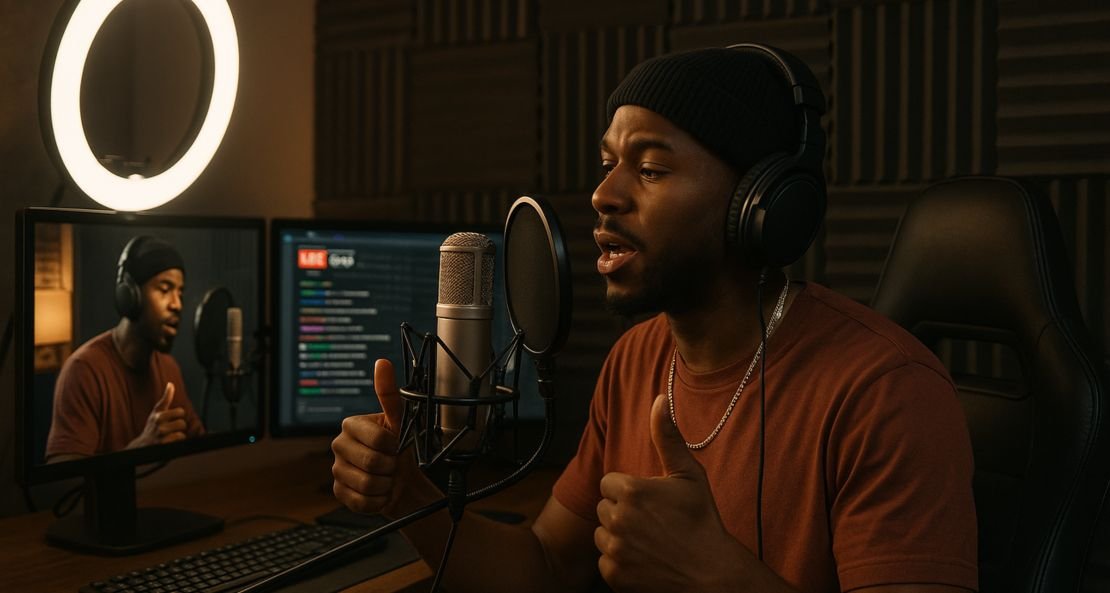
His “In The Booth” series invites artists to make music live on camera, transforming production from a behind-closed-doors affair into entertainment itself.
DDG’s “Pink Dreads” became a viral sensation after the pair collaborated on it live on stream. The song captured lightning in a bottle precisely because fans watched it happen in real time.
They weren’t just consuming a finished product; they were part of the journey. That sense of ownership drives engagement in ways traditional rollouts simply can’t match.
Even established stars recognise the shift. Ice Spice launched her Twitch channel in October during Paris Fashion Week, streaming with guests like Olympic gymnast Suni Lee and Spanish rapper BB Trickz.
Justin Bieber joined the platform the same month, promising to stream “pretty much every day” from his warehouse studio.
His broadcasts showcase him playing basketball and working out vocal takes, offering intimate glimpses into his creative process. When global pop icons start streaming daily, it’s no longer experimental; it’s essential.
Why Platforms Reward the Hustle
The mechanics behind livestreaming success aren’t mysterious. Platforms need creators who keep viewers watching, and they’ve built algorithms to reward exactly that behaviour.
Twitch’s algorithm prioritises live engagement signals like watch time, chat activity, and follower-to-viewer ratios. The longer people stick around and the more they interact, the more likely the platform will surface that stream to new viewers.
Kick operates differently, offering creators a 95/5 revenue split compared to Twitch’s standard arrangements.
That financial incentive alone has lured major streamers to the platform. Kick’s discovery algorithm surfaces newer channels alongside established ones, creating a more democratic browsing experience where small creators appear next to those with massive followings. For artists trying to break through, that matters enormously.
Music fits perfectly into this ecosystem. Doechii celebrated her hit single “Denial is a River” with a livestream titled “Denial is a Stream,” while SZA and Lizzo both appeared during Kai Cenat’s record-breaking Mafiathon broadcast.
These aren’t passive promotional appearances; they’re active collaborations that generate clips, conversation, and virality.
The clip economy drives much of this momentum. Streamers’ main output comes from clips, moments that get spliced and repackaged for maximum reach across social feeds.
A three-hour stream might produce dozens of shareable moments. Those clips circulate on TikTok, Twitter, Instagram, extending the stream’s lifespan far beyond the live broadcast. Artists gain exposure not just to the stream’s live audience but to millions more who encounter clips throughout the week.
Building Communities in Real Time
Traditional music promotion operates on a one-way broadcast model. Artists release content; fans consume it. Livestreaming flips that dynamic entirely. Chat becomes a conversation. Viewers influence decisions.
The parasocial relationship between artist and audience tightens dramatically when they’re interacting in the same digital space.
Hip-hop influencers like DJ Akademiks, Kai Cenat, and Adin Ross have become middlemen, with rappers providing them release updates and song snippets to share on their streams.
These figures aren’t journalists, but they command audiences that rival traditional media outlets. Artists who understand this landscape treat streamers as partners, not obstacles.
Streaming creates a casual environment where audience members feel creatively involved with the artists they admire.
That psychological shift changes how fans engage with music. When you’ve watched a song come together live, you’re invested in its success. You tell your mates. You share the clip. You stream it repeatedly because you were there when it happened.
The benefits extend beyond individual tracks. Artists who stream consistently build proper communities.
They’re not just promoting music; they’re creating spaces where fans gather, chat, and form connections with each other. Those communities become self-sustaining promotional machines.
The New Promotional Playbook
The industry’s noticed. Drake reportedly followed Plaqueboymax and shouted him out during his Christmas livestream with Adin Ross.
@atomlightningyt Drake tells Adin Ross that in his free time on Christmas Eve, he was watching Plaqueboymax #drake #adin #adinross #adinrossclips #viral #trending #xyzbca #plaqueboymax #pbm #faze ♬ original sound – AtomLightning
When the biggest rapper in the world pays attention to a 22-year-old streamer, the power dynamics are clear.
Spotify announced it would roll out new tools for artists, including short-form video features similar to the clips from popular streamers. The platforms are adapting.
Labels haven’t cracked the code yet. Forward-thinking artists have. They recognise that streaming platforms reward consistency and authenticity over polish.
A rough studio session where fans see the creative struggle often generates more engagement than a slick music video. Audiences crave access. Streaming provides it.
Rolling Stone noted that 2025 has been defined by the rise of the livestreamer, especially in hip-hop. The evidence surrounds us. Songs debut on Kick before streaming services. Grammy nominations go to tracks made live on camera. Global superstars launch channels and commit to daily broadcasts.
This isn’t a trend. It’s a fundamental shift in how music moves through culture.
The traditional gatekeepers still matter. Radio programmers, playlist curators, media outlets. But they’re sharing power with a new class of tastemakers who broadcast from bedrooms and warehouses. Artists who adapt gain advantages their peers can’t match. Those who ignore it? They risk irrelevance.
What Comes Next
The livestream gold rush has only just begun. As more artists recognise these platforms’ promotional power, competition for viewer attention will intensify.
Success requires genuine personality and consistency. You can’t manufacture those. Can’t outsource them either.
The barrier to entry remains remarkably low. Any artist with a decent microphone and internet connection can start streaming tomorrow.
But converting those streams into career momentum? That requires understanding the platforms’ mechanics, building authentic communities, treating streaming as seriously as any other part of the promotional cycle.
2025 proved that livestreaming culture and hip-hop fit together perfectly. Both thrive on immediacy, authenticity, direct connection between creator and audience.
As platforms refine their algorithms and revenue models, expect even more artists to make streaming a cornerstone of their strategies.
The question isn’t whether livestreaming will remain important to hip-hop. It’s whether artists who ignore it can still compete.
You might also like:
- The 2024 Music Industry Trends Guide: What’s Really Changing and Why You Should Care
- 15 Old Songs That TikTok Resurrected Into Modern-Day Hits
- 10 Viral Music Videos of 2024 You Need to See Now
- TikTok’s Handshake Trend Is Reviving Songs You Forgot You Loved
- Pluggnb 101: Inside the Internet’s Fastest-Growing Scene (And Why It’s Blowing Up)
- The Firewall Is Dead: Why Genre Is Now Just a Suggestion