Every marketing strategy sounds brilliant until you try to do them all at once.
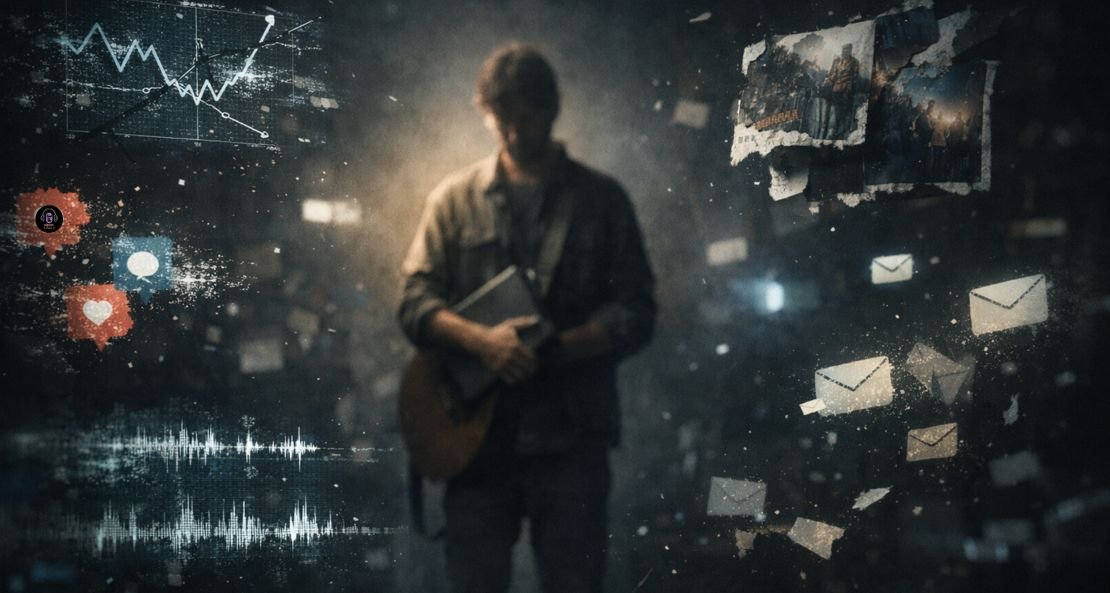
Artists scroll through endless advice telling them to master Instagram Reels, TikTok trends, email marketing, playlist pitching, Meta ads, touring, press campaigns, and building their own streaming playlists.
The problem? Each requires mastery. Each demands time. Each competes for the same limited resource: your attention.
The music industry sells contradictory dreams. Be authentic, but game the algorithm. Build organic reach, but run paid ads. Focus on art, but think like a marketer. Create mystery campaigns, but maintain constant visibility. It’s exhausting, and deliberately so.
Nobody benefits from your confusion except the people selling solutions.
The Marketing Tier List That Exposed Everything
Two separate analyses of music marketing strategies arrived at wildly different conclusions. One ranked Meta ads at the top. Another called them C-tier.
One praised organic social media content above all else. Another warned it no longer works without algorithmic literacy.
The disconnect reveals something crucial: Strategy isn’t universal. Circumstances are.
A spreadsheet comparing effort, cost, stickiness, scalability, and risk across eight marketing methods showed Meta ads winning on paper.
Yet a tier-ranking system that weighted authentic fan connection and long-term sustainability placed organic content creation in S-tier whilst Meta ads languished in C.
Why the difference? The first optimised for streams. The second optimised for careers.
Streams vanish. Fans stick around.
According to Music Ally’s 2025 Campaigns of the Year report, five major trends are reshaping how artists connect with audiences: community-driven mystery marketing, world-building around singles, digital and IRL integration, nostalgia as growth engine, and cinematic storytelling. Each strategy requires different skills, budgets, and team structures.
The Cure created intrigue with cryptic Roman numerals on posters, UV-light readable postcards, and a WhatsApp group that attracted 55,000 members.
Marina invited fans to a conservatory with coordinates, gifting caterpillar hatching kits that aligned with her transformation narrative for “Butterfly”.
Ed Sheeran’s team ran surprise pop-ups across German cities, generating 156 million views from user-generated content.
These campaigns share one element: they required thinking beyond the phone screen.
The Authenticity Paradox That Nobody Wants to Discuss
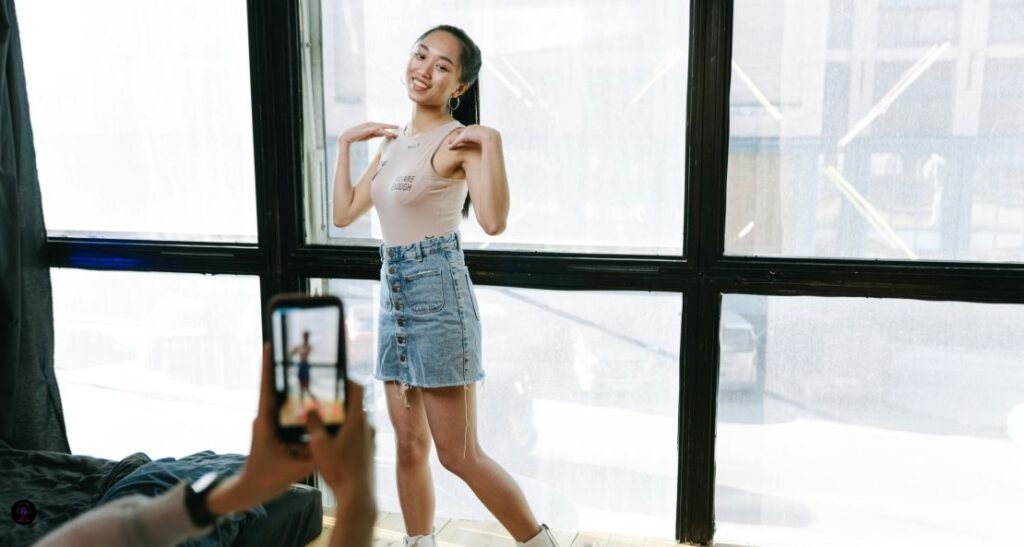
Platforms reward what works until everyone does it. Then they punish it for being inauthentic.
The car selfie video asking people to pre-save no longer works. Heavily-edited hero assets underperform compared to raw, unpolished clips.
Yet “authentic content” has become so oversaturated that audiences now recognise it as salesmanship. Algorithm literacy destroyed spontaneity.
Will Beardmore, former Atlantic Records UK director, explained the shift: “It used to be that the reason to do promo was for discovery. Everything’s focused back in on the phone. The reason you go on a promo run is to generate content that comes back into the social feed.”
Read that again. Promotional activities now exist to create social media content, not the other way around. The tail wags the dog.
Artists who grew up watching MTV now film content to justify their existence between releases. The pressure to maintain visibility creates a treadmill where stopping means algorithmic death.
Consistency becomes the enemy of quality. Posting becomes performance anxiety with metrics.
Nobody asked for this.
Research from MIT Media Lab found that over 70 per cent of AI-generated music tracks share nearly identical chord progressions. Algorithms optimise for engagement, not artistic merit.
When human artists chase algorithmic success, they unconsciously mimic what platforms reward: repetition, predictability, and proven formulas.
The most powerful marketing machine sidesteeps algorithms entirely. Reddit threads, Discord servers, fan clubs where people feel ownership.
These communities drive artist success more effectively than any TikTok trend. Yet building them requires patience most artists don’t have.
What Stickiness Actually Means (And Why Everyone Measures It Wrong)
Playlisting services score terribly on “stickiness”. Less than five per cent of playlist listeners become fans. Yet the industry treats playlist placements as victories worth celebrating with press releases.
Compare that to touring, where seeing an artist live creates conversion rates that dwarf any digital strategy. Something magical happens when you’re in a room with a band.
Even first-time listeners follow them immediately, stream albums on the ride home, and tell friends about the experience.
Digital marketing optimises for awareness. Physical presence optimises for loyalty.
The problem? Awareness metrics look impressive on reports. Monthly listeners, streams, playlist adds, and follower counts all trend upward with enough budget.
Loyalty is harder to quantify. How do you measure someone who buys every release, attends multiple shows, and recruits friends into the fandom?
Superfans generate disproportionate revenue. According to industry data, the top one per cent of listeners account for over 20 per cent of streaming revenue for many artists. Yet marketing strategies optimise for reach, not depth.
Carly Rae Jepsen and Charli XCX (pre-Brat) never topped charts, but they built devoted fanbases that sell out tours and generate sustainable income.
The term “gay famous” describes artists who command underground devotion without mainstream recognition. They’re queens of their own kingdoms.
That’s the real power of organic social strategy. You can have actual headcounts that sell merch, stream songs, and fill rooms for live shows without topping charts.
The metrics lie about what matters.
Worth asking: when did we decide mainstream success was the only kind that counted?
The Mystery Campaign Renaissance Nobody Expected
Audiences crave moments that feel found, not fed. Marketing increasingly resembles hide-and-seek rather than billboard campaigns.
BMG’s campaign for Rizzle Kicks used burner accounts on TikTok to leak album snippets, generating 4.5 million views.
@tiktok_uk That’s right, @Rizzle Kicks will be performing at the #TikTokAwardsUKIE ♬ original sound – TikTok UK
An enigmatic photo of the duo holding a blank page prompted fans to speculate in comments and create memes. The mystery generated more engagement than straightforward announcements ever could.
Wolf Alice mailed seed packets and piano sheet music to fans across twelve countries. Vintage sofas appeared in public areas worldwide, inviting people to create and share moments. These tactics transformed passive consumption into active participation.
The psychology is straightforward: discovery feels like achievement. When fans decode clues, join secret groups, or find hidden objects, they invest emotional labour. That investment converts casual interest into genuine attachment.
Compare that to traditional marketing, where artists announce release dates and plead for streams. One treats fans as participants in a narrative. The other treats them as consumers to convert.
Polydor Records’ campaign for The Cure understood this deeply. Password-protected 3D models of album artwork, UV-light readable postcards, and cryptic Roman numerals on posters created layers of discovery. Fans who solved puzzles felt smarter. Fans who joined the WhatsApp group felt special.
Mystery marketing scales poorly, which makes it powerful.
Not everyone can access the secret. Exclusivity drives FOMO. FOMO drives sharing. Sharing expands reach without diluting the experience.
Why World-Building Works for Singles Now
Albums always had room for aesthetic universes. Singles were meant to be simple: three minutes, catchy hook, done. That logic died somewhere around 2023.
Artists now build micro-worlds around individual tracks. Laufey told a growth story across three bossa nova-influenced singles, culminating in “Lover Girl” with two viral dances. Marina turned “Butterfly” into an era of transformation, complete with real caterpillar hatching kits.
The strategy makes sense when you consider attention spans. Few listeners sit through full albums anymore.
Streaming data shows most people skip after three tracks. Singles become the primary unit of artistic expression whether artists like it or not.
So if singles dominate, why not treat them like short stories rather than advertisements?
Narrative arcs, symbols, and rituals that fans can perform all contribute to building micro-worlds. A song becomes an entry point into something larger. The best campaigns blur the line between promotional activity and art project.
Adekunle Gold’s album launch resembled a film premiere rather than a music release. A cinematic trailer set the tone.
Release events felt like film festivals. The “Coco Money” video used striking black-and-white cinematography that elevated the project beyond typical music promotion.
Marttein created three theatrical characters (El Rubio, El Marrón, El Yuppi) across consecutive releases, culminating in a live show that brought all three together. Fans didn’t just listen to songs. They followed a storyline.
This approach demands more upfront investment but generates longer-lasting engagement. A well-executed world-building campaign gives fans endless content to explore, share, and discuss. The song becomes a conversation starter rather than a product to consume.
The Digital + IRL Integration That Actually Converts
Online buzz means nothing if nobody shows up.
Ed Sheeran’s team proved this across Germany. An Emilio Piano pop-up in Stuttgart generated 156 million views from user-generated content.
A visit to Hamburg’s Panoptikum Wax Museum went viral when Ed photographed himself with his “less-than-perfect” look-alike. A Düsseldorf pub dubbed “The Old Phone” (after a song from his album) hosted a surprise show.
View this post on Instagram
Each activation served two purposes: local fan experience and global content creation. The physical events drove attendance. The resulting social media posts drove awareness. Neither worked without the other.
Columbia UK took a similar approach for Wolf Alice’s album. Seed packets and piano sheet music mailed to fans created tangible connection. Sofas placed in public areas invited interaction. Both strategies generated shareable moments that felt spontaneous rather than manufactured.
The lesson here contradicts much digital marketing advice: sometimes you need to leave the internet.
Sarah Baldwin, senior director of digital marketing at Activist, noted the shift in tour marketing content: “When I started my career, so much of the assets related to tour marketing were very graphic-heavy, very artist-POV of looking out into the crowd. That’s changed. It’s showing how great a particular artist’s tour really is. ‘You really should go, this is a great, unique show, and they do something different at every set or city’.”
Fan testimonials beat artist announcements. User-generated content outperforms polished assets.
Authenticity, that overused word, actually means something here: real people having real experiences create more compelling marketing than any agency could produce.
The integration requires local strategy with global thinking. A pop-up shop in Tokyo can drive conversation in London if documented properly.
A surprise acoustic set in Manchester can trend in Los Angeles if fans share it widely enough. Physical events become digital currency.
The Nostalgia Strategy That Accidentally Works
Younger audiences lean into nostalgia harder than their parents ever did. Gen Z discovers The Cure through TikTok trend.
They stream Arctic Monkeys’ 2013 album track after algorithm-driven recommendation. They resurrect Connie Francis because her 1962 recording fits wholesome pet videos.
Artists who understand this mine their archives for content that feels fresh to new audiences whilst comforting to existing fans.
Virgin Music Group drew on noughties indie nostalgia for The Kooks’ Never/Know campaign. They revitalised old videos and online features, sparking enough fan response to justify an indie club night at Notting Hill Arts Club.
Rose bouquets delivered to local record shops cemented the connection to grassroots communities that made The Kooks stars originally.
Sony Music returned to the filming location of The Script’s “The Man Who Can’t Be Moved”, creating storytelling content including a viral reaction video and short-form series.
Frontman Danny O’Donoghue shared new details about the band’s creative process. The series generated 4 million TikTok views and a 50 per cent increase in Spotify monthly listeners.
Nostalgia works because it’s emotional memory, not just remembrance. When someone hears a song from their teenage years, their brain retrieves the entire context: where they were, who they were with, how they felt. Artists who tap into that retrieve not just a listener but a version of that person who cared deeply.
The strategy also bridges generations. When The Weeknd’s “Blinding Lights” channels eighties synthpop, it gives older listeners something familiar whilst offering younger audiences something “new”.
The song benefits from dual appeal: genuine nostalgia for one group, aesthetic discovery for another.
TikTok resurrected Radiohead’s “Let Down” twenty-eight years after release, turning an album track into a US Hot 100 entry.
The song became shorthand for feeling absolutely rubbish about everything. Users created emotional montages about mental health, grief, and disappointment. The music fit the mood.
Labels now monitor catalogue performance as closely as new releases. Artists who retired decades ago see renewed interest.
Songs that failed commercially the first time find second chances through algorithmic recommendation.
You might also like:
- How To Promote Your Upcoming Music Gig
- Marketing Your Music Band: Exploring The Need For A Catchy Slogan
- The 2024 Music Industry Trends Guide: What’s Really Changing and Why You Should Care
- How Streaming & TikTok Shape 2025’s Biggest Hits
- How TikTok Viral Songs Dominated Charts in 2025
- The Most Streamed Songs on Spotify (2025 List Updated)
The Scalability Trap That Bankrupts Artists
Most marketing advice optimises for scale without asking if scale helps.
Meta ads scored highly on scalability in ranking systems. You can go from £5 daily spend to £300 without hitting technical limits.
YouTube ads scale even better, with minimal diminishing returns. Playlist campaigns scale until you exhaust genre-appropriate curators. The question nobody asks: should you scale?
Touring scored poorly on scalability because you can’t clone yourself. You’re limited by physical presence, venue capacity, and recovery time between shows.
Yet touring generates the stickiest fans, highest merchandise revenue, and most sustainable career foundations.
The strategies that scale best build shallow connections. The strategies that scale poorly build deep relationships. Artists need both, but beginners get sold on scale first.
Here’s the trap: paid advertising converts attention into money faster than organic methods. That speed creates addiction.
Early results convince artists to increase budgets. Platform algorithms optimise delivery, generating more streams. Artists mistake growing numbers for growing careers.
Then the budget runs out.
The audience evaporates with it.
Spotify’s algorithm stops recommending because listener retention dropped. TikTok’s feed moves on to fresher content. The streams were rented, not owned.
Contrast that with organic social media content creation, which scored highly despite requiring maximum effort.
You can’t hire your way out of being interesting. No agency can replicate your specific perspective. The work scales poorly, but the results compound.
Each video you post teaches you something about your audience. Each response refines your understanding. Over time, you develop intuition about what works. That knowledge remains valuable regardless of platform changes or algorithm updates.
The indie artists winning long-term don’t scale marketing first. They scale creativity, then apply marketing to amplify what already works. The sequence matters.
What “Risk” Really Means in Music Marketing
Financial risk gets discussed. Opportunity cost stays invisible.
PR campaigns cost £2,000 monthly minimum with three-month requirements. That’s £6,000 before seeing any results.
Radio promoters charge similar fees. Tour buyons can exceed £20,000. These prices create obvious risk: lose the investment, gain nothing.
But what about the hidden costs?
Three months spent waiting for PR placements is three months not spent building direct fan relationships.
Money spent on playlist campaigns is money not spent on touring. Time spent creating content for algorithm optimization is time not spent writing better songs.
Every strategy has an opportunity cost. Choosing one thing means not choosing others.
Younger artists in particular fall into debt chasing strategies that promise fast results. They hire PR firms before building fanbases.
They buy playlist placements before understanding audience retention. They run Meta ads before developing unique artistic voice.
The sequence inverts. Marketing becomes the foundation rather than the amplifier.
Risk also lives in creative compromise. When artists modify songs to fit TikTok’s 15-second format, they prioritise virality over artistry.
When producers discuss “TikTok moments” during studio sessions, they’re reverse-engineering art from marketing requirements.
Halsey and Florence Welch both expressed frustration with label pressure to create “viral-ready” content before release.
The boundary between artistic creation and promotional engineering blurred completely. Creative autonomy became subordinate to algorithmic marketing logic.
That’s the real risk nobody calculates: losing yourself in the process of being seen.
The Framework Nobody Teaches
Most marketing advice provides tactics without strategy. Do this, post that, run these ads. It’s recipe-following without understanding cooking.
Here’s a better framework. Or at least, a way to avoid doing things in the wrong order:
Stage One: Make something that deserves attention.
Marketing can’t save mediocre music. This sounds obvious, yet artists regularly invest thousands in promoting songs that aren’t ready.
Better to delay releases and improve the product than to waste budget marketing something forgettable.
Stage Two: Find your first hundred true fans.
Not followers. Not playlist listeners. People who actually care. These might come from local shows, online communities, collaborations with similar artists, or direct outreach to music bloggers. Quality over quantity always. These people form your foundation.
Stage Three: Learn what converts.
Test different content styles, posting times, messaging approaches. Track what actually moves people from awareness to action. Don’t assume. Measure. Spotify for Artists provides listening data. Social media analytics show engagement patterns. Email open rates reveal what subject lines work. Data informs decisions.
Stage Four: Build systems for consistency.
One viral post means nothing. Consistency compounds. Create content calendars. Batch-produce material. Develop processes that maintain output without burning out. The algorithm rewards reliability more than occasional brilliance.
Stage Five: Scale what works, cut what doesn’t.
Only after proving something works organically should you add paid promotion. Use ads to amplify successful content, not to prop up failures. This prevents wasting money on strategies that don’t convert.
Stage Six: Diversify platforms and revenue streams.
Platform dependence creates vulnerability. TikTok ban discussions in 2025 reminded everyone that rented attention disappears overnight. Own your email list. Maintain your website. Build communities on multiple platforms. Sell merchandise. Book shows. Create multiple touchpoints between you and fans.
This framework prioritises sustainable growth over viral moments. It treats marketing as amplification rather than foundation. It acknowledges that building careers takes longer than chasing streams.
None of which guarantees anything. But at least you won’t waste money in the wrong sequence.
What Actually Works in 2026
The most effective strategies in 2026 share common traits:
They prioritise connection over reach. Mystery campaigns, world-building, and IRL activations all generate emotional investment. Participants feel part of something special rather than consumers being sold products.
They respect audience intelligence. Overly polished content gets scrolled past. Manufactured authenticity gets called out immediately. Audiences developed algorithm literacy. They recognise marketing when they see it. The only response is genuine transparency.
They integrate multiple touchpoints. Single-channel strategies fail. The best campaigns blend social media, physical experiences, streaming platform optimisation, email communication, and community building. Each element supports the others.
They play the long game. Viral moments fade. Careers require sustained effort over years. Artists who treat marketing as marathon rather than sprint survive platform changes, algorithm updates, and trend cycles.
They maintain artistic integrity. The most sustainable marketing extends naturally from the music itself.
When Ed Sheeran’s surprise pub show aligns with his everyman brand, it works. When manufactured mystery feels disconnected from an artist’s music, audiences see through it immediately.
The Uncomfortable Truth About Marketing “Experts”
Everyone selling music marketing advice has incentives that don’t align with yours.
Playlist services profit whether your campaign succeeds or fails. Social media agencies bill by the hour regardless of results.
PR firms collect retainers even when they can’t secure placements. Course creators make money from sign-ups, not your eventual success.
The advice ecosystem benefits from your confusion and continued spending.
This doesn’t mean all guidance is worthless. But it does mean you need to filter everything through your specific context. What works for established artists with budgets and teams might not work for solo musicians juggling day jobs.
The tier rankings discussed earlier perfectly illustrate this. One prioritised metrics accessible to established artists (scalability, conversion rates, algorithmic performance).
Another prioritised sustainability for independent musicians (authentic fan connection, low financial risk, creative control).
Both rankings are “correct” for their respective contexts. Neither is universal truth.
Your job is developing judgment about which strategies fit your current situation and goals. That requires thinking rather than following.
Where to Actually Start
If you’re reading this overwhelmed, good. That means you’re thinking critically rather than accepting simplified prescriptions.
Start simple:
Make the best music you possibly can. Everything else is marketing sugar coating a rotten core if the songs don’t connect.
Choose one platform to master before attempting omnipresence. Real expertise beats superficial presence across everything.
Document your creative process naturally. Film studio sessions. Share works-in-progress. Let people behind the curtain without manufacturing false intimacy.
Build direct relationships with early fans. Reply to comments. Remember names. Treat supporters like people rather than metrics.
Focus on one release cycle at a time. Plan it properly. Execute thoughtfully. Learn from what works and what doesn’t. Then do it better next time.
The music industry wants you to believe success requires expensive campaigns, agency partnerships, and complex strategies. Sometimes it does.
Record labels invested £8.1 billion in A&R and marketing in 2023, nearly a third of their revenue. But more often, success for independent artists requires consistency, authenticity, and actually being worth paying attention to.
Most artists fail because they’re not ready to hear that.