
There’s something beautifully chaotic about how we measure greatness in music these days. Critics huddle over orchestral arrangements and lyrical depth whilst fans stream the same trap beat fifty times in a row because it makes them feel something.
Both approaches operate on radically different stakes, yet both reveal what actually moves people.
2025 threw us an embarrassment of riches. Rosalía’s Lux scored a 95 on Metacritic whilst selling out physical pressings in major cities within 48 hours.
Sleep Token moved nine million monthly Spotify listeners and sold out a 20-date US arena tour despite Pitchfork calling them “wholly lacking in dynamic payoffs.”
Bad Bunny’s Spanish-language DeBÍ TiRAR MáS FOTOS became the year’s most-streamed album at over 8 billion plays whilst topping year-end lists from Billboard to Rolling Stone.
The gap between what critics crown and what fans actually consume has never been wider, yet certain albums managed to exist in both worlds simultaneously.
This isn’t a ranked list. Rankings suggest false equivalence, as if Rosalía’s orchestral ambition and Sleep Token’s arena metal operate on the same axis of value.
Instead, we’re examining where critical consensus and fan devotion actually overlap, where they diverge spectacularly, and where our own listening habits diverged from both.
When Everyone Agrees: The Consensus Picks
Rosalía – Lux
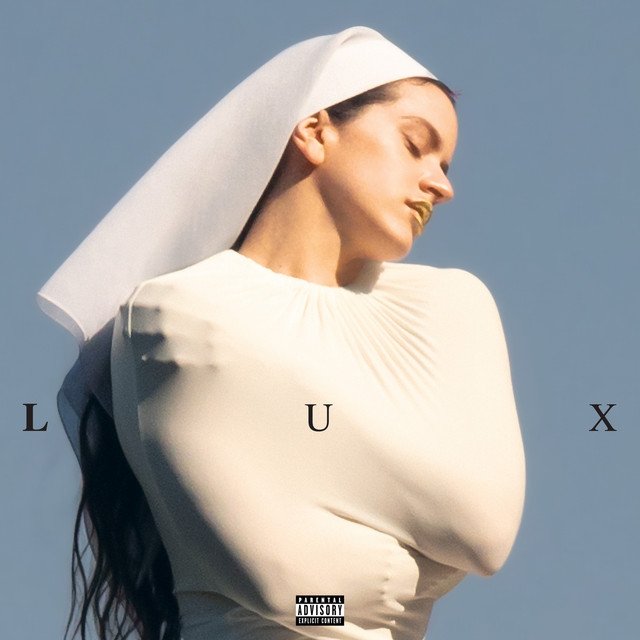
Let’s start with the year’s most ambitious swing. Rosalía’s Lux achieved something exceedingly rare: a 95 Metacritic score (the site’s best-reviewed album of 2025 and fourth-best of all time) whilst simultaneously sparking genuine fan obsession.
Transparent vinyl pressings sold out across London, New York, and Toronto within 48 hours. Reddit threads dissecting the London Symphony Orchestra arrangements ran to thousands of comments. This wasn’t critics talking to themselves.
She spent three years learning to sing in thirteen languages, working verse by verse with professional translators and phonetics teachers after sketching rough lyrics through Google Translate.
The result spans 18 tracks split across four movements, each corresponding to a different female saint. What makes this work isn’t just technical accomplishment but that the ambition serves an actual emotional argument.
The album opens with “Sexo, Violencia, y Llantas,” posing an impossible question over anxious piano: “Who could live between the two / First love the world, then love God.”
That tension never resolves because resolution would betray the project’s thesis. On “Berghain,” featuring Björk and Yves Tumor, she crashes Vivaldi’s “Winter” into Wagner’s Ring Cycle alongside Yoko Ono-style word loops whilst an ex-lover threatens “I’ll f*ck you till you love me.”
The cacophony exists because spiritual transformation through abandoning worldly pleasures demands actual sacrifice, not easy transcendence.
Guardian and Independent both awarded perfect 100s. NME called it “astonishing,” “arrestingly beautiful,” and noted it “stops you dead in your tracks.”
Pitchfork placed it at number 16 on their year-end list. TikTok users created thousands of videos attempting to recreate the orchestral swells.
Discogs reviewers praised the “phenomenal production” as “absolutely dynamic, deep and flawless.”
This is what happens when an artist refuses every accessible compromise whilst somehow still connecting emotionally.
The hour-long runtime and 13-language lyric sheet demands patience most listeners won’t give, which is precisely why those who do give it describe the experience as spiritual.
Bad Bunny – DeBÍ TiRAR MáS FOTOS

Bad Bunny proved something critics and streaming platforms finally agree on: linguistic accessibility matters far less than groove integrity.
His January release DeBÍ TiRAR MáS FOTOS (which translates to “I should have taken more photos”) accumulated over 8 billion Spotify streams, making it 2025’s most-played album globally whilst simultaneously appearing on year-end lists from Billboard, Rolling Stone, and Pitchfork (number 5).
The title track “Vøla” alone crossed 1 billion streams. The album debuted at number two on the Billboard 200 with 120,000 first-week units before claiming number one for four separate weeks.
These aren’t vanity metrics. They represent genuine cross-demographic appeal anchored in production sophistication that rewards both casual listeners and music nerds.
Benito blended old-school Latin sounds like plena and salsa with reggaeton and house beats, creating what amounts to an auditory map of Puerto Rican musical DNA.
The arrangements reference tradition without museum-piece reverence because the point isn’t preservation but evolution.
Critics recognised this immediately. Pitchfork noted it works “across different listener bases without alienating anyone.” NME praised how he “doesn’t play it safe.”
He followed with a sold-out world tour and was selected to headline this year’s Super Bowl halftime show.
The streaming dominance plus critical placement plus live revenue plus cultural cachet equals something approaching consensus in an era that rarely produces it.
Kali Uchis – Sincerely
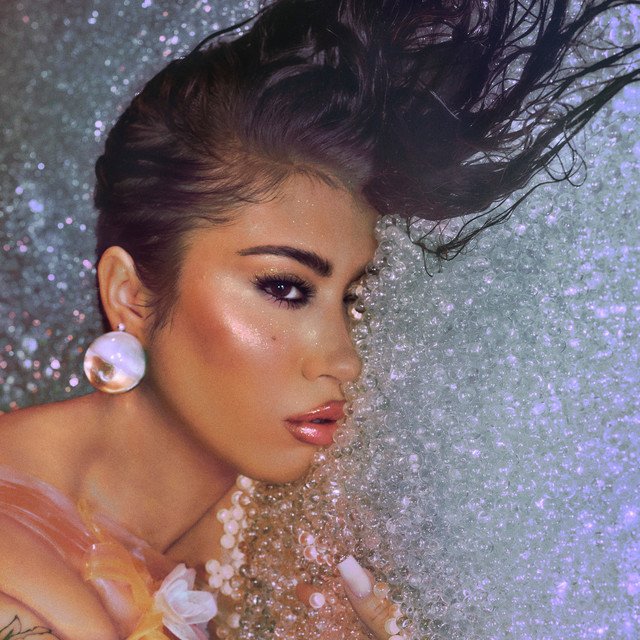
Kali Uchis made an album for the quiet moments. Sincerely, released May 9th via Capitol, opened at number two on the Billboard 200 with 62,000 first-week units whilst scoring in the mid-80s on Metacritic.
Those numbers reveal something about how intimacy functions commercially: it performs respectably without demolishing records, precisely because it refuses to manipulate.
She recorded this after giving birth and losing her mother. The emotional weight shows in the sequencing, which privileges accumulation over immediate gratification.
“Heaven Is a Home…” establishes velvet lighting and soft orchestration as the album’s baseline texture. “Sugar! Honey! Love!” floats without ever drifting into ambience. “It’s Just Us” captures everyday tenderness without the manufactured drama that usually signals “important relationship song.”
Critics called it her “peak.” The sold-out arena run that followed proved fans wanted exactly this: close-mic vocals, warm strings, and hooks that settle rather than shout.
The expanded Sincerely: P.S. added five tracks including collaborations with Ravyn Lenae and Mariah the Scientist, which deepened the album’s sonic palette without disrupting its meditative core.
What separates this from wallpaper music is specificity. Uchis doesn’t gesture toward vulnerability. She documents it with the kind of detail that only comes from actually living through emotional transformation, not writing about the idea of it.
The Critic Darlings
Geese – Getting Killed
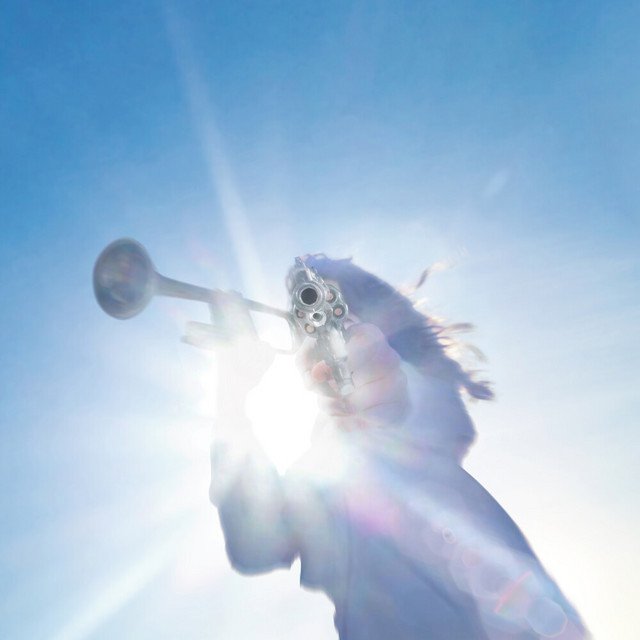
New York’s Geese landed at number 7 on Pitchfork’s year-end list despite modest streaming numbers. Guardian included it. NME praised it.
The year-end aggregate placements far exceeded its commercial footprint, which tells you everything about how critics value chaotic ambition over accessible polish.
Cameron Winter’s vocals carry emotional weight that accumulates rather than announces itself. The performances feel deliberately chaotic whilst the songs reveal meticulous construction upon closer inspection.
The closing track “Long Island City” might be the year’s best album closer because it earns its six-minute runtime through genuine emotional escalation, not repeated choruses.
This won’t convert casual listeners precisely because it refuses to make conversion easy. Critics noticed because they sit with records for weeks.
What reveals itself over time: a band in their twenties making music that demands close attention whilst rewarding it with moments of genuine beauty that occur so naturally you almost miss them.
Samia – Bloodless
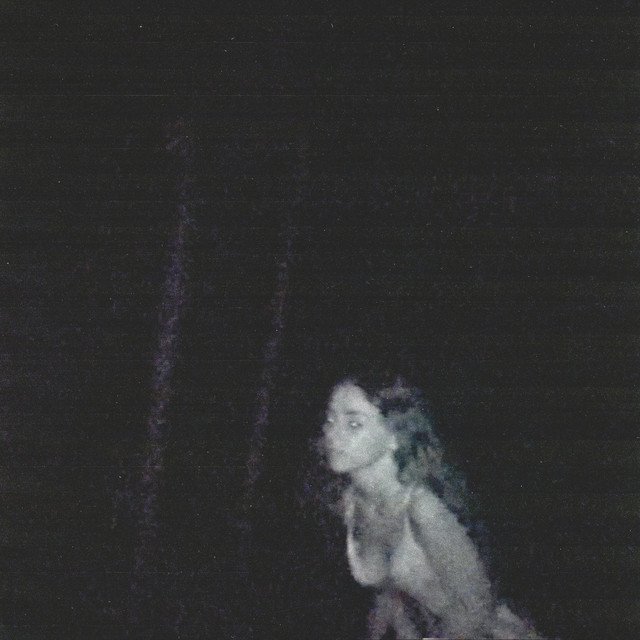
Samia’s third album explored selfhood and how the world shapes us without our realising. It would be easy for subject matter that weighty to drag a record down.
In Samia’s hands, it became warm and rich, with each song functioning as its own engrossing vignette because she understands that emotional intelligence requires actual specificity, not therapeutic platitudes.
This is the kind of album critics adore: thoughtful without being pretentious, emotionally articulate without wallowing. It didn’t spawn radio hits because it wasn’t designed to.
What it accomplished was showing astonishing growth from an artist refining her craft in real-time, making the difficult look effortless.
You might also like:
- Kali Uchis ‘Sincerely,’ & ‘Sincerely: P.S.’ Lyrics & Album Review
- Best R&B Songs 2025: 10 Tracks Reviving Real R&B
- The Paranoia Behind Tyler, The Creator’s “NOID”: A Sonic and Lyrical Analysis
- Top 30 TikTok Trends & Viral Songs of 2025
- Most Streamed Songs of December 2025 on Spotify & TikTok
- The Weeknd: First Artist With 30 Billion-Stream Songs
What separates 2025 from previous years isn’t just disagreement between critics and fans. It’s the collapse of a shared centre.
Albums now succeed in parallel ecosystems that rarely touch. Prestige, popularity, and permanence no longer align the way they did even five years ago.
An album can sell out arenas whilst critics dismiss it. Another can top year-end lists whilst struggling to crack 100,000 streams. Both scenarios happened multiple times this year, and neither invalidates the other’s existence.
The question stops being “which approach is correct” and becomes “which albums managed to operate successfully in multiple contexts simultaneously.” That’s vastly more difficult to achieve, which makes the few that manage it all the more remarkable.
The Fan Favourites
Sleep Token – Even in Arcadia
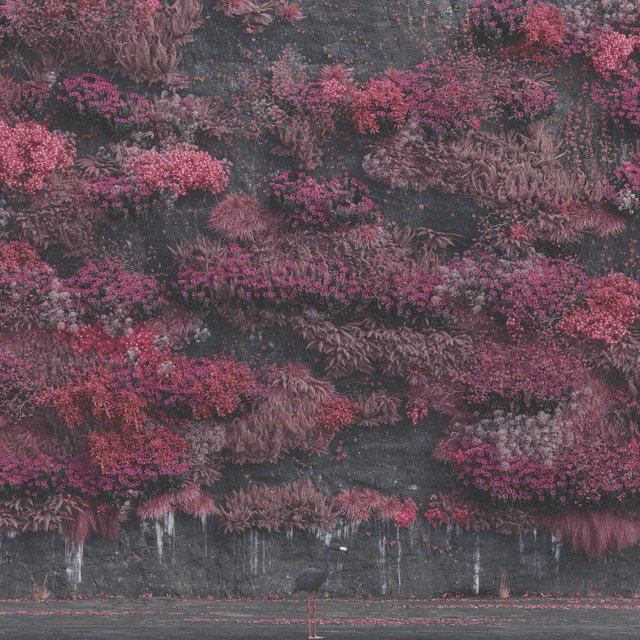
Sleep Token‘s Even in Arcadia sold out a 20-date US arena tour before the album even dropped. Nine million monthly Spotify listeners. UK number one.
Fans queued overnight for vinyl pressings. “Caramel” debuted at number 34 on the Billboard Hot 100, becoming their highest-charting single to date.
Critical reception told a radically different story. Metacritic: 64. Pitchfork described it as “smooth, flat, edgeless.” Sputnikmusic called the band “wholly incompetent songwriters” making “offensively boring” music. Paste ranked it the second-worst album of 2025.
Yet NME praised it for “shattering any pressure of expectation.” AllMusic commended the band for incorporating diverse styles. Apple Music’s editorial called it “an expansion, the widening of an already impressive palette.”
The polarisation isn’t a bug. It’s the entire point. Vessel and company blend alternative metal, djent, pop, R&B, progressive metal, pop rap, trap, and metalcore into something genuinely without precedent.
“Damocles” references Greek mythology whilst addressing fame and anonymity over trip-hop production that dissolves into nu-metal breakdowns.
“Provider” channels D’Angelo’s neo-soul before exploding into distorted guitar assault. The six-and-a-half-minute “Emergence” opens with sparse piano and soulful vocals before heavy downtuned riffage crashes the party around the 2:40 mark.
This demands patience most listeners refuse to give, which creates the divide. Those who connect hear ambitious genre demolition. Those who don’t hear smooth mediocrity.
The arena sellouts suggest the former camp is larger than critical consensus indicates, whilst the savage reviews prove prestige and popularity now operate in completely separate value systems.
Our Personal Canon
Some albums just connect differently when you live with them. These are the records we kept returning to, the ones that soundtracked our year regardless of what the numbers said.
Dijon – Baby
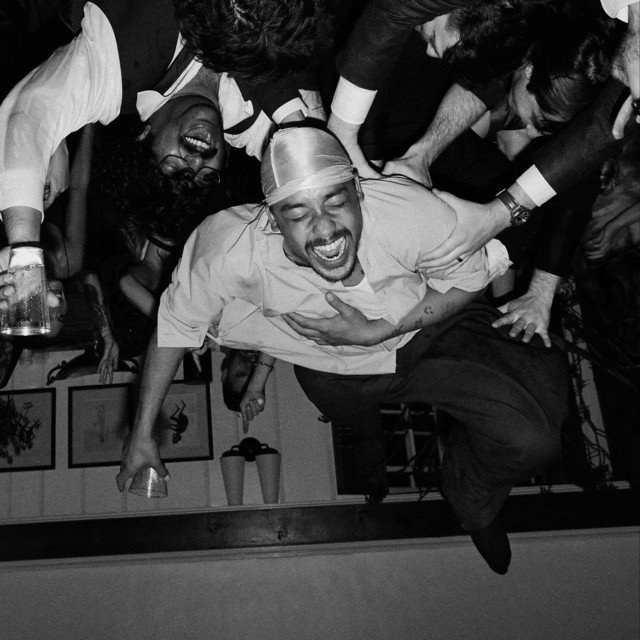
Pitchfork placed Baby at number 2 on their year-end list whilst Spotify streams remained modest. That gap reveals how the album functions: as a vocal performance showcase that reveals its sophistication through headphone listening, not algorithmic playlisting.
Dijon understands classic R&B vocal traditions and modern production aesthetics without treating either as museum pieces requiring preservation.
The warmth here comes from deliberate restraint. He could belt every line. He chooses not to because emotional intimacy requires space, not volume.
Critics noticed immediately. The album sits comfortably between Frank Ocean’s introspection and D’Angelo’s neo-soul mastery whilst sounding entirely like neither.
That’s exceptionally difficult to achieve: honouring influence without replication, building on tradition without being trapped by it.
Olivia Dean – The Art of Loving

Olivia Dean made one of the year’s most accomplished soul records without sounding like a tribute act, which is harder than it appears.
The Art of Loving showcases someone who studied Amy Winehouse, Lauryn Hill, and classic Motown without mistaking reference for identity.
The vocal performances justify the price of admission. The songwriting keeps you returning because it understands tradition without being paralysed by it. This is modern soul that knows where it came from whilst refusing to stay there.
Bon Iver – Sable, Fable

Justin Vernon’s latest continues his exploration of what folk music becomes when you strip away all preconceptions about what folk should sound like.
Critics flagged the decision to attach last year’s indie folk EP to this pop-soul album as inelegant. They’re right.
The core of Sable, Fable still delivers exactly what Vernon does best: innovation that feels earned rather than forced, emotion that cuts through production choices, moments of genuine beauty that justify experimental scaffolding.
JID – God Does Love Ugly
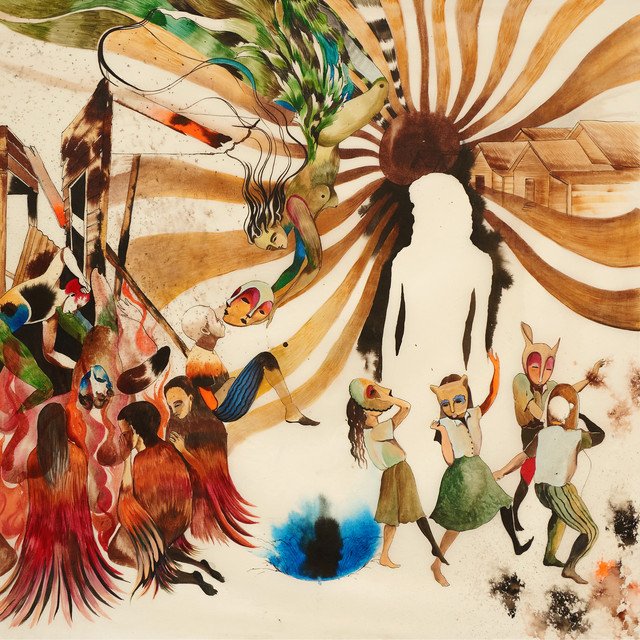
JID’s God Does Love Ugly doesn’t reach The Forever Story heights. The sequencing stumbles. The concept doesn’t quite land.
What remains: bars that make other rappers look pedestrian, flows that switch mid-verse without announcing themselves, technical ability that cements him as one of the most skilled emcees working today.
Sometimes that’s enough. Not every album needs to be an artist’s definitive statement. Sometimes displaying continued mastery whilst experimenting with new approaches matters more than sticking every landing.
Tyler, The Creator – Don’t Tap the Glass
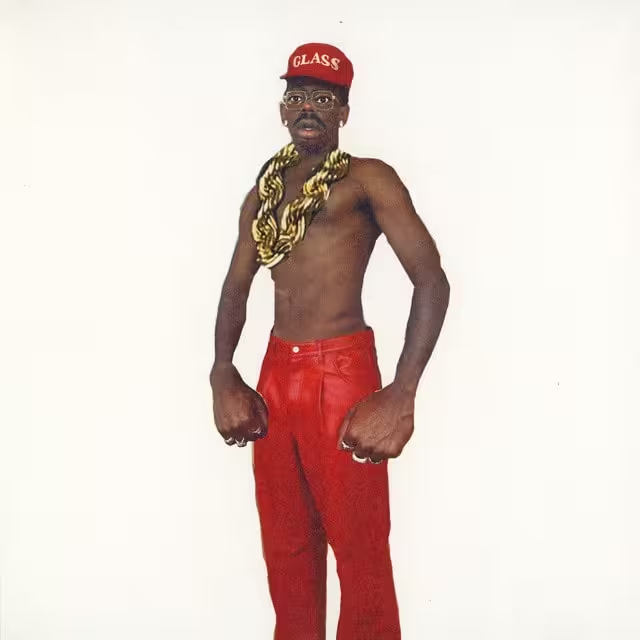
Tyler delivered something unexpected with Don’t Tap the Glass: more pop, more dance, more summer-ready than anything in his discography.
The result works better than it should because Tyler understands how to subvert expectations whilst still delivering quality.
Is it his best work? No. Does it show continued growth and willingness to explore outside his comfort zone? Absolutely. Sometimes an artist’s catalog needs exactly this: proof they’re not repeating themselves.
Jon Bellion – Father Figure
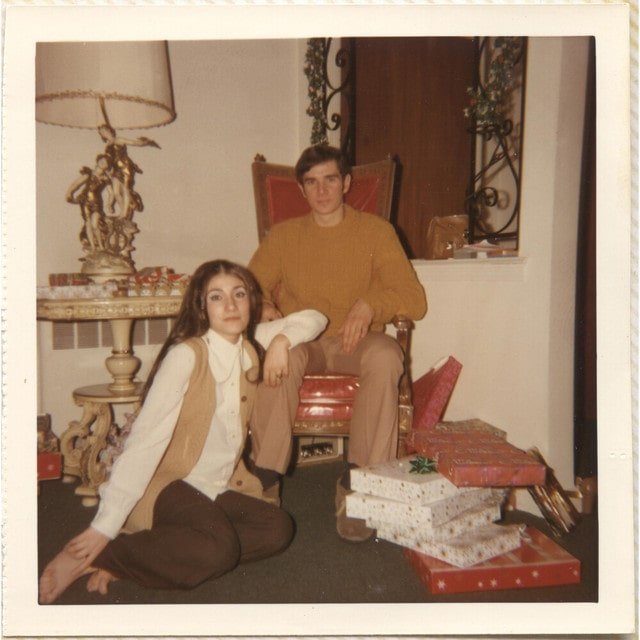
Jon Bellion’s Father Figure arrived with less fanfare than it deserved, which happens when you’re known primarily as a producer’s producer rather than a pop star.
The production alone justifies attention because Bellion understands how to build songs that feel intimate whilst employing every modern trick without sounding calculated.
This is intelligent pop music made by someone who refuses to talk down to listeners. It functions perfectly well as background music whilst revealing layers when you actually pay attention, which is the hallmark of genuine craft rather than obvious ambition.
What 2025 Actually Revealed
The disconnect between critical acclaim and fan engagement reached its logical conclusion this year. Rosalía scored a 95 on Metacritic. Sleep Token sold out 20 arenas to savage reviews.
Bad Bunny dominated streaming whilst topping Pitchfork’s list. Geese placed high on year-end lists whilst barely registering commercially.
None of this represents failure. It represents the final collapse of a monoculture that never existed as completely as we pretended it did.
Critics listen for arrangement choices, production techniques, lyrical sophistication, sonic innovation. They’re trained to notice things casual listeners don’t care about and shouldn’t need to.
Fans listen for feeling, for connection, for songs that soundtrack actual lives rather than hypothetical listening sessions.
Both approaches reveal different truths about an album’s value, which is why the best albums of 2025 worked on multiple levels simultaneously.
Lux satisfied both camps because it’s objectively ambitious whilst being emotionally devastating. DeBÍ TiRAR MáS FOTOS connected globally because the groove transcends language barriers whilst the production rewards close listening. These achieved something increasingly rare: multi-context success.
But some of our personal favourites exist in the gaps. We returned to Even in Arcadia despite Pitchfork’s dismissal because messy ambition sometimes matters more than perfect execution.
We kept Sincerely in rotation even though it didn’t spawn hits because craft shouldn’t always announce itself to be valuable.
The question isn’t whether an album is “good.” The question is whether it knows what it wants to be and commits to that vision without apology.
Rosalía wanted to make orchestral avant-pop inspired by female mystics. She did. Sleep Token wanted to blend metal, pop, and R&B into arena-filling epics. They did.
Bad Bunny wanted to honour Puerto Rican musical tradition whilst pushing reggaeton forward. He did.
Your job as a listener isn’t to determine which approach is “correct.” It’s to figure out which resonates and why.
The numbers and reviews are guides, not verdicts. Stop asking whether critics or fans are right. Start asking whether an album accomplishes what it set out to do, and whether that accomplishment matters to you specifically. Everything else is just noise.