

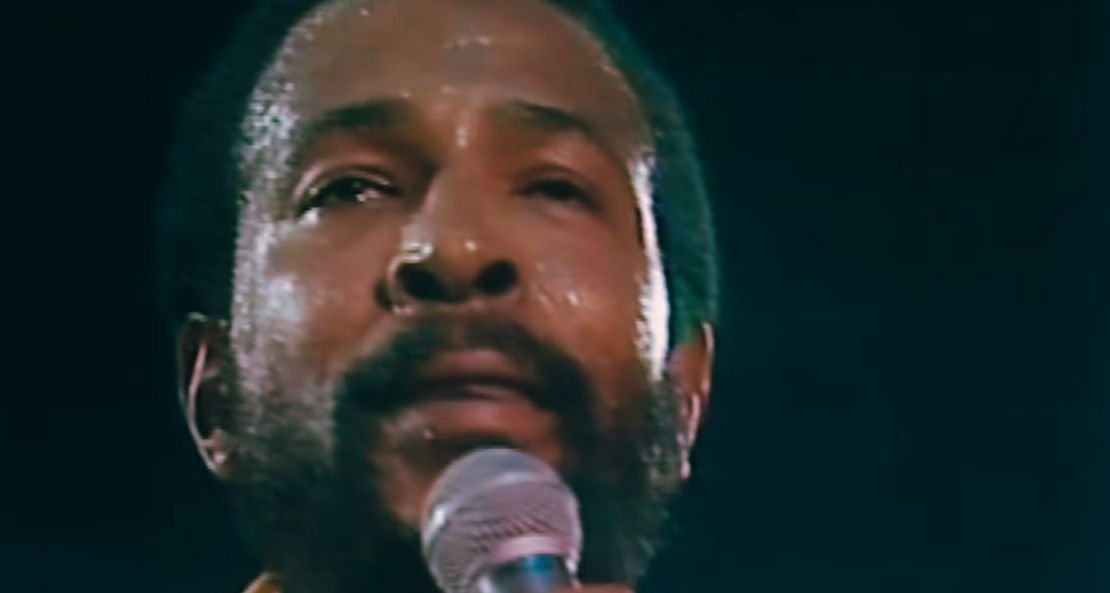
The joke writes itself: look at Marvin Gaye’s discography and count the question marks.
“What’s Going On,” “What’s Happening Brother,” “Where Are We Going?,” “How Deep Is the Ocean,” “What Kind of Fool Am I?” The man sounds lost, confused, perpetually searching for answers he never finds.
Except there’s no question mark in “What’s Going On.” And that changes everything.
Gaye wasn’t asking. He was witnessing. The questions were a form of documentation, a way of forcing listeners to see what everyone else was pretending didn’t exist.
When your brother comes home from Vietnam crying about the things he’s seen, when police are beating anti-war protesters in the streets, when Berry Gordy tells you your album is “the worst record I ever heard”, you don’t need answers.
You need people to stop pretending they don’t understand the question.
The album that Gordy rejected sold over two million copies in its first year. It sat at number one on Rolling Stone’s 500 Greatest Albums of All Time in 2020 and 2023.
Not because Gaye provided solutions, but because he refused to accept the premise that everything was fine.
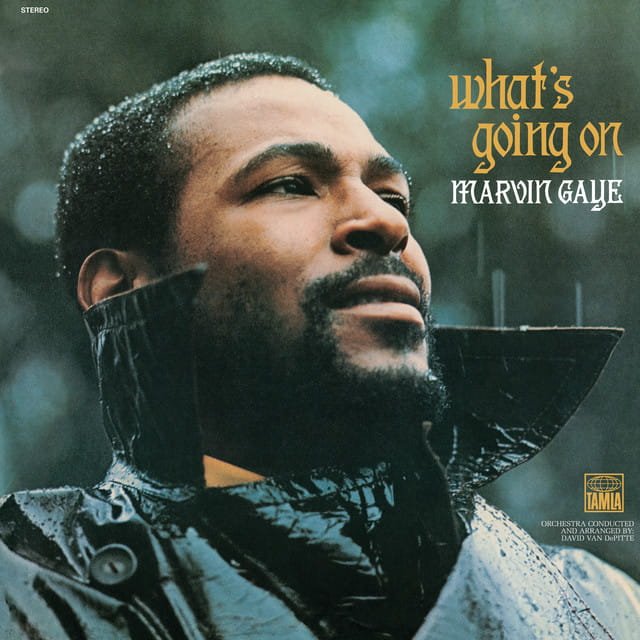
Why Marvin Gaye Used Questions in His Song Titles
When “What’s Going On“ emerged in 1971, Berry Gordy called it “the worst record I ever heard”. The Motown machine existed to produce love songs that moved hips and shifted units.
Gaye arrived with an album that addressed police brutality, environmental collapse, the Vietnam War, and economic devastation in nine seamless tracks. Questions framed as observations. Observations framed as questions.
The Story Behind “What’s Going On”
The title track itself contains no question mark. That matters. “What’s going on” reads as inquiry and statement simultaneously.
Renaldo “Obie” Benson witnessed police attacking anti-war protesters at Berkeley’s People’s Park in 1969.
He returned to Detroit asking actual questions: why are they sending kids overseas?
Why are they attacking their own children in the street? Those weren’t rhetorical flourishes. They were the only honest response to what he’d seen.
Gaye’s brother Frankie returned from Vietnam and the two brothers cried together in their childhood bedroom. Marvin told him afterwards, “I didn’t know how to fight before, but now I think I do.”
The fighting came through interrogation. Through refusing to accept the answers already provided.
But it also came through sound. Gaye layered his vocals three deep, creating a conversational texture that mimicked actual people talking over each other at a party.
The opening literally features party chatter he recorded. The Funk Brothers played saxophone lines that wandered rather than resolved.
The production feels hazy, uncertain, which wasn’t an accident or a limitation. You can’t package certainty in a neat three-minute single when nothing about the world makes sense. The haziness was honesty.
What Marvin Gaye’s Question-Titled Songs Really Mean
Look at the rest of the titles: “What’s Happening Brother” doesn’t actually ask. It acknowledges disconnection as fact.
“Mercy Mercy Me (The Ecology)” questions environmental destruction before climate consciousness became culturally acceptable.
“Inner City Blues (Make Me Wanna Holler)” asks nothing at all because by that point in the album, the questions have collapsed into desperation.
The vocal delivery supports this. On “What’s Going On,” Gaye’s tenor floats above the arrangement, conversational rather than declarative.
He multi-tracked himself to sound like he’s overhearing his own thoughts. The falsetto moments aren’t showboating: they’re vulnerability made audible.
When he sings “mother, mother” at the opening, it sounds like he’s trying to wake someone up gently, not demanding answers.
Gaye spent his career interrogating love, desire, morality, society, and self. Those other question-titled tracks: duets with Mary Wells and Kim Weston where romance became negotiation.
Standards like “What Kind of Fool Am I?” where he borrowed questions from musical theatre to examine his own emotional architecture.
The production on these earlier tracks kept questions tidy, resolved. “What’s Going On” let them hang in the air, unfinished business that seguéd directly into the next track without pause.
The Commercial Success of “What’s Going On”
The album sold over two million copies in its first year. Rolling Stone ranked it number one on their 500 Greatest Albums of All Time list, and it continues to influence artists across genres.
Yet Gordy initially refused to release it because Motown wasn’t built on personal statements.
Gaye complicated matters by bringing in his own musicians and insisting on credit as producer. He wanted control over how the questions were asked.
What changed between Gordy’s rejection and the album’s success was nothing about the music. The questions remained the same.
What shifted was the listener’s willingness to admit they didn’t have answers either.
The singles kept climbing because people recognised themselves in the confusion.
The production itself facilitated this recognition: tracks bleed into each other without clear breaks, creating a continuous flow that mimics how problems compound rather than resolve.
The saxophone on “Mercy Mercy Me” carries over from the previous track. Nothing ends cleanly.
You might also like:
- Marvin Gaye: The Iconic Hits That Define His Legacy
- Heroes” by David Bowie — Song Story, Lyrics & Meaning
- Protests Songs: Amplifying Voices Through Music
- How Bobby Caldwell’s What You Won’t Do for Love Changed the Face of Soul Music
- Neo-Soul Renaissance: Must Listen Artists of 2023 and the Evolution of a Genre
- Top 10 60s Hits That Shaped Folk Music
How Marvin Gaye’s “What’s Going On” Became a Protest Anthem
Social consciousness in music gets treated as a genre now, something artists opt into when they want to “say something important.”
But Gaye’s questioning wasn’t a departure from his love songs. It was the same instinct applied to bigger systems.
Both romantic and political interrogation require admitting something isn’t working. Both require asking aloud when everyone else is pretending.
People sometimes mistake his question-titled songs for uncertainty. But that misreads what questions do during actual crises.
In 1971, when cities were burning and kids were coming home from Vietnam in body bags, the people asking “what’s going on” weren’t confused.
They were the only ones refusing to accept the official story. The ones with all the answers (politicians, Motown executives, anyone insisting everything was fine) were either lying or deluded enough to believe their own lies.
The vocal arrangement itself embodies this. Gaye recorded multiple takes of himself having a conversation with himself: lead vocal, harmony, ad-libs all happening simultaneously.
It’s the sound of someone processing information in real time, not delivering pre-packaged conclusions.
That’s why the album still sounds contemporary. The format of constant questioning, of refusing resolution, became the template for conscious rap and neo-soul that followed.
Why Questions Matter More Than Answers
Marvin Gaye titled songs as questions because statements close conversations. Questions hold space open. They demand engagement. They refuse the comfort of conclusion.
Fifty-four years later, “What’s Going On” still works because it never tried to resolve itself.
The album’s final moments reprise the title track briefly, then fade out mid-phrase.
Not even a proper ending, just the sound of someone still trying to make sense of what they’re seeing, still waiting for the rest of the room to admit they see it too.
Marvin Gaye’s Influence on Modern Soul and Hip-Hop
His influence extends through modern neo-soul and contemporary artists who understand that interrogation is often more honest than declaration.
From Kendrick Lamar’s socially conscious hip-hop to contemporary R&B artists who blend personal and political themes, Gaye’s template of questioning rather than declaring remains relevant.
The album has been used in protests worldwide, from anti-apartheid movements to Black Lives Matter demonstrations.
Its questions transcend their original 1971 context because they were never really about that specific moment.
They were about the permanent condition of asking what’s happening when the official narrative doesn’t match what you’re seeing with your own eyes.
Gaye gave interviews later where he said creating “What’s Going On” required “a lot of soul searching, a lot of meditation.”
By the time he recorded “Sexual Healing” in 1982, he’d moved away from social commentary entirely. The questions had exhausted him.
But the album itself never tires because it never pretends the conversation is over. The final track reprises “What’s Going On” briefly, then fades out mid-phrase.
Not even giving you the satisfaction of an ending, just the sound of someone still looking around the room wondering when everyone else will stop acting like they don’t see what he sees.