
“Chicago Freestyle” is a song about a man who can get into any room and still cannot reach anyone inside it. Drake is on tour in Chicago. He texts two women. One has a boyfriend. The other’s number goes straight through, no ring, which he reads as a changed phone. His OVO associate Chubbs locates someone new.
Drake spends the rest of the song half convinced she is only there for what he represents. Giveon’s chorus runs underneath all of it, wanting something Drake has already stopped offering. Neither of them says that out loud.
When Giveon wrote the Chicago chorus, he was nobody. He was on tour as an opener’s opener, playing for crowds that had not shown up yet. He had been doing city-specific freestyles as a way to pass time on the road. Chicago gave him the hook. He did not expect it to go anywhere.
He found out Drake had built a song around it while the tour was still running, listening off someone’s phone at an airport. Early listeners assumed the voice was Sampha. It was not. The connection came through Sevn Thomas, who played piano on the track, with Noel Cadastre handling production alongside him. A freestyle nobody heard ended up on one of the more disarming songs of 2020.
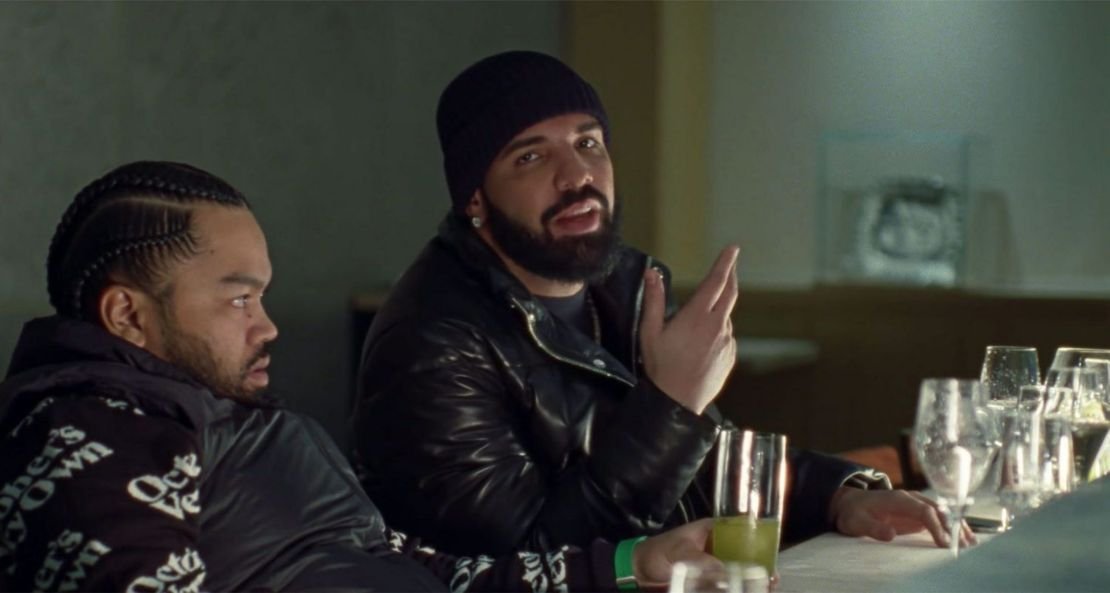
The track first appeared on SoundCloud on February 29, 2020, paired with “When to Say When” and a Theo Skudra-directed video. The video was shot in New York, including scenes at Marcy Projects in Brooklyn. Not Chicago. The city in the title is where the feeling happened. The footage is somewhere else entirely.
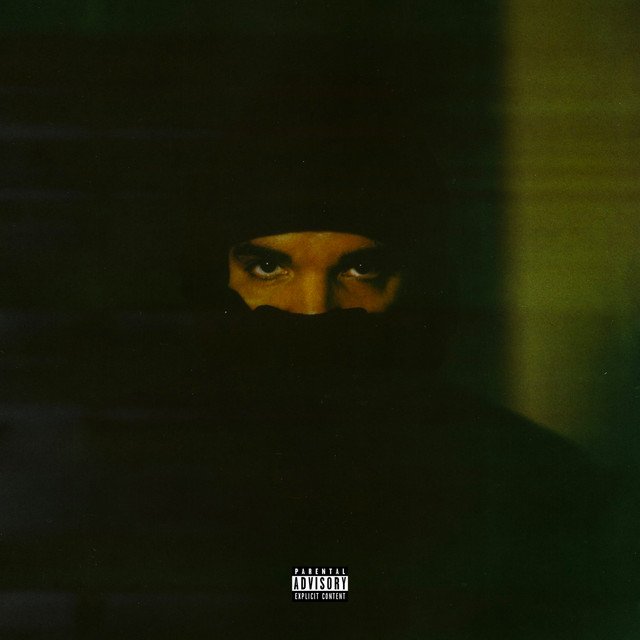
The official release followed on May 1, 2020, as part of Dark Lane Demo Tapes. It reached number 10 in the UK and number 14 on the Billboard Hot 100.
Drake’s verses run like a logistics report with something sitting underneath it. Truck to plane to truck, underground garages, presidential suite on deposit, elevator, shower, club. Not flexing. Just listing it. The word “truck” opens the first verse and comes back in the second in the same way. He keeps moving and keeps landing in the same place.
Inside that movement is the actual situation. He texts two women. The first has a man. The second’s number goes green, meaning she is no longer reachable. He does not react to either in any visible way. It is noted and moved past. Chubbs finds someone new. He is already treating her too well, spending at the Galleria, and he does not even know if she is someone’s wife.
He drops “that was 2017” without build or emphasis. Just a date attached to something that once felt real, now filed away.
The second verse makes the world around him more visible. Jewelry in a safe on arrival, a pistol on him for survival, people trying to take him viral. He’s not just moving through cities, he’s moving through cities where he has to think about all of that before he can try to have a normal night.
He offers a backstage pass. All access because she is bad. Whether she is there for him or for what comes with him stays unanswered. She goes into the club first with her girls because he does not know who is watching. Even in his own space, there is distance.
The pre-chorus pulls from Superman. The original plays that cycle of relationships with irony. Drake takes the same structure and removes that layer. “Maybe I’ll love you one day / maybe we’ll someday grow” lands flat on purpose. Then he leaves himself on the runway, drunk, not going anywhere.
Giveon’s chorus sits in a completely different place. He wants to meet by The Bean at 2:30 in the morning. He wants to be held because it is cold. He asks if he will be at the show. There is no distance in how he says it.
His voice moves slower, lower, drifting through the track. Drake sounds controlled, already decided. Giveon sounds like he is still in it. That difference holds the song together.
“Chicago Freestyle” fits into a pattern Drake returns to. City-based titles, reflective moments, no real resolution. Songs like “4PM in Calabasas” follow that same approach. The city becomes a frame around where he is at that time. Here, Chicago is a text that goes nowhere, a hotel room, a credit card, a name that is never said.
What stands out is how sure he sounds. There is no passion in how he delivers any of it. He has already decided what these situations are. He admits “I done plenty sinnin’ in the past” and leaves it there.
It ends in the same place it starts. On the runway, still moving in one direction.
Drake can get anywhere. He can pay for any night, move through any city, have his crew find someone when he needs to. None of that brings him closer to what Giveon is asking for in the chorus. Giveon wants something simple. Drake cannot even confirm what the person in front of him wants.
The video places him in New York, walking through Marcy Projects. The title says Chicago. The feeling sits somewhere else.
You might also like: