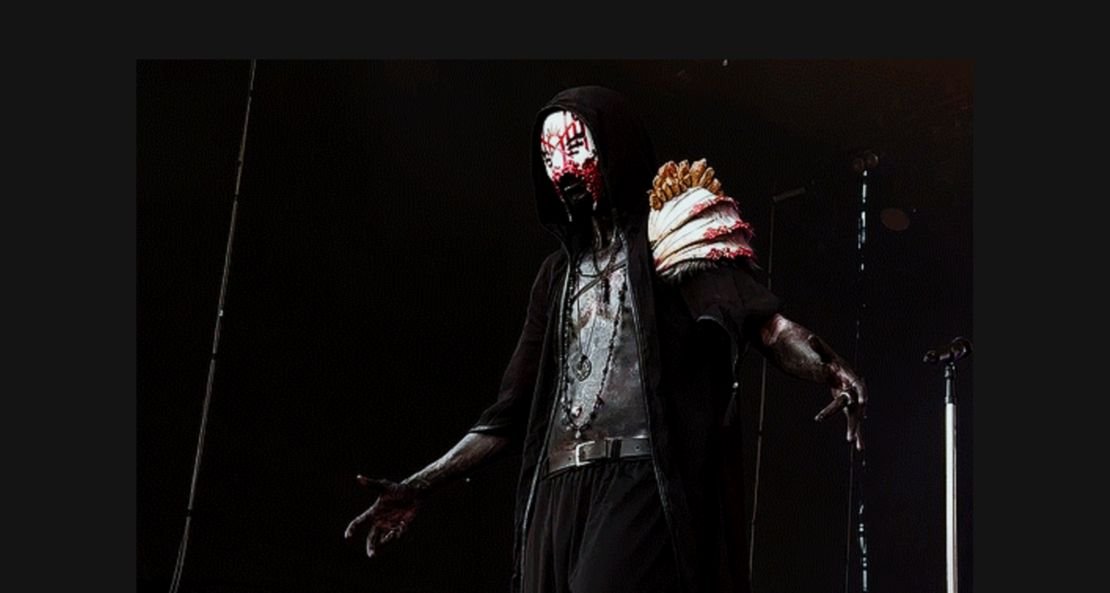
The masked collective has turned the metal world into a battlefield, and honestly? They never asked for any of this.
You scroll through any metal forum right now and you’ll see it. Sleep Token gets mentioned, the thread explodes. Someone posts a clip from Download Festival, 200 comments appear within an hour.
Half worship the band like they’ve discovered the second coming. The other half act like Sleep Token personally murdered traditional metal and buried it in a shallow grave.
There’s no middle ground anymore. You either love them or you’re convinced they’re everything wrong with modern heavy music. And the wild part? The band itself maintains near-total silence while everyone else tears each other apart in the comments.
Seven months after Even in Arcadia dropped in May, the division has only gotten worse. We need to talk about why this band, of all bands, became metal’s most polarising act since nu-metal crashed the party in the late ’90s.
The Fan Problem Nobody Wants to Admit
Let’s be blunt: some Sleep Token fans have lost the plot. Not all of them, not even most of them, but enough that it’s become a genuine problem.
They’ve stopped being music fans and morphed into something closer to religious devotees, which feels deeply ironic given the band literally pretends to worship a fake deity called Sleep.
Spend five minutes on Reddit and you’ll find threads dissecting every syllable Vessel breathes, constructing elaborate theories about the lore, policing anyone who interprets a lyric differently.
God forbid you admit you only started listening after “Take Me Back to Eden” in 2023. The gatekeepers will let you know you’re not a real fan, despite that album only being two years old.
The worst part? Some of these fans actively try to unmask the band members. They stalk social media, dig through old photos, attempt to dox people who just want to make music anonymously.
Vessel wrote about this exact behaviour on Caramel, where he pleads for basic human dignity while fans transform his work into obsessive consumption.
The track uses the metaphor of sugar burning under heat to describe fame’s transformation, and it’s not subtle.
Here’s the kicker though: The New York Times just named Caramel the best song of 2025. Not best metal song. Best song, full stop. They beat Drake, Lady Gaga, Sabrina Carpenter, and Justin Bieber. The Times called it ‘a huge, gloriously silly and brutally effective amalgam’ of rap metal, dream-prog, pop-reggaeton, and more.
So while metal purists argue whether Sleep Token counts as real metal, one of the world’s most respected publications just declared them the year’s most important musical act.
Damocles strips everything down to piano and raw vulnerability, Vessel singing about the sword hanging over his head while knowing the chords are boring but choosing honesty anyway.
These fans don’t see the irony. They consume songs explicitly about invasive obsession while engaging in the exact behaviour Vessel criticises. It’s almost cruel to watch.
You might also like:
- Falling In Reverse’s God Is A Weapon Lyrics Meaning
- Fujii Kaze Serves Retro Glam in Casket Girl Video
- Florence + The Machine “Sympathy Magic” Lyrics Meaning
- NF and mgk’s WHO I WAS: Two Voices United in Vulnerability
- Sam Fender & Olivia Dean’s Rein Me In Lyrics Meaning Unpacked
Then You See Them Live and Everything Changes
Here’s what the online warriors miss: Sleep Token are genuinely brilliant live. Like, undeniably, shut-your-mouth-and-watch brilliant. I’ve photographed enough bands to know when a live show transcends the music itself, and Sleep Token do exactly that.
Three years ago they were support acts in mid-tier venues. This summer they headlined Download Festival alongside Korn and Green Day.
When Download founder Andy Copping announced the decision in November 2024, people absolutely melted down. Too new. Too soft. Not metal enough.
The usual complaints from people who apparently missed Slipknot, Avenged Sevenfold, and Bring Me The Horizon all getting similar backlash when they first headlined major festivals.
Then June happened. Korn’s Brian ‘Head’ Welch watched from backstage and said Sleep Token ‘shut everybody up’ with a stage production that went ‘bigger than a Slipknot stage.’ That’s high praise from someone who’s seen it all.
The setlist told you everything about their strategy. Open with Look to Windward, The Offering, and Vore. Give the metal purists the crushing riffs and screamed vocals they demand. Prove you can deliver genuine heaviness.
Then, once you’ve earned their attention, bring out the atmospheric material, the R&B vocals, the genre-blurring moments that make you special. By that point, they’ve already committed.
This explains the rapid growth better than any streaming numbers. Every festival appearance creates converts.
Those new fans go online and defend the band with the passion of the recently saved. More fans, more defenders, more arguments, more publicity. The cycle feeds itself.
The Metal Police Won’t Stop Screaming
Right, let’s address the elephant wearing corpse paint in the room: the metal elitists who cannot physically stop themselves from declaring Sleep Token ‘not metal’ in every comment section they encounter.
You know the type. Fifty-year-old blokes who think metal peaked with Sabbath and everything since has been a dilution of the pure sound.
They’ll scream about authenticity while completely ignoring that metal has always evolved, always incorporated new influences, always pushed boundaries.
The hilarious bit? Sleep Token never claimed to be purely metal. Vessel has done one interview ever, in written format, and the band maintains radio silence on genre classifications.
They make music, worship their fake god, and let everyone else argue about labels. The obsession exists entirely in listeners’ heads.
Someone ran a poll asking if Sleep Token counts as metal. Over 2,000 votes, 66% said yes. But that third who said no? They make sure everyone hears about it. Constantly. Loudly. In every single thread, whether anyone asked or not.
Look at the actual music though. Progressive metal structures? Check. Meshuggah-inspired djent riffs? Absolutely. Screamed vocals and crushing breakdowns? Throughout the entire catalogue. The presence of R&B melodies and trap-influenced percussion doesn’t erase the metal foundation. It expands it.
But try explaining that to someone whose entire identity revolves around gatekeeping what ‘real metal’ sounds like.
Even in Arcadia Poured Petrol on the Fire
When Even in Arcadia dropped in May, it became immediately clear this was their softest, most atmospheric record yet. Early singles like Emergence wrapped Vessel’s vocals in shimmering production, offering brief detonations of heaviness but prioritising melody and mood over aggression.
The metal purists saw this as vindication. See? They’re going pop. We told you they weren’t real metal. The devoted fans saw it as artistic evolution. Everyone else just tried to enjoy the music while dodging the crossfire.
Gethsemane sits at the album’s emotional core, pulling from biblical imagery to explore personal betrayal and identity fracture.
The track shifts between black metal intensity and R&B smoothness without warning, which pretty much sums up Sleep Token’s entire approach: why choose one genre when you can weaponise the contrast between all of them?
The meta-textual elements feel unavoidable this time. Caramel’s plea for humanity resonated so deeply that The New York Times recognised it as 2025’s best song.
These songs document what happens when success becomes suffocating, when attention transforms from flattering to invasive, when you write explicitly about needing space and the fans ignore the message entirely. The album turned personal crisis into art, and the world noticed.
What This Actually Means for Metal
Strip away the fan wars and genre debates for a second. Sleep Token represents something genuinely important: a potential answer to metal’s ageing crisis.
Bruce Dickinson literally warned about this. Legacy headliners can’t tour forever. The traditional pathway for developing new metal acts has largely collapsed.
Smaller venues disappear, financial risks keep promoters booking the same proven names, and the industry prioritises safe bets over artistic investment.
Sleep Token built their audience through streaming and viral moments instead of the traditional touring circuit. Their anonymity generates organic marketing money can’t buy.
They cross genre boundaries that might let them tour with non-metal acts, exposing heavy music to audiences who’d never attend a traditional metal festival.
This terrifies purists because it suggests the old rules don’t apply anymore. What if labels start pushing more bands toward pop-influenced sounds? What if viral potential becomes more valuable than underground credibility?
But that assumes a zero-sum game. Sleep Token’s success doesn’t prevent traditional metal bands from thriving.
The streaming era creates space for both underground death metal and genre-blurring progressive acts. Different audiences want different things. The market expands instead of contracting.
The real question: can metal fans accept diversity within the genre, or will purity tests destroy the ecosystem from within?
Where We Go From Here
Nothing changes. That’s the honest answer. Metal elitists will keep complaining. Obsessive fans will keep obsessing. The band will maintain their silence, create music they believe in, and watch as everyone else argues about what it means.
Even in Arcadia dominated streaming platforms all summer and autumn. The arena tour sold out in hours. Festival offers keep arriving. The machine grows larger, fed equally by devotion and disdain. Every argument generates publicity. Every controversy drives curiosity.
The people stuck in the middle suffer most. Casual fans who appreciate some songs but not others. Those who recognise talent while acknowledging the music doesn’t always connect. Anyone trying to have a nuanced conversation gets drowned out by extremes on both sides.
Social media algorithms reward hot takes. Moderate opinions generate minimal engagement. The platforms actively push people toward the poles, making measured discussion nearly impossible. Sleep Token didn’t create this environment, but they’ve become its most perfect vessel (pun intended).
Look at tracks like
Ascensionism or Infinite Baths. These are genuinely compelling songs that blend genres with confidence and skill.
They deserve to be discussed on their own merits, not as ammunition in some pointless culture war about what ‘real metal’ sounds like.
But that ship sailed a while ago. The music became secondary to the discourse surrounding it. Sleep Token exists now as much as a cultural lightning rod as a musical act.
Maybe that’s the point though. In an era where attention spans shrink and genuine artistic risk feels increasingly rare, Sleep Token forces engagement. You can’t be neutral about them. Love them, hate them, but you will have an opinion.
They sell out arenas. They headline major festivals. The New York Times just named Caramel the best song of 2025, placing them above every pop star and rapper in the world.
They push boundaries and refuse categorisation. These accomplishments speak louder than any genre label or fan debate.
You cannot escape Sleep Token. And perhaps that’s exactly what metal needs right now, whether the purists like it or not.