


Quick Take: Oyster is Chloe Moriondo’s most cohesive album to date, blending hyperpop and alt-pop textures into a focused record about repeated relationship patterns rather than dramatic closure.
Oyster is Chloe Moriondo’s most sustained work to date. The genre shifts that defined Rabbit Hearted, Blood Bunny and SUCKERPUNCH are still audible, but none of them dominates here. The mood stays consistent across all thirteen tracks.
SUCKERPUNCH leaned into maximal gloss and volatility. Blood Bunny thrived on pop-punk urgency. Oyster pulls both instincts inward and keeps them contained.
Released March 28, 2025 via Fueled By Ramen, Public Consumption and Atlantic, the album was produced primarily by Jonah Summerfield and AfterHrs, with additional work from Chloe Kraemer.
The production blends hyperpop and alt-pop without leaning fully into either. Percussion is clipped. Synth lines stay sharp but controlled. Vocal processing is present, though never exaggerated.
Nothing on Oyster feels sonically mismatched. The mood in the lyrics matches the mood in the production, track after track.
When the writing tightens, the arrangements tighten with it. When she circles doubt or attraction, the music does not undercut the feeling. The record holds its direction from start to finish.
Oyster focuses on repeated relationship dynamics rather than a single breakup narrative. The songs track attraction, retreat, doubt and return without presenting a clean break.
How Oyster Compares to SUCKERPUNCH and Blood Bunny
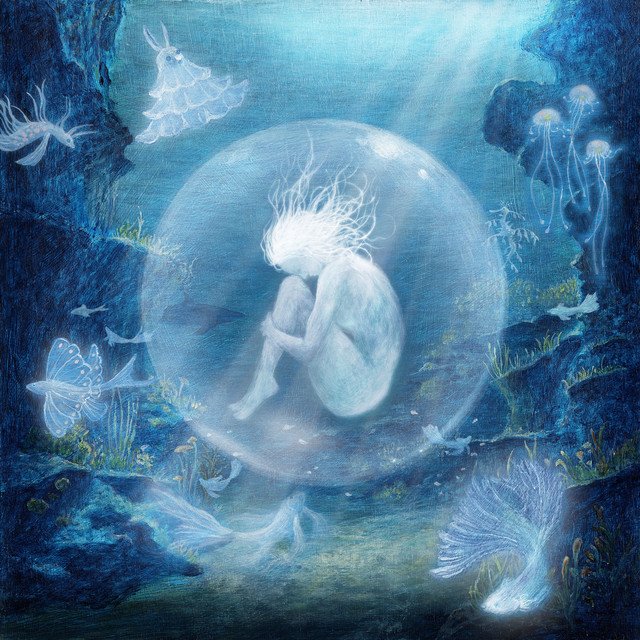
Moriondo has tied the project to ocean imagery, and the references run throughout the titles and writing.
The motif is repeated, but the album’s cohesion comes from the situations it keeps returning to. Attraction followed by second-guessing. Confidence followed by retreat. New beginnings that echo old decisions.
Earlier records often pivoted sharply between styles. Oyster keeps its emotional and sonic register aligned throughout.
Track Highlights from Oyster
The opening stretch establishes the pattern quickly. “Catch,” “raw” and “hate it” deal with attraction that already feels unstable. The choruses repeat with precision. Desire is stated plainly, then complicated within the same verse. The percussion stays contained; the synth lines hold their shape.
“Hate It” sharpens the fixation. The chorus is blunt. The bass line loops low and insistent. The track never expands beyond its central obsession.
Midway through the record, the tempo lifts on “abyss” and “oyster.” Drums hit harder. Synth textures become more active. The writing does not shift tone.
“Shoreline” narrows the scope. The lines are direct. The arrangement leaves space between phrases. Fewer layers. More room in the mix.
The latter half keeps returning to repetition of behaviour. “Parasite,” “7seas,” “weak” and “use” acknowledge patterns without claiming resolution. Attraction resurfaces even after it has been named. The beats stay tight. The choruses land cleanly.
“Sinking,” “pond” and “siren calling” close the record at a slower pace. The arrangements thin out. The album does not end with a climax. It fits the album’s tone. Nothing here pretends the cycle has been broken.
The consistency comes at a cost. Several tracks end just as they begin to deepen. “7seas” and “raw” feel slightly compressed. An additional verse might have shifted them from strong to definitive. The tight structures keep the songs moving quickly. At times, the album feels cautious about pushing further than its established frame.
Oyster commits to its frame and holds it.
You might also like:
- Lady Gaga’s Abracadabra Review & Meaning: A Spellbinding Return to Dark Pop
- Chappell Roan The Giver Meaning and Review: A Country-Pop Anthem
- Ariana Grande’s Twilight Zone Lyrics Meaning Explained: Reality, Regret, and the Uncanny Echo of Divorce
- Sword by Wisp Lyrics & Meaning: A Shrouded Cry for Visibility Disguised in Dream Pop Armour