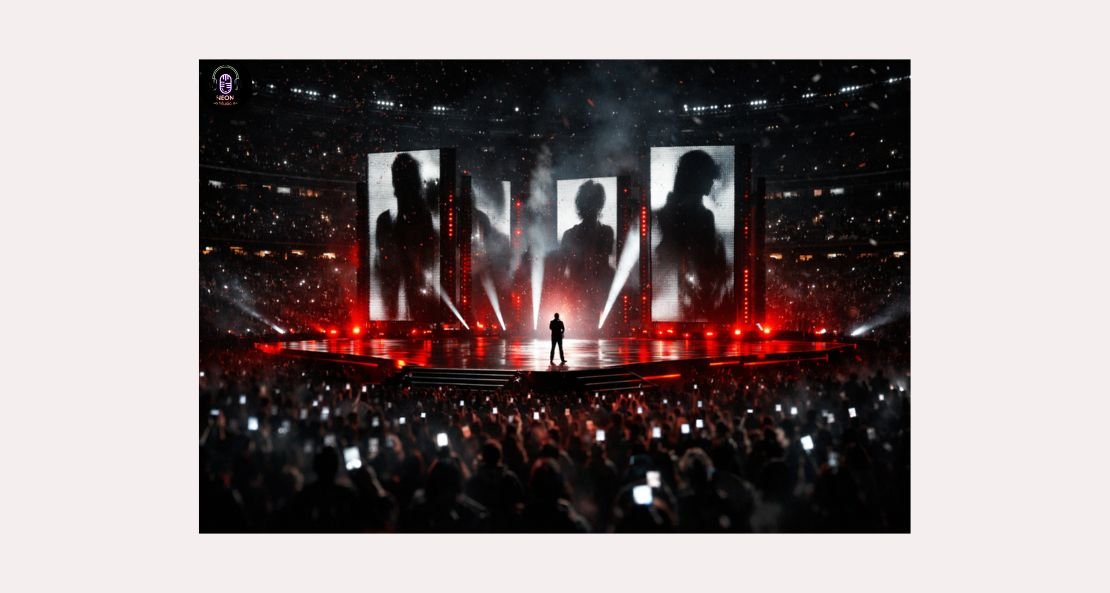
The Super Bowl halftime show stopped pretending to be a concert years ago. It became a mirror instead.
A place where artists rehearse their power, test public opinion, and sometimes lose control of their own mythology in front of millions.
The performances people keep replaying are not the cleanest or most technically perfect. They are the ones where the illusion cracked just enough to feel human.
The current obsession with ranking the most iconic Super Bowl halftime shows says more about our culture than about the NFL.
Search spikes around phrases like “super bowl halftime shows in order” show audiences chasing context, not nostalgia.
According to research from Live Football Tickets, searches for this phrase skyrocketed by 5,000% in the 24 hours before Bad Bunny’s February 8th performance, suggesting people want to understand how a stage designed for spectacle keeps producing moments that feel strangely personal.
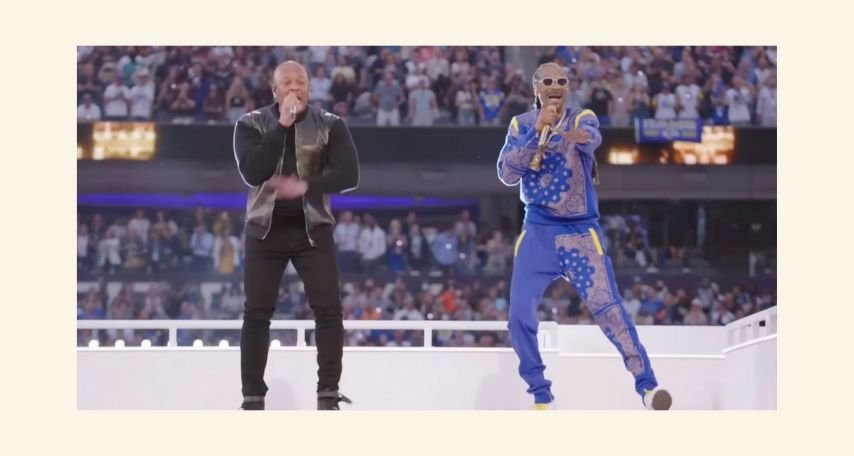
Dr. Dre’s 2022 show still leads the pack in YouTube views, sitting comfortably at the top of most watched halftime performances.
But what keeps that performance circulating is not just its hip hop reunion energy. It felt like a rewriting of mainstream memory.
A genre once pushed to the edges of American television suddenly occupied its centre, framed as heritage rather than rebellion.
The piano nod to Tupac turned the stage into a memorial as much as a party, reminding viewers that nostalgia often hides unresolved history.
Two years earlier, Shakira and Jennifer Lopez delivered a halftime show that moved with the speed of social media itself.
The choreography, the bilingual setlist, the refusal to slow down even for breath created a performance that mirrored the way global pop now travels. It did not ask for approval. It announced presence.
The fact that it ranks among the most watched halftime shows ever says less about spectacle and more about shifting demographics shaping American entertainment.
Then came Rihanna, suspended above the stadium in red, revealing her pregnancy without saying a word.
That moment unsettled the idea of what pop dominance looks like. The performance rejected the traditional comeback narrative.
She did not move like someone trying to prove relevance. She moved like someone who knew the world would watch regardless.
The halftime show became a quiet declaration of autonomy disguised as a medley of hits.
Kendrick Lamar’s recent performance sits high on the ranking despite being relatively new, a reminder that controversy travels faster than legacy.
He turned the stage into a cultural chessboard, weaving sharp glances and lyrical barbs into an arena usually reserved for crowd-pleasing spectacle.
The now-viral moments linked to ongoing rivalries did not feel accidental. They felt like a reminder that even a corporate stage cannot fully contain hip hop’s appetite for confrontation.
Neon Music explored how that brief camera stare transformed into a marketing storm far beyond the stadium, proof that halftime shows now exist as internet currency as much as live performances.
Not every iconic halftime show relies on tension. Lady Gaga’s aerial opening and Coldplay’s colourful celebration revealed another shift.
Pop began leaning into theatrical excess at a moment when social media rewarded visual extremes.
These shows understood that the halftime stage doubles as a vertical video feed long before TikTok existed.
The most replayed clips look like they were designed for phones as much as television.
And then there is the moment that refuses to disappear. The Janet Jackson and Justin Timberlake controversy remains one of the most searched halftime events decades later.
The wardrobe malfunction still splits opinion. Some viewers treat it as an accident frozen in time fully staged shock.
Either way, it exposed how quickly a performance can turn into a cultural referendum. The aftermath reshaped broadcast rules, celebrity accountability, and public conversation about gender.
That legacy still shadows every halftime show that followed.
What ties these performances together is not scale but vulnerability slipping through choreography.
When artists stop performing control and start performing risk, audiences remember. The halftime stage rewards contradiction.
A hip hop tribute becomes national nostalgia. A pregnancy reveal becomes a statement on power. A diss line becomes a meme before the final whistle blows.
The upcoming era promises another shift. With global stars like Bad Bunny stepping into the spotlight, debates about language, identity, and representation will likely overshadow any setlist decisions.
Neon Music has already traced how the choice of a Spanish-language headliner sparked wider conversations about American culture and who gets to define it.
The halftime show is no longer a celebration of consensus. It is a battleground for visibility.
What people call the most iconic Super Bowl halftime shows are rarely the loudest ones.
They are the performances that reveal how fragile fame looks under stadium lights. A single gesture can reshape an artist’s story overnight.
The real spectacle is not the fireworks or the choreography. It is the moment the persona slips and the audience realises they are watching something unscripted inside the most scripted event in entertainment.
If you want more cultural deep dives like this, subscribe to Neon Music at neonmusic.co.uk.
The halftime show was once a break in the game. Now it feels like the game itself, where pop culture tests its limits and occasionally forgets to pretend.
You might also like:
- Kendrick vs. Drake: How Memes Turned Super Bowl Shade Into Marketing Gold
- Latin Music’s Streaming Boom And The Bad Bunny Debate
- Kendrick Lamar Unleashes Euphoria: A Bold Drake Diss Track That Divides the Rap World
- Shallow by Lady Gaga & Bradley Cooper: A Symphony of Depth, Dialogue, and Love
- Love the Way You Lie Lyrics: A Journey Through Love and Turmoil
- Lady Gaga & Bruno Mars’ “Die With a Smile”: Lyrics, Video, and a Soft Rock Sensation