
Released on 28 November 2025, “Hello Revenge” lands exactly one month after NLE The Great’s viral “KO” diss.
That first shot sampled the same Dennis Edwards track Tupac used for “Hit ‘Em Up” and featured a YoungBoy lookalike getting knocked out on camera. Petty, provocative, effective. But where “KO” went for the throat directly, “Hello Revenge” takes a different route entirely.
The Memphis spitter isn’t just beefing anymore. He’s positioned himself as an instrument of something bigger, rapping over production that hits like church organs meets trap percussion.
The beat slaps. Stormy pianos cascade while bass rumbles underneath, creating an eerie feeling. It’s cinematic and its the kind of instrumental that makes you sit up straighter.
Opening with that hypnotic “Tomorrow, only tomorrow, Sadio, I’ll pay tomorrow” sets an eerie tone before NLE steps in properly.
His first verse paints himself as karma incarnate: “Say hello to revenge, you in the lions’ den, unhinged, this show the difference from boys to men.”
The aggression feels controlled, and when he mentions consequences of sin and taking the Fifth Amendment, he’s calling out someone who dodged accountability when they should’ve repented.
The bar about being “yo’ karma to finish” transforms standard beef posturing into cosmic inevitability. He’s not just battling a rival rapper. He claims to be settling debts the universe itself demands payment on.
“Rap went dead, I’ma bring it back alive, nigga, I’m the truth, but the devil is a lie” functions as mission statement wrapped in confrontation.
The YB namedrop lands harder for being direct: “YB Louis V belt to his spine, anybody with him better get ’em ‘fore he cross the line.”
But the chorus shifts everything. “No prayers to the devil, ‘fore he take my soul, turn to a rebel, I know my right from wrong” establishes moral boundaries in a genre that often glorifies moral flexibility.
The conviction in his delivery suggests he genuinely believes he’s been assigned this task by higher powers.
The music video, co-directed by NLE and Travis Payne (Michael Jackson’s longtime choreographer), opens with Genesis 1:1 in stark white text: “In the beginning God created the heavens and the earth.”
Everything that follows gets framed as creation narrative, good versus evil made flesh through choreography and bars.
Throughout the visual, scripture passages interrupt the action. Matthew 6:34 connects to that “tomorrow” refrain: “Therefore do not worry about tomorrow, for tomorrow will worry about itself. Each day has enough trouble of its own.” Divine timing versus human impatience. Karma operates on its own schedule.
Psalm 105:15 goes harder than any diss bar could: “Saying, touch not mine anointed, and do my prophets no harm.”
By including this, NLE claims divine protection and consecration. He’s not just a better rapper. He’s chosen, anointed, operating under heavenly orders. The audacity is breathtaking.
Exodus 14:14 removes personal responsibility entirely: “The Lord will fight for you; you need only to be still.” Revolutionary theology for hip-hop beef.
Instead of glorifying violence, he surrenders the actual fighting to God while positioning himself as messenger.
The Isaiah passages reinforce this, promising destruction for enemies (41:11-13) while offering divine strength (41:10).
Isaiah 41:15 paints vivid imagery about becoming a threshing instrument with sharp teeth, tearing enemies apart and making chaff of mountains.
Revelation 22:21 closes the sermon: “The grace of the Lord Jesus be with all. Amen.” Even after all that spiritual warfare, grace remains available. The door stays open for redemption.
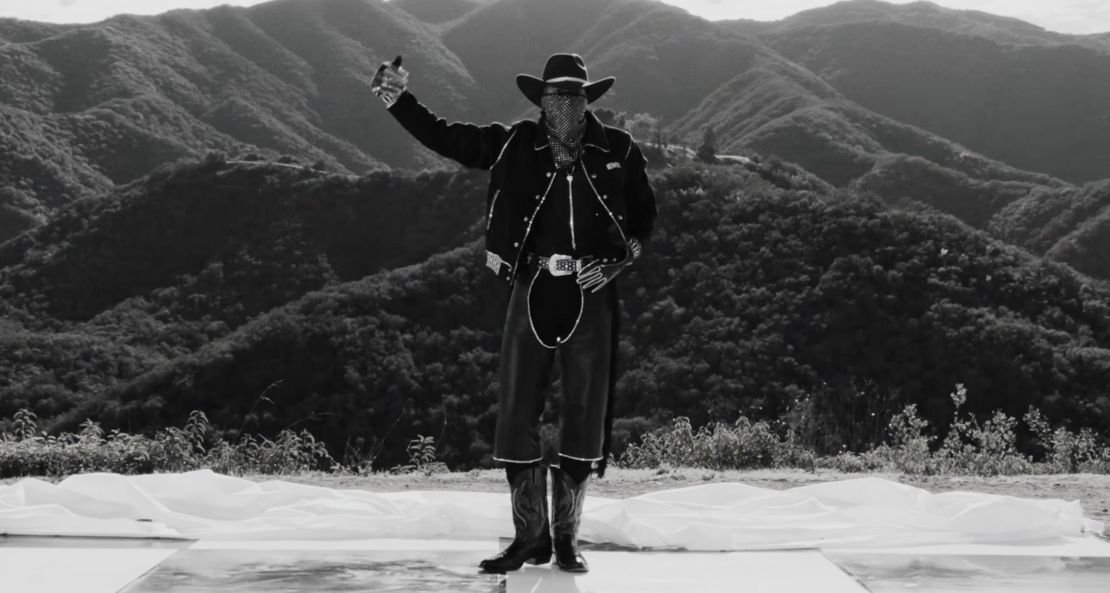
Travis Payne’s choreography brings Michael Jackson DNA without directly copying it. NLE rocks an all-black cowboy fit that channels Django energy, moving through sequences that shift from triumphant to ritualistic as daylight fades to darkness.
The daytime shots feel celebratory, wide open, confident. Night transforms everything. The movements become deliberate, ceremonial, aligned with ritual rather than performance.
Multiple dancers join him in synchronised formations that encapsulates a collective consciousness. He’s not alone in this. The precision required for these sequences signals serious budget and planning. Nothing about this feels rushed or reactive.
What separates “Hello Revenge” from typical beef is how it forces a response dilemma. The video literally says “YoungBoy Diss” in the title, but the actual content transcends simple antagonism.
Ignore it and you’re dismissing art generating real cultural conversation. Respond and you’re entering a battlefield where the rules favour theatrical, biblically-grounded performance over street posturing.
Dropping this exactly one month after “KO” shows structure rather than emotional reaction. The quality consistency between both releases suggests NLE has reserves of material ready. This is a planned campaign, not scattered shots fired in anger.
Young artists increasingly reject the old binary between conscious rap and street music. NLE’s evolution from aggressive Memphis trapper to herbalist to spiritual warrior reflects that shift.
“Hello Revenge” exists comfortably in multiple spaces at once without apologising for any of them. It’s confrontational but prayerful, aggressive yet contemplative.
The real question isn’t whether this counts as an effective diss track. It’s whether hip-hop is ready for beef conducted on this many levels simultaneously.
Judging by the conversation it’s sparked already, the culture might finally be catching up to where artists like NLE The Great have been heading.