

The side-hustle boom is on the rise, and nine-to-five is dying a slow death, and frankly, it’s about time we talked about it.
According to Money.co.uk, we’re in the middle of a proper gig-work explosion. Walk down any British high street and you’ll spot the evidence: the Deliveroo cyclist weaving through traffic, the neighbour flogging vintage furniture on Facebook Marketplace, the mate who’s suddenly a “content creator” with a ring light and a dream. This isn’t a trend anymore. It’s a survival tactic.
StandOut CV’s latest statistics tell the real story. Thirty percent of UK workers now juggle a side-hustle alongside their main job.
That’s nearly one in three people cobbling together extra income streams like they’re building a financial Jenga tower, praying it doesn’t collapse.
Among these modern-day grafters, artisans lead the pack at 23%, followed by freelancers at 12%. The rest? They’re spread across everything from pet-sitting to selling homemade bath bombs on Etsy.
The Numbers Behind the Boom
The global creator economy has ballooned to approximately $191 billion in 2025, and it’s still growing.
Britain’s slice of this pie is substantial, with creators and gig workers forming an increasingly significant chunk of the workforce.
But here’s what the glossy “be your own boss” messaging doesn’t tell you: the vast majority aren’t getting rich.
Only 4% of creators earn more than $100,000 annually, while the median creator income sits somewhere disappointingly modest.
The UK’s tax threshold for side-hustle income is set to rise to £3,000, according to the Financial Times, which sounds generous until you realise most people need to earn significantly more than that to make their second job worthwhile.
After platform fees, materials, and the time you’ve sunk in, three grand doesn’t go very far when you’re trying to cover rising energy bills and rent.
Why Everyone’s Scrambling for Extra Cash
Here’s the uncomfortable truth: sixty-six percent of side-hustlers aren’t doing this for fun. They need the money.
The cost-of-living crisis isn’t some abstract economic concept when you’re staring down a rent increase or choosing between heating and eating.
Side-hustles have morphed from “nice little earner on the side” to “how I afford to exist in 2025.”
The platforms enabling this shift are massive. Upwork hosts 18 million freelancers worldwide. eBay claims 17 million sellers.
Etsy has 8.1 million people hawking everything from crochet plant hangers to custom pet portraits. These numbers aren’t just stats on a page; they represent millions of people desperately trying to make capitalism work for them instead of the other way around.
Creator vs Freelancer vs Gig Worker: What’s the Difference?
The terms get thrown around interchangeably, but they’re not the same thing, and understanding the distinction matters if you’re considering which path to take.
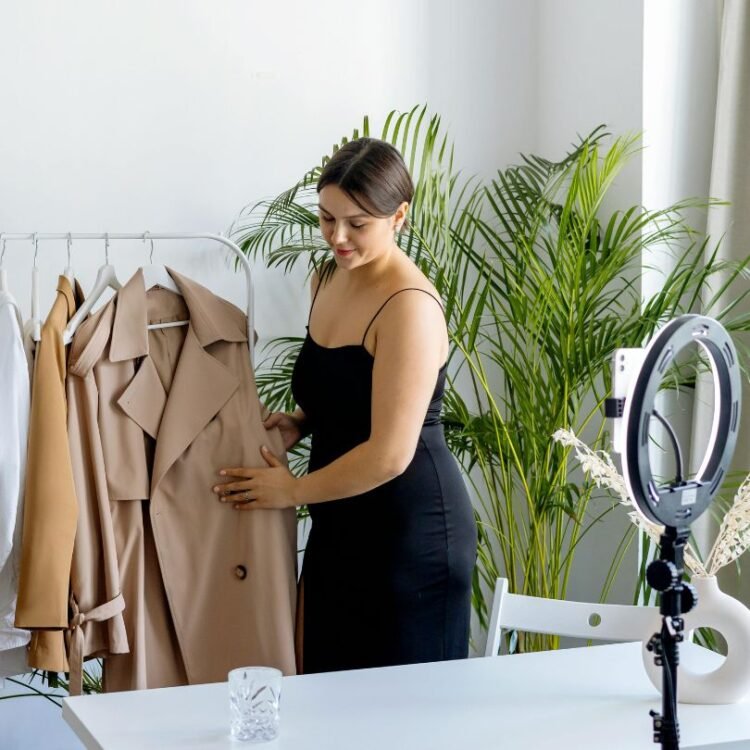
Creators build audiences and monetise content. Think YouTubers, TikTokers, Substackers, podcasters. Their income comes from ad revenue, sponsorships, merchandise, memberships, or a chaotic combination of all four.
Success depends heavily on algorithmic favour and audience loyalty. Research from Kolsquare shows UK creators increasingly suffer from burnout while juggling portfolio incomes, patching together earnings from multiple platforms because relying on one is financial suicide.
Freelancers sell specific skills or services. Graphic designers, writers, consultants, photographers. They work project-to-project, often through platforms like Upwork or Fiverr, or directly with clients.
Income is more predictable than content creation (you invoice for work completed), but you’re constantly hunting for the next gig and managing client expectations.
Gig workers perform task-based or on-demand work. Delivery drivers, TaskRabbit handypeople, Uber drivers, dog walkers via Rover.

The work is immediate and transactional. You get paid per task or hour, but there’s minimal creative ownership and often no client relationship beyond a five-star rating.
All three fall under the side-hustle umbrella, but they require different skillsets, time commitments, and tolerance for uncertainty.
What’s Actually Selling in 2025?
Here’s a break down of the most popular side-hustles, and the list reads like a snapshot of British resourcefulness under pressure:
| Side-Hustle Type | Popular Platforms | Realistic Monthly Income | Time Investment |
| Refurbished goods | eBay, Facebook Marketplace, Vinted | £200-£800 | 10-20 hours |
| Homemade crafts | Etsy, Folksy, local markets | £150-£600 | 15-25 hours |
| Photography | Shutterstock, wedding bookings, product shoots | £300-£1,500 | Variable (5-30 hours) |
| Content creation | YouTube, TikTok, Instagram, Substack | £0-£2,000+ (wildly variable) | 20-40+ hours |
| Pet/child care | Rover, Care.com, word-of-mouth | £400-£1,200 | 10-25 hours |
| Delivery services | Deliveroo, Uber Eats, Stuart | £300-£900 | 15-30 hours |
| DIY/handyperson tasks | TaskRabbit, Airtasker, local ads | £250-£800 | 10-20 hours |
Refurbished goods are massive right now (hello, environmental consciousness meets economic necessity).
The secondhand economy thrives on platforms like Vinted and Depop, where Gen Z and millennials hunt for vintage finds and sustainable fashion. Take a family friend, for example, who sold a vintage Kermit the frog toy and Pokemon cards.
Homemade crafts continue to do well because people still crave something that doesn’t feel factory-made. But Etsy’s algorithm changes can tank your shop’s visibility overnight, and competition is brutal.
Photography gigs span everything from weddings to product shots for small businesses. If you’ve got an eye and half-decent kit, there’s work available, though you’re competing against everyone with an iPhone 15 Pro who thinks they’re a photographer now.
Content creation is the wildcard. Some people are genuinely making decent money through YouTube ad revenue, brand deals, or Patreon subscriptions.
Others are posting into the void for pennies, hoping the algorithm gods smile upon them. It’s the most visible side-hustle, but probably the most deceptive in terms of actual earning potential.
Then there’s the care economy: childminding through Care.com, pet-sitting via Rover, dog-walking. These jobs have always existed, but apps have made them more accessible and, crucially, easier to fit around a main job.
Same goes for delivery services and DIY tasks. Someone always needs furniture assembled or a wall painted, and TaskRabbit will connect you faster than you can say “I watched a YouTube tutorial once.”
The Mental Cost Nobody Mentions

Here’s where it gets properly grim: 43% of side-hustlers report serious time-management issues, according to StandOut CV.
That’s nearly half of everyone doing this struggling to balance multiple income streams without completely losing their minds.
You’re not just working two jobs; you’re managing two sets of responsibilities, two schedules, two versions of yourself.
The mental health implications are staggering. Burnout isn’t a buzzword when you’re answering work emails at 7am before your “real” job starts, then spending evenings packaging Etsy orders or editing videos.
UK creators specifically report exhaustion from maintaining constant content output while diversifying income across multiple platforms, research from Kolsquare reveals.
There’s no downtime. Your evenings and weekends aren’t sacred anymore because they’ve become your second shift.
And yet people keep doing it because what’s alternative? Let the bills pile up? Watch your savings (if you’re lucky enough to have any) slowly drain away?
How to Start a Side-Hustle in 2025: Realistic Steps
If you’re googling “how to start a side hustle UK 2025” at 2am because your rent just went up again, here’s what you actually need to know:
Step 1: Audit your skills and time honestly. Not what you wish you were good at or how much time you’d like to have. What can you actually do, and how many genuine hours per week can you commit without destroying your mental health? Be brutal here.
Step 2: Research platforms and their fees. Upwork takes 10-20% of your earnings depending on client relationship length. eBay charges insertion fees plus 12.8% final value fees on most categories. Etsy wants £0.16 per listing plus 6.5% transaction fees plus payment processing fees. These costs add up fast. Run the numbers before committing.
Step 3: Test small before going all-in. Don’t quit your day job and invest £2,000 in equipment based on a business idea you haven’t validated. Start tiny. Sell five items on eBay. Take three freelance projects. Post content consistently for three months. See what actually happens versus what you hoped would happen.
Step 4: Understand the tax implications. Once you earn over £1,000 from self-employment, you need to register with HMRC and file a Self Assessment tax return. The new £3,000 threshold helps slightly, but you’ll still owe income tax and potentially National Insurance on earnings above your personal allowance. Factor this into your pricing.
Step 5: Set actual boundaries. Decide your non-negotiable hours and stick to them. Your side-hustle cannot become your entire life, or you’ll wake up one day wondering why you’re exhausted all the time and haven’t seen your friends in months.
Platform Deep-Dive: What You Need to Know
Upwork: Good for freelancers with in-demand skills (web development, copywriting, design). High competition means bidding wars that drive prices down. The 20% fee on your first $500 with a client stings. Expect to spend significant time writing proposals that go nowhere.
eBay: Still massive for reselling. The authentication service for luxury goods helps with trust. Fees are higher than they used to be, and you’re competing with professional resellers and bots. But if you’ve got a good eye for charity shop finds or attic treasures, there’s money here.
Etsy: Oversaturated with homemade goods and increasingly dominated by dropshippers pretending to be artisans. The algorithm rewards shops that pay for advertising, so organic reach is tough. However, if you’ve got genuinely unique handmade items and can nail SEO in your listings, dedicated buyers exist.
YouTube/TikTok: The dream factory. Monetisation on YouTube requires 1,000 subscribers and 4,000 watch hours. TikTok’s Creator Fund pays peanuts. Real money comes from sponsorships and brand deals, which require substantial followings. Be prepared to post constantly with no guarantee of success.
Rover/Care.com: More straightforward than content creation. Build good reviews, and repeat clients emerge. The work is physical and time-bound (you can’t walk six dogs at once from your sofa), but income is predictable once you’re established.
Success Stories Do Exist (But Here’s the Reality)
Before this article descends into total doom and gloom, some people genuinely thrive in the side-hustle economy.
The graphic designer who quits their agency job after building a steady freelance client base on Contra. The baker who starts selling brownies at local markets and ends up supplying three cafés. The writer who builds a Substack community that actually pays their rent.
These stories are real, but they’re also survivorship bias in action. For every success story, there are hundreds quietly grinding away with little to show for it.
The Instagram feeds showcasing “passive income” and “financial freedom” rarely mention the 80-hour weeks that got them there, or the fact that their partner’s stable job covers the mortgage.
Statistics hammer this home: fewer than 5% of creators earn what most would consider a liveable full-time income. The median sits somewhere between £200-£400 monthly, which is supplementary at best.
The Bigger Picture: Where’s This All Heading?
The side-hustle boom reveals something uncomfortable about modern British work culture. We’ve normalised working multiple jobs to survive.
We’ve turned hobbies into monetisation opportunities. We’ve created an economy where “hustle” is a verb people use unironically, as if grinding yourself into dust is admirable rather than tragic.
The creator economy promised freedom and flexibility. For some, it delivered. For most, it’s just capitalism with better branding and a smartphone app.
You’re still trading your time and labour for money, except now you’re also your own HR department, accountant, marketing team, and customer service rep.
Looking ahead, several shifts seem likely. Platform regulation may tighten, particularly around worker classification and minimum payments.
The £3,000 tax-free threshold offers slight breathing room but won’t fundamentally change economics for most hustlers. AI tools will increasingly automate aspects of creative work, which could help efficiency or further saturate markets depending on how it plays out.
What’s certain: traditional employment models aren’t suddenly going to start working for people again. Wages won’t magically catch up with living costs. Job security won’t return to 1970s levels.
The side-hustle economy exists because the primary economy is failing vast swathes of workers.
Yet people keep joining because what else is there? The traditional employment model is failing them. Wages haven’t kept pace with living costs. Job security feels like a relic from your parents’ generation.
The side-hustle isn’t always about ambition or entrepreneurial spirit. Sometimes it’s just about paying the gas bill.
So here we are, 30% of the workforce juggling multiple income streams, building makeshift careers from whatever’s available. It’s resourceful. It’s exhausting. And it’s not going away anytime soon.
You might also like:
- The 2024 Music Industry Trends Guide: What’s Really Changing and Why You Should Care
- Let Them Theory: Why Mel Robbins’ Two-Word Rule Resonates (and Works)
- Open the Noor: The Viral Meme Explained
- What Does GNG Mean? The Double Life of a Viral Acronym on TikTok and Beyond
- GRWM Meaning: Exploring the Trendy Social Media Hashtag
- BossMan Dlow’s Get in With Me Lyrics: A Viral Sensation with a Raw Edge