
“Where the Wild Things Are” is the most emotionally convincing song Luke Combs has ever recorded, and he didn’t write a single word of it.
The brother at the centre of the story, the one on the Indian Scout pointed west, is fictional. Combs is an only child. There was no phone call from California, no summer on the strip, no airport goodbye. And yet listeners routinely assume the grief is real and personal, because Combs performs it that way.
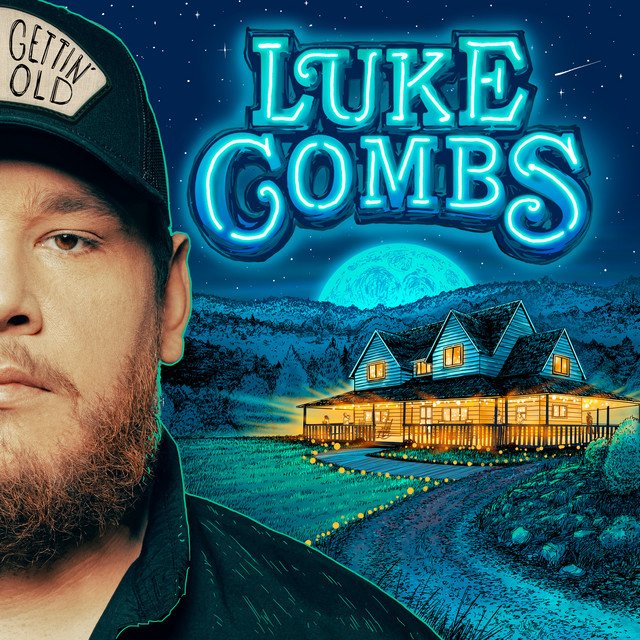
One thing is in the lyric. Another is in the voice. Released on 24 March 2023 as part of his fourth studio album Gettin’ Old, it was written by Nashville songwriters Randy Montana and Dave Turnbull, and spent years without a recording before Combs picked it up.
It reached No. 1 on Mediabase in February 2024, his 18th career chart-topper, notable partly because it broke an unbroken streak of Billboard No. 1s stretching back to his 2016 debut. It was the first Combs single that didn’t top both major country charts. It was also the first where he was singing someone else’s life entirely.
Combs is known for autobiographical songwriting. “Beer Never Broke My Heart,” “Beautiful Crazy,” “Even Though I’m Leaving” are songs rooted in his own experience. Releasing a narrative song he had no hand in writing was a break from that pattern.
Randy Montana had co-written “Beer Never Broke My Heart” and “Cold As You” with Combs previously, so the creative trust was established. Dave Turnbull’s credits include Kenny Chesney’s “The Boys of Fall” and Brad Paisley’s “Old Alabama.” Together they produced a song that had been circling Nashville for years without finding a home.
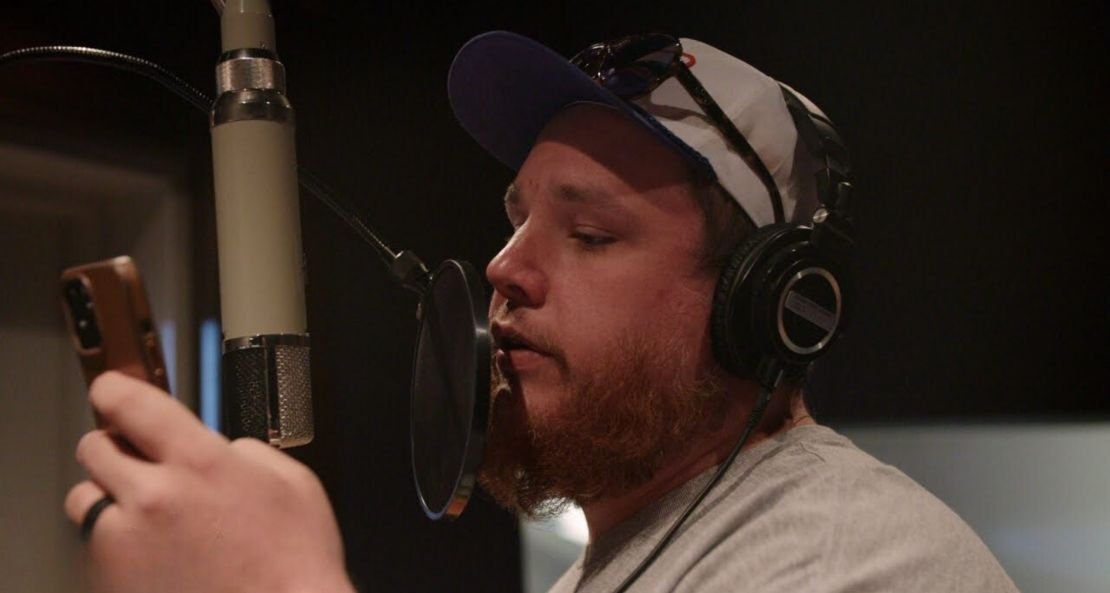
Eric Church, one of the few country artists still committed to narrative storytelling, almost recorded it and passed. Combs’ collaborator Dan Isbell couldn’t believe the song had stayed uncut for so long, saying: “He almost cut it. I couldn’t believe that song couldn’t land somewhere.” Combs recorded it anyway, knowing it would be one of the hardest vocal performances of his career. Producer Scott Moffatt pushed him to record it at full intensity rather than scaling back for what it might require live.
Combs committed to a song about a brother he never had, about a loss he never experienced, and he recorded it like it cost him something. As Combs put it himself: “I don’t know how that song never get cut, because it’s an awesome, awesome song.”
It opens on a piece of American mythology dressed up as a family story. An older brother, black leather jacket, Indian Scout motorcycle, American Spirit cigarette dangling from his mouth, “just like our daddy.” He kicks the bike into life one night, breaks his mother’s heart, and points the headlight west.
These aren’t generic rebel details. The Indian Scout is a machine with a specific American history, the kind of motorcycle that carries cultural weight before anyone rides it. The American Spirit is a deliberate cigarette choice, not a prop. The Gibson J-45 the brother buys out west is what serious acoustic players buy when they’re staying. These are the choices of someone building a life, not running from one.
Every couple of weeks, he calls from Southern California, talking about the desert and Joshua Tree and his pretty girl stories, then: “Little brother, you’d love it out here.” That line is carrying more than enthusiasm. He needs a witness, someone from his old life to confirm that what he traded home for was worth it. The fact that he keeps calling suggests he’s not entirely sure.
Combs flies out. They drink on the strip in LA, end up at a house in the hills with Hollywood company. For one summer he lives inside the life his brother described. Then the bridge: two rebels, wild as the devil, but Combs knows he has to go back east. The farewell at the airport, “But I knew he’d never leave,” sounds like resignation on a first listen. By the time the final chorus arrives, it reads as something Combs was already mourning when he said it.
At the end, the chorus repeats with the same melody, the same hook, but the lyrics have shifted underneath it. The Indian Scout hits a guardrail at half past three. The streets light up. They bury him under the West Coast stars. The celebration and the obituary share the same tune. You only know which one you’re hearing when the words change.
“Half past three” sits close to a specific detail from James Dean’s final day. Dean received a speeding ticket at 3:30 PM on September 30, 1955 in Bakersfield, California. His Porsche 550 Spyder hit another vehicle near Cholame two hours later, and he died at the wheel. All of it maps onto the same cultural image Dean crystallised in Rebel Without a Cause: the black jacket, the speed, California, recklessness worn as charisma. The songwriters haven’t confirmed Dean as a source. They don’t need to. The song is fishing in the same water.
Combs has built his reputation on songs his audience believes are about his actual life. When he performs “Where the Wild Things Are,” he brings the same emotional specificity to a fictional brother as he does to his real marriage, his real parents, his real past. People cry. People assume the brother existed. The gap between what is happening and what the performance communicates is where the song lives.
There was no real brother. Combs is doing something closer to acting than testifying, and doing it at a level that makes the distinction irrelevant to the listener. Performing someone else’s grief gives you nothing to hold onto except what you’re willing to put in. He put enough in that most listeners never think to ask.
“Where the Wild Things Are” is from Luke Combs’ fourth studio album Gettin’ Old, released March 24, 2023. Written by Randy Montana and Dave Turnbull.
You might also like:
- How Zach Bryan Wrote Something In The Orange Lyrics And What They Mean
- Jelly Roll’s Raw Cry for Help: Save Me Lyrics Dissected
- Morgan Wallen Wasted on You Lyrics: The Meaning Behind the Hit Song
- Unpacking I Had Some Help Lyrics in Post Malones Country Foray ft. Morgan Wallen
- Shaboozey A Bar Song (Tipsy): A Country-Rap Fusion That’s Shaking Up the Charts