

There’s something genuinely odd about Fujii Kaze’s breakout moment.
While most Japanese artists spend years building international audiences through anime soundtracks or K-pop-style marketing campaigns, this 26-year-old from rural Okayama prefecture went viral on TikTok with a song about toxic obsession, and nobody outside Japan knew who he was.
“Shinunoga E-Wa“ (roughly: “I’d rather die”) hit No. 3 on the Spotify US Viral 50, racked up 178,000 TikTok videos, and introduced Western listeners to an artist who’s been quietly building something different in Japan’s increasingly homogeneous pop landscape.
The song’s success feels accidental, which might be the point.
The YouTube Era Origins
Kaze started uploading piano covers to YouTube at 12, a standard origin story for anyone under 30 making music now.
What’s less standard: he disappeared from the platform during high school, returned years later, accumulated 30 million views on his channel, then moved to Tokyo in 2019 without any major label backing.
That timeline matters because it means he developed his sound outside the traditional J-pop industry machinery.
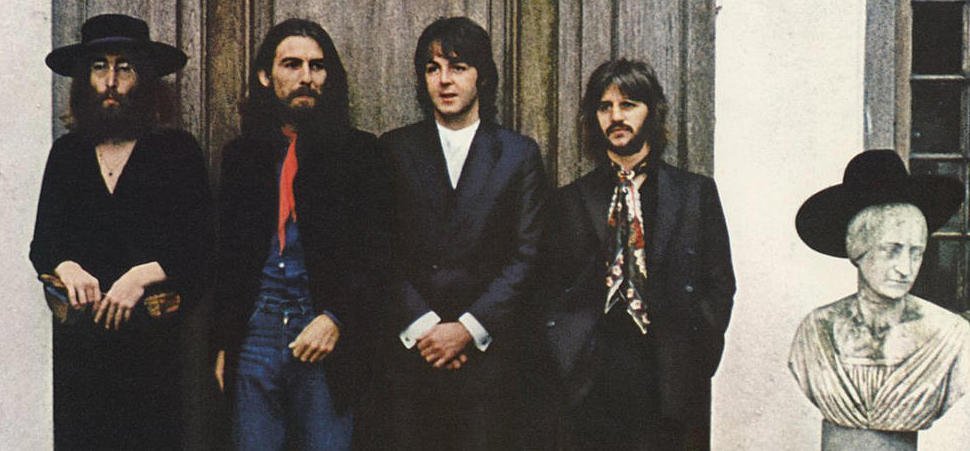
His 2020 debut album “Help Ever Hurt Never” went to No. 1 on Billboard Japan and No. 2 on Oricon, which is remarkable for an artist with zero television presence, no idol group affiliation, and a style that doesn’t fit cleanly into any Japanese radio format.
The album blends kayōkyoku (think Japanese city pop’s spiritual predecessor) with trap production and jazz piano, combinations that shouldn’t work but somehow do.
Why “Shinunoga E-Wa” Connects
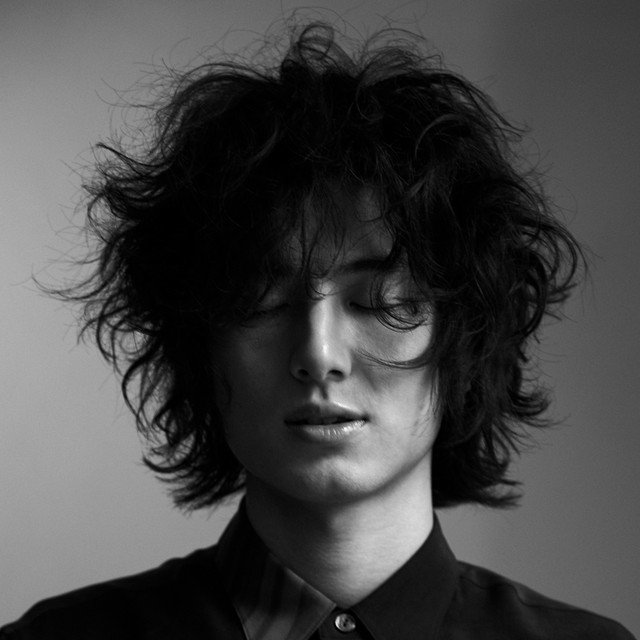
The TikTok virality makes sense once you understand what the platform rewards. “Shinunoga E-Wa” builds tension through repetition, with Kaze’s vocal climbing higher as the lyrics get more unhinged: “I’ll drink needles for you / I’d rather die than let you go.”
It’s melodramatic in a way that feels emotionally honest rather than manipulative, which is a difficult balance to strike.
But the real reason it works on TikTok is simpler: emotional extremity photographs better than nuance.
The platform’s format demands content that registers immediately in a three-second scroll.
Obsessive devotion, dramatic declarations, intensity that borders on concerning – these translate instantly across language barriers and fit perfectly into 15-second video loops.
A song about complicated feelings or measured affection wouldn’t generate 178,000 videos. A song about drinking needles for someone does.
The song works for anime fan edits, piano tutorial content, and guitar covers because it’s structurally simple but emotionally complex.
Kaze writes in a tradition that values emotional directness over lyrical abstraction.
You always know exactly what he’s feeling, even if what he’s feeling is concerning. That directness is what makes it spreadable.
The Post-Utada Hikaru Question
Comparing any Japanese artist to Utada Hikaru invites trouble, but the comparison here isn’t just lazy journalism.
Both artists emerged with unusual major label debuts that defied J-pop conventions. Both blend Western R&B influences with Japanese melodic sensibilities. Both write and produce their own material in an industry where that’s still uncommon.
The difference is timing. Utada broke through in 1998 when Japan’s music industry was still exporting globally.
Kaze is navigating a market where Japanese artists rarely cross over, and when they do, it’s usually through streaming algorithms rather than strategic label pushes.
His second album “Love All Serve All” (March 2022) went platinum and topped both Billboard Japan and Oricon, outperforming his debut.
That’s unusual trajectory for any artist, but especially one working outside standard promotional cycles. No variety show appearances, no tie-in singles for drama soundtracks, no manufactured controversy. Just albums and the occasional tour.
What He Actually Sounds Like
Kaze’s music sits at an intersection that shouldn’t work on paper: traditional Japanese kayōkyoku pop structures, contemporary trap production, and jazz piano arrangements.
His early exposure to jazz, classical, pop, and enka created a musical vocabulary that refuses to stay in one genre.
His vocal approach moves between R&B-style runs and techniques borrowed from traditional Japanese singing.
He slides between notes in ways that feel culturally specific but land emotionally regardless of whether you understand the language.
The production stays clean without feeling sterile, layered without becoming cluttered. It’s pop music with actual musical ideas behind it.
The International Moment
Kaze made history as the first Asian artist to chart simultaneously in all 73 countries on Spotify’s Daily Viral charts. That’s a streaming era achievement that wouldn’t have been possible even five years ago.
The global audience exists now. The question is whether Japanese artists can reach them without compromising what makes their music distinctly Japanese.
Kaze seems uninterested in that compromise. He sings in Japanese, incorporates traditional musical elements without exoticizing them, and writes about emotional experiences that translate across cultures without needing to be universal in their specificity. That’s harder than it sounds.
The Sustainability Question
Whether Kaze becomes the “biggest phenomenon since Utada Hikaru” depends entirely on what he does next. One viral TikTok song doesn’t guarantee longevity. Ask any artist who’s had one.
But his trajectory suggests someone building a career rather than chasing hits, which might be the smarter long-term strategy in 2023’s fragmented music landscape.
The streaming numbers tell one story: growing international audience, consistent performance in Japan, algorithm-friendly sound.
But the more interesting story is whether he can maintain creative control while scaling up. That’s the tension every breakthrough artist faces, and Kaze’s handling it by largely ignoring traditional music industry expectations.
He’s not doing press junkets, not conforming to J-pop visual aesthetics, not playing the game the way you’re supposed to play it. That approach works until it doesn’t, but right now it’s working.
What Makes This Interesting
Fujii Kaze matters less as a potential pop phenomenon and more as evidence of how music discovery has fundamentally changed.
A 26-year-old from rural Japan can build an international audience without leaving his home country, without speaking English, without conforming to Western or Japanese pop conventions.
That’s not a “feel-good” story about globalization breaking down barriers. It’s just the new normal for how music works now.
Kaze happens to be talented enough and strange enough to benefit from that shift, but he’s not an anomaly.
He’s a preview of what Japanese pop music looks like when it doesn’t need Western validation to succeed globally.
Except that’s not quite true, is it? “Shinunoga E-Wa” proved you can bypass traditional barriers to reach international audiences, but it didn’t prove you can bypass the pressure that follows.
Viral success creates its own set of expectations. The streaming numbers and TikTok views become evidence that an English album might work, that a Western tour makes sense, that the traditional crossover playbook still applies.
The algorithm opens the door, but the industry’s gravitational pull remains. Whether Kaze walks through that door or keeps making music on his own terms will be more revealing than any chart position.
You might also like:
- Understanding the Depth of Harry Styles’ As It Was Lyrics
- David Kushner, Daylight Lyrics: The Meaning and Inspiration Behind the Song
- With You By Brandon Grant: A Heartfelt Ode To Love’s Simple Joys
- Mitski My Love Mine All Mine Lyrics: A Deep Dive into the Song’s Meaning and Inspiration
- Olivia Rodrigo’s Vampire: A Deep Dive into the Lyrics and Their Impact
- Miley Cyrus Used To Be Young: A Journey Through Time and Self-Discovery