
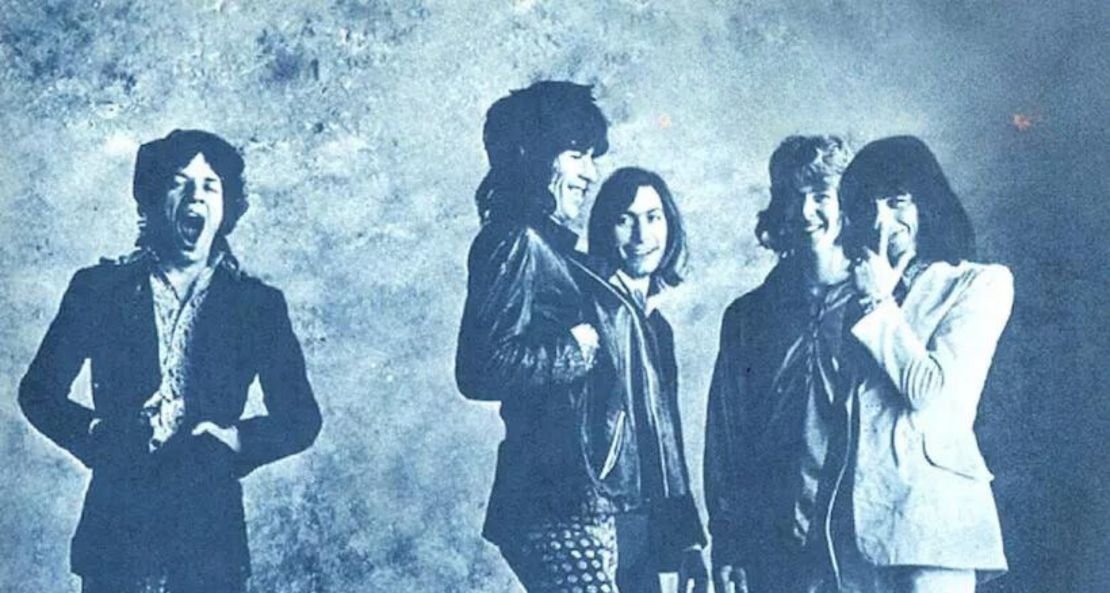
Imagine pitching this to a label in 2026. A song about a slave ship, a market in New Orleans, a white master whipping enslaved women at midnight, a houseboy coerced by the plantation wife, all of it wrapped inside a riff so infectious you’re already moving before the first word hits. The label would end the meeting. The song would not exist. There would be no meeting.
In 1971, it went to number one.
Brown Sugar is a song about slavery, rape and heroin addiction that sounds like the best party you’ve ever been to. That tension is really what holds it together, and it’s why the song has never fully let anyone off the hook.
It starts fast, fast enough that the body reacts before the brain catches up. The guitar riff hits, the piano crashes in, Bobby Keys’ saxophone doing something that feels outright celebratory, and by the time Jagger opens his mouth most people are already moving. The music is working so hard to be enjoyable that the words take a moment to register, and when they do it’s a bit of a jolt.
A slave ship. A market in New Orleans. Women being sold. That’s not buried in the bridge somewhere, that’s verse one. Worth remembering that Jagger wrote this in 1969 in the Australian outback while filming Ned Kelly, absorbing imagery from a continent away, and then finished it two days before Altamont while sitting on a folding chair in the middle of Muscle Shoals Sound Studio in Alabama, across the road from a cemetery, while Keith watched. Jim Dickinson was in the room and later said he’d never seen anything like Jagger’s process, specifically how he pulled southern colloquialisms from the people around the studio and folded them directly into lyrics in real time. Accounts from the session suggest the lyric came together very quickly. It shows, in the best possible way, and in ways that still feel genuinely uncomfortable.
Across the next three verses it turns into a fairly complete portrait of antebellum sexual violence: the song can be read as moving through scenes of sexual coercion, exploitation and racialised desire. All of it inside one of the most physically urgent grooves rock and roll ever produced, which is sort of the insane thing about it.
“Hear him whip the women just around midnight” sits inside the song not as condemnation but as description, delivered over music that makes you want to move. In casual readings it’s easy to miss that one of the most disturbing things about the lyric is how little agency it gives anyone except the people in power. Then the setting tightens into the plantation house. “Cold English blood runs hot” is the white master’s desire igniting. The houseboy, a domestic slave, sometimes male, becomes the focus. Coercion layered on coercion.
The third verse is where people still disagree. A “tent show queen,” a southern idiom for a woman, often Black, performing in travelling carnival shows under conditions that frequently involved prostitution. The lyric “I bet your mama was a tent show queen” aimed at the enslaved woman, sixteen-year-old boys as her clients. Some people read Jagger as critiquing it. Some read him as celebrating it. He has never really said, and honestly the song doesn’t make that easy to determine either way.
The chorus, “Brown Sugar, how come you taste so good?” sits differently once you know what “brown sugar” meant in the American South, and what it also meant on the street corners of late-60s rock and roll.
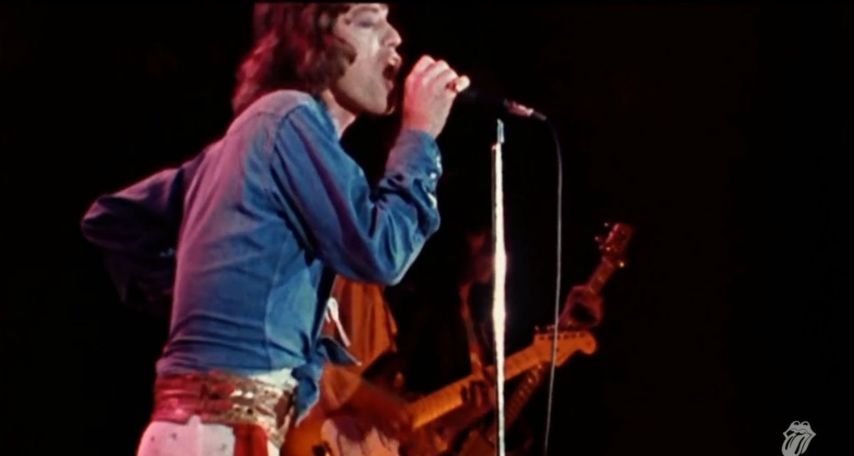
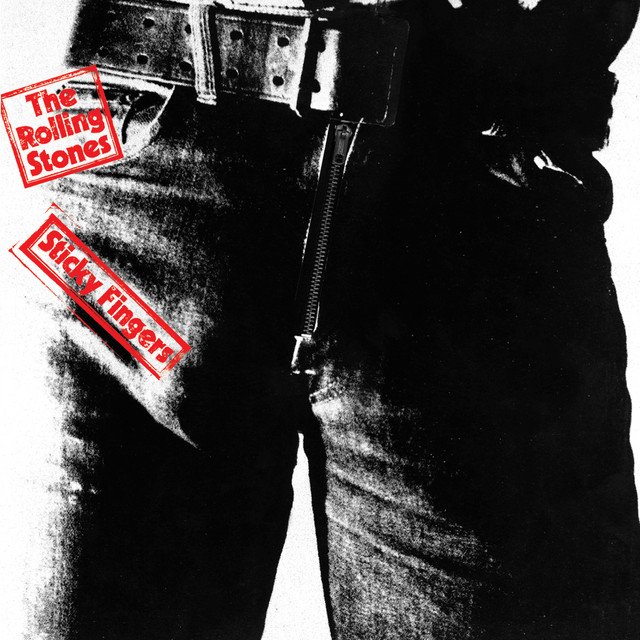
The song’s original title was “Black Pussy.” Jagger changed it before recording, which raises the question of what exactly he thought he was cleaning up. The phrase “brown sugar” carries at least three readings running at the same time: the enslaved Black women at the song’s centre, Jagger’s own desire (the song was written with a real woman in mind, possibly two), and heroin. According to Tony Sanchez’s book Up And Down With The Rolling Stones, the slavery and whipping imagery doubles as the experience of being “mastered” by brown heroin, the drug cooks brown in a spoon. Sticky Fingers is strongly associated with the band’s drug-saturated early-’70s period. Keith Richards was deep in his addiction throughout the sessions. The “slave to heroin” reading doesn’t replace the slavery reading. Both run simultaneously, which is precisely what Jagger meant when he later called it “all the nasty subjects in one go.”
Dickinson noted in his account that Jagger may have originally sung “Skydog slaver” in the first verse. “Skydog” was the nickname for Duane Allman, who had been working at Muscle Shoals Sound earlier that summer. Most printed transcriptions say “scarred,” but the Allman reading is in Dickinson’s account and corroborated in Keith Richards’ autobiography Life. It’s one of those details that changes how the first verse sounds when you hear it again.
They flew from Alabama straight to Altamont, where Brown Sugar was played live for the first time, the same night a fan was stabbed to death by a Hells Angels security guard.
Two women have said they inspired the song and both of them were Black. Marsha Hunt, mother of Jagger’s first child Karis, wrote in her 1985 autobiography Real Life that the song was about her, and said it again in her 2006 book Undefeated. Claudia Lennear, former Ikette and backing singer for Ike and Tina Turner, told the Daily Express in 2014 that Jagger later confirmed to her it was about her. Bill Wyman backed Lennear’s claim in his 2002 book Rolling with the Stones. When Hunt was asked how she felt about the song in a 2008 Irish Times interview, she said it didn’t make her feel any way at all. Lennear, when the Stones dropped the song in 2021, said she was sorry to hear it go. What neither of them addressed, and what Jagger has never really addressed either, is that a song apparently shaped by real Black women in Jagger’s orbit still mapped their presence onto a narrative of chattel slavery and sexual exploitation.
Legal disputes with former manager Allen Klein delayed the release for over a year. Starting May 29, 1971, it topped the American Hot 100 for two weeks. Number two in the UK. For decades it was the Stones’ second most-played live song after Jumpin’ Jack Flash. The groove was that reliable. The controversy, for a long time, wasn’t loud enough to compete with it.
In 2021 the Stones quietly dropped it from the No Filter US tour setlist. Keith Richards told the LA Times he was confused about why anyone would want to bury the song. “Didn’t they understand this was a song about the horrors of slavery?” Jagger said they’d played it every night since 1970 and decided to try pulling it and see what happens. They might put it back in.
The problem’s harder to ignore than Richards makes it sound. It doesn’t sound like horror. It sounds like something people would want to celebrate. The music makes you feel good about something the lyrics, if you sit with them, give you no real reason to feel good about. Producer Ian Brennan, writing in Rolling Stone in 2020, made the obvious point that Brown Sugar is not some obscure B-side. It was the song the Stones used to open shows. The argument that the lyrics were critically opposed to what they depicted got harder to sustain after fifty years of audiences singing along to it.
In the 1993 Jump Back liner notes, Jagger described it as “all to do with the dual combination of drugs and girls. This song was a very instant thing, a definite high point.” In 1995 he told Rolling Stone he’d never write it now, that he’d censor himself. Those two statements exist two years apart and say almost opposite things, which might be the most accurate summary of what the song actually is.
Drugs and girls, set inside the imagery of chattel slavery, written by a white Englishman who absorbed the vernacular of the American South in an afternoon at a studio across the road from a graveyard, wrapped in a groove that made fifty years of audiences dance. You don’t come away from Brown Sugar with a clean opinion. You come away with the guitar riff stuck in your head, and the rest of it somewhere behind it that doesn’t fully go away.
You might also like:
- Tyler Childers’ Feathered Indians Lyrics Explained: A Conflicted Tale of Lust, Regret, & Appalachian Truth
- Kendrick Lamar DNA Song Meaning, Lyrics Explained
- The Sound of Silence Meaning: Why Simon & Garfunkel’s Song Still Haunts Modern Life
- Foster the People’s Pumped Up Kicks Lyrics Meaning: A Sun-Drenched Soundtrack for America’s Darkest Headspace