
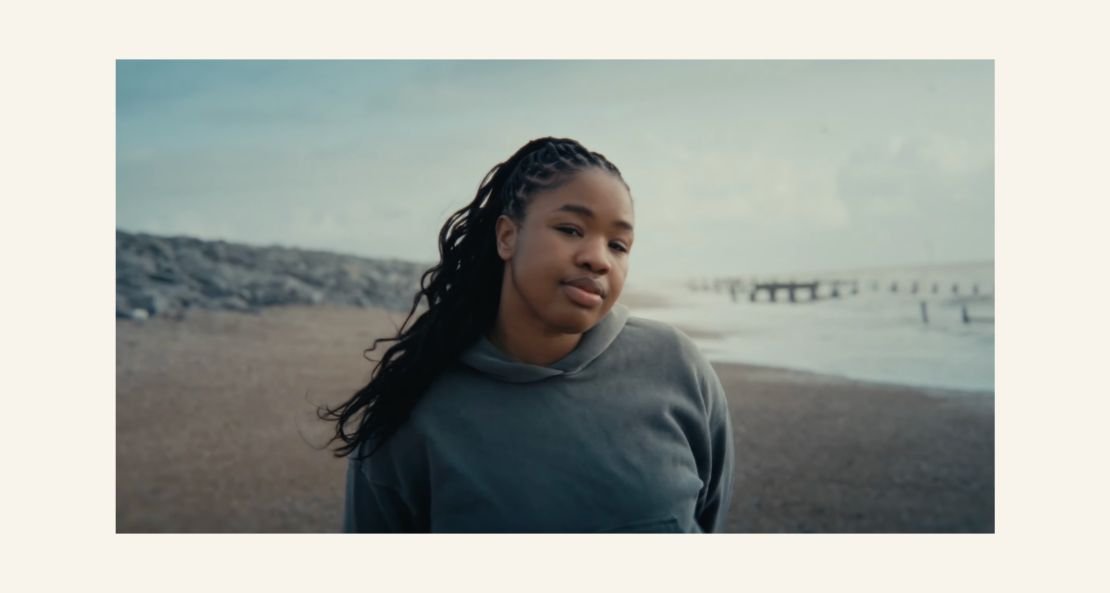
Debbie wrote this days after her mum died, then forgot it existed.
She found it again years later during a studio session with Hannah V, going through old demos after leaving her label. The timing stopped her cold.
A few days after the funeral. She’d completely blanked on the session happening. The rediscovery came during a period of uncertainty after stepping away from her label, a moment she has described as emotionally disorienting rather than triumphant.
It wasn’t written for anyone to hear. It was just what came out during the worst week, captured and then buried.
By the time Debbie rediscovered it, she’d been through a different kind of loss. The label split. The numbness. The uncertainty about what she was even doing anymore.
So the song works twice. Once as the thing it was written about, once as the thing it became useful for later.
The song became meaningful not because it solved the pain, but because it didn’t pretend the pain was gone.
Over two million views and thousands of comments followed, not because listeners understood Debbie’s exact story, but because the lyric leaves space for their own.
“When day feels like night / I can be my own light” doesn’t sound like closure. It sounds like survival.
The rain metaphor never tells you what the storm actually is, and that ambiguity is what turned the demo clips into a shared experience during her 90-day challenge.
The bridge turns unexpectedly lighter. “I’ll be the umbrella in your cocktail / I can be the sugar in your dark and stormy.”
After two verses built around endurance, the imagery suddenly sounds playful. JP Cooper shares a co-write credit alongside Debbie and Hannah V, and those lines feel more constructed than the rest of the song. Real emotion rarely moves in a straight line.
The production stays minimal. Debbie’s voice enters alone at the start before the piano slips in underneath.
The keys sit in a steady mid-range loop that barely shifts. Just before the bridge, on “with a simple melody,” the instrumentation drops out and leaves her voice exposed.
The absence of sound does more than a big chorus would have done. Instead of pushing forward, the song pauses and resets.
The gospel influence shows up in that steadiness — not in choirs or vocal runs, but in repetition and calm delivery shaped by a background steeped in church music.
She sings as both the one needing shelter and the one offering it. “Maybe I could be somebody’s rainbow” isn’t a bold claim but a thought she lets unfold in the moment.
The “dancing in the rain” refrain doesn’t land as celebration. It reads closer to endurance. Movement as survival rather than joy.
It feels closer to the rough demos she shared daily, sketches put out before they were perfected. Hannah V keeps the piano fixed in place while Debbie’s voice shifts the weight of each chorus slightly.
The rain never stops. The arrangement doesn’t chase a bigger ending. It stays in that space.
You might also like:
- Ella Mai’s Do You Still Love Me? Review: When R&B Stops Performing Love Loudly
- Baby Rose & Leon Thomas’ “Friends Again” Lives in the Moment After Love Fails
- Dua Saleh and Bon Iver Blur Control and Intimacy on “Flood” and “Glow”
- Sasha Keable Isn’t Playing Safe on “Tell Me What You Want”
- 6IXTEENTH’s I’m Not Okay: When Confession Becomes Art
- Fridayy Below Zero Lyrics & Meaning: Love-on-Ice Warning