
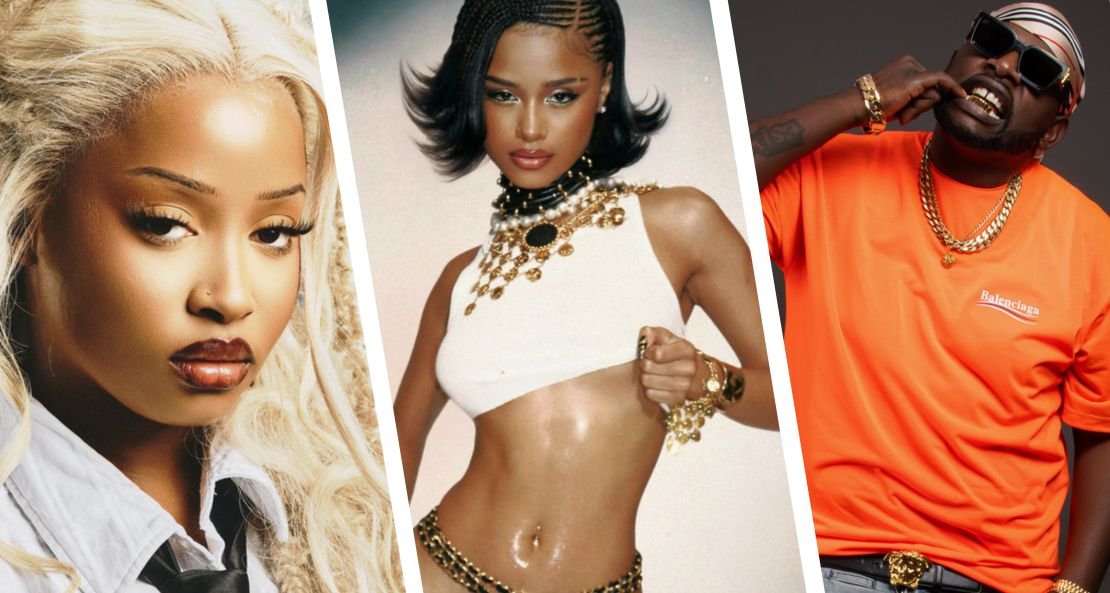
There’s something almost absurd about watching a genre born in the townships of South Africa become the soundtrack to house parties in Manchester, TikTok videos in Los Angeles, and festival stages across Europe.
Yet here we are: Amapiano has gone from underground phenomenon to global currency, and the numbers back it up.
TikTok’s #Amapiano hashtag has smashed through 18.9 billion views. Spotify streams have rocketed from 100 million in 2020 to 855 million by mid-2024, and they’ve only continued climbing since.
And if you needed any more proof that this isn’t just a passing trend, Tyla’s “Water” won a Grammy last year, bringing that distinctive log drum percussion and soulful piano loops straight into mainstream consciousness.
Check out the Neon Music breakdown of Water by Tyla.
The Sound That Refused to Stay Local
Amapiano’s appeal is deceptively simple. Those shuffling rhythms, the warm synth pads, vocals that float somewhere between house music and R&B – it’s immediately danceable without demanding you abandon every ounce of cool.
@thespcboysclub ANOTHER VERSION IN SHIBUYA,TOKYO AT 6:50 AM dc: @Bhathistar_Black & @Hinade @TOSS #amapiano #SHIBUYA #southafrica #tokyo #toss ♬ original sound – TOSS
The production often feels loose, almost jam-like, which gives it a human quality that stands out in an era of hyper-polished pop.
What makes this explosion particularly interesting is how it’s happened alongside Afrobeat’s continued dominance.
Artists like Burna Boy and Wizkid have already proven African sounds can chart globally, but Amapiano represents something different. It’s not just artists crossing over; it’s the sound itself becoming a tool for producers and DJs worldwide.
Walk into any UK festival over the past year and you’ll have heard at least three tracks with that signature Amapiano bounce.
Wireless 2024 featured Uncle Waffles and Tyla alongside mainstream hip-hop acts, whilst dedicated Amapiano events like AMAPIANOLAND have been pulling massive crowds across London.
The dance challenges on TikTok have done what traditional marketing never could, turning tracks into viral moments that transcend language barriers.
When Genres Collide
The fusion element is where things get really exciting. British artists have been grafting Amapiano rhythms onto grime and drill beats.
American producers are mixing it with R&B. Even pop acts are experimenting with those log drums and delayed basslines.
Tyla’s success with “Water” last year mattered precisely because it proved Amapiano could work within existing pop structures.
The track doesn’t ask you to understand South African music history; it just makes you want to move. That accessibility, combined with enough distinctiveness to stand out from standard pop production, is a rare combination.
But there’s also been pushback, naturally. Some critics argue that Western adoption of Amapiano dilutes its cultural significance, turning a sound rooted in specific communities into just another aesthetic for streaming playlists.
It’s a fair concern. When a genre goes global, something always gets lost in translation. The question is whether the increased visibility and opportunities for South African artists outweigh the inevitable commercialisation.
The Artists Making It Happen
Beyond Tyla, names like Uncle Waffles, DJ Maphorisa, and Kabza De Small have become staples on international DJ sets.
@amapianovibessa1 Coachella music and arts festival @Uncle Waffles #coachella2025 #amapiano #amapianovibessa1 #coachellafestival ♬ original sound – AMAPIANO VIBES
Uncle Waffles, in particular, made history as the first Amapiano artist to perform at Coachella in 2023, bringing authentic Amapiano energy to crowds who might never have encountered it otherwise.
Her set blended traditional South African rhythms with contemporary electronic beats, introducing thousands of new fans to the genre.
The UK scene has seen growing interest in the sound, with dedicated Amapiano events and DJ sets becoming regular fixtures across London venues
Even grime veterans have started acknowledging the influence, though results vary wildly in quality.
What’s striking is how this isn’t following the usual pattern of one breakthrough artist followed by everyone else scrambling to replicate the formula.
Multiple artists, producers, and DJs are all contributing to the movement simultaneously, which gives it a momentum that feels more organic than manufactured.
Why This Moment
Timing matters. Amapiano’s rise coincides with audiences growing tired of the same compressed, maximalist production that dominated pop music for years.
The genre offers something looser, more human, with space for actual groove rather than just drops and buildups.
There’s also the simple fact that African music has been building towards this moment for years. Afrobeat laid the groundwork, proving Western audiences would embrace African sounds if given the chance.
Amapiano represents the next wave, different enough to feel fresh but accessible enough to slot into existing listening habits.
The streaming era helps too. You don’t need radio play or traditional gatekeepers when TikTok can turn a track into a global phenomenon overnight.
The algorithm doesn’t care where a sound originated; it just knows what makes people engage. According to Spotify data, 40% of Amapiano listeners are between 18 and 24 years old, a demographic that discovers music primarily through social media and streaming platforms.
What Comes Next
The danger with any rapidly growing genre is oversaturation. When everyone starts chasing the same sound, quality tends to drop.
We’re already seeing lazy Amapiano-lite productions that miss what makes the genre special in the first place, the swing in the rhythm, the texture of the percussion, the way vocals sit in the mix.
But the core artists who’ve built this movement understand their craft. They’re not just riding a wave; they’re actively shaping where the sound goes next.
Collaborations between South African producers and UK artists are already producing interesting hybrids. American R&B singers are working with Amapiano producers to create something that splits the difference between both worlds.
The question isn’t whether Amapiano will remain popular, it’s whether it can avoid being flattened into just another production trend.
If South African artists maintain creative control and the sound continues evolving rather than calcifying into a formula, this moment could represent a genuine shift in how global music operates.
For now, those log drums aren’t going anywhere. Whether that’s heard in a Johannesburg club, a London festival, or a bedroom in Tokyo, Amapiano has proven it belongs on the world stage. And that’s something worth celebrating, even as we watch carefully to see where it goes next.
You might also like:
- 5 Billion Plays: The 50 Most Streamed Songs of All Time
- Pluggnb 101: Inside the Internet’s Fastest-Growing Scene (And Why It’s Blowing Up)
- 15 Y2K Pop Songs Turning 25 in 2025 (And Why They’re Everywhere Again)
- Top Anime Theme Songs – A Journey Across Decades
- Funny Country Songs: A Hilarious Blend of Music and Comedy